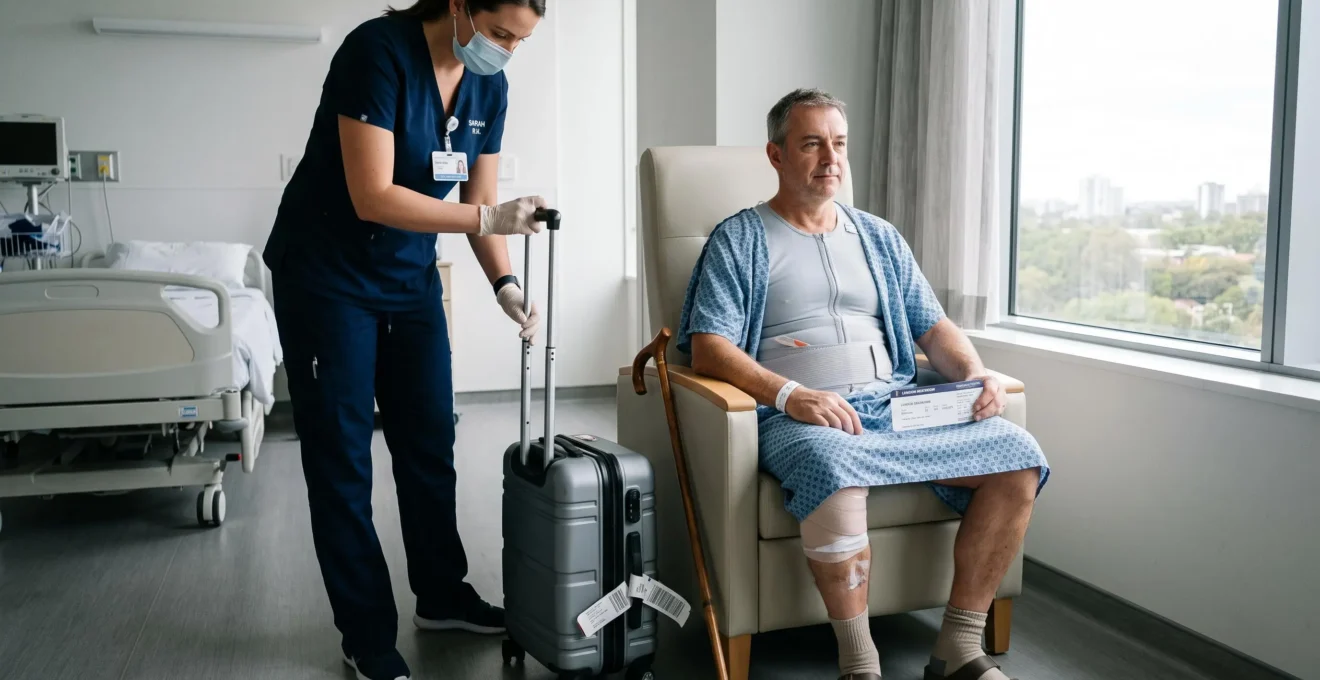
Traveling abroad for surgery often means focusing on the operation itself and underestimating what comes next: the flight home and the weeks of recovery. Yet the return journey is a medical event in its own right, with waiting times, documents and precautions that must be prepared before you ever leave your home country. A safe return is planned before the operation, not improvised in the clinic lobby.
This guide walks you through the key questions: when a flight home becomes safe, how to organize rehabilitation and follow-up at a distance, which in-flight precautions matter, and what a well-structured medical stay should cover from arrival to departure. Each timeframe mentioned here is a general reference point, not a personal clearance. Only your surgeon can confirm when you are fit to fly.
Key takeaways for planning your return home
- Safe flight timing depends on the type of procedure and your surgeon’s clearance, not a universal rule.
- Rehabilitation and remote follow-up should be organized before the operation, with your home doctor informed in advance.
- In-flight precautions such as ambulation and compression stockings help reduce the risk of blood clots.
- A coordinated medical stay covers transfers, convalescent accommodation and the handover of care to your local physician.
- Carry complete medical records, prescriptions and follow-up appointments confirmed before departure.
How long after surgery can you safely fly home?
Direct answer: There is no single waiting time. Safe flight delays range from about 24 hours after a straightforward laparoscopic procedure to one to two weeks or more after open abdominal, thoracic or major orthopedic surgery, and only your surgeon can confirm your personal clearance.
The waiting time before boarding a plane depends on three factors: the type of surgery performed, your individual recovery, and the formal approval of the surgical team. Cabin pressure, immobility and limited medical resources in flight all add stress to a healing body, which is why procedure-specific guidelines exist. Peer-reviewed guidance published in American Family Physician on commercial air travel summarizes Aerospace Medical Association recommendations: around 24 hours after laparoscopic abdominal procedures once bloating resolves, one to two weeks after open abdominal surgery, and about ten days after coronary bypass surgery.
For chest-related procedures, delays are typically longer because of the risk of air trapped in body cavities expanding at altitude. A review in CHEST Journal on air travel and pneumothorax notes that guidelines suggest waiting two to three weeks after uncomplicated thoracic surgery or the resolution of a pneumothorax. These are indicative ranges only: an uncomplicated recovery can shorten them, while complications can extend them substantially.
If you are considering a structured international pathway, specialized medical and health tourism providers can help coordinate the timing of your return flight with the surgical team’s post-operative assessment, so the trip home is scheduled around medical clearance rather than a pre-booked ticket.
Why does the type of procedure change the waiting time?
Different surgeries affect different physiological systems. Procedures that involve the thorax or abdomen can leave residual gas or fragile tissues that react poorly to pressure changes. Orthopedic surgery with reduced mobility raises the risk of venous thromboembolism, which is already higher during long flights. Minor outpatient interventions, by contrast, often require only a short recovery window before travel.
To illustrate the gap: a patient who undergoes a short laparoscopic procedure may be cleared to fly home within a day or two, provided symptoms are controlled. A patient recovering from open abdominal or major orthopedic surgery may need to stay close to the clinic for one to several weeks before a long-haul flight is medically reasonable. These scenarios are plausible examples and must be validated with the surgeon who performed the operation.
Clearance is personal, not procedural: Published timeframes are reference ranges. Fever, drainage issues, uncontrolled pain or any complication can push the safe flight date further and require a new medical assessment.
Planning your post-operative rehabilitation before you travel
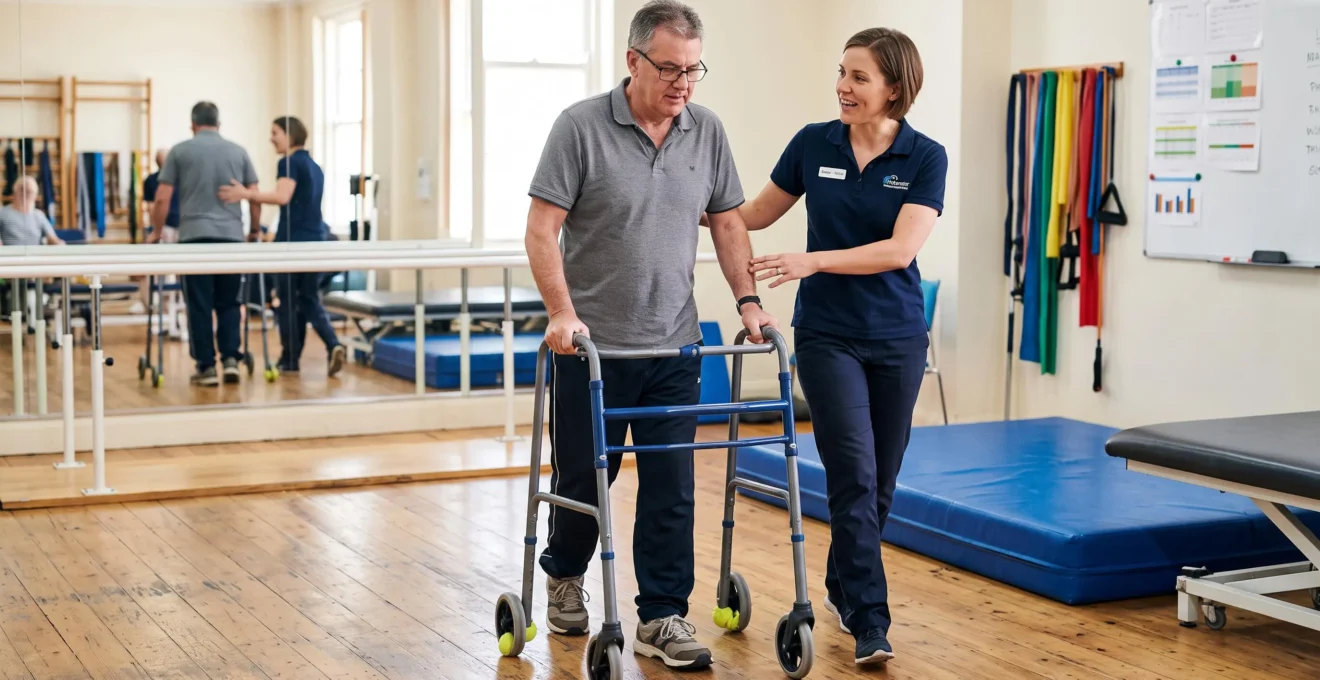
Rehabilitation planning begins before the operation, not after. Once you are discharged in a foreign country, improvising a follow-up chain across borders is risky and often expensive. The goal is to leave the clinic abroad with a clear roadmap: who does what, when, and with which documents.
Three practical steps make the difference. First, agree on a rehabilitation calendar with the surgeon during the pre-operative consultation, including expected milestones and the first sessions on site. Second, identify in advance the healthcare professional in your home country who will take over the follow-up: your general practitioner, a specialist, or a physiotherapist. Third, prepare the transfer of information: operative reports, prescriptions, imaging and rehabilitation instructions should be sent to your home doctor before you even return.
Which documents should leave the clinic with you?
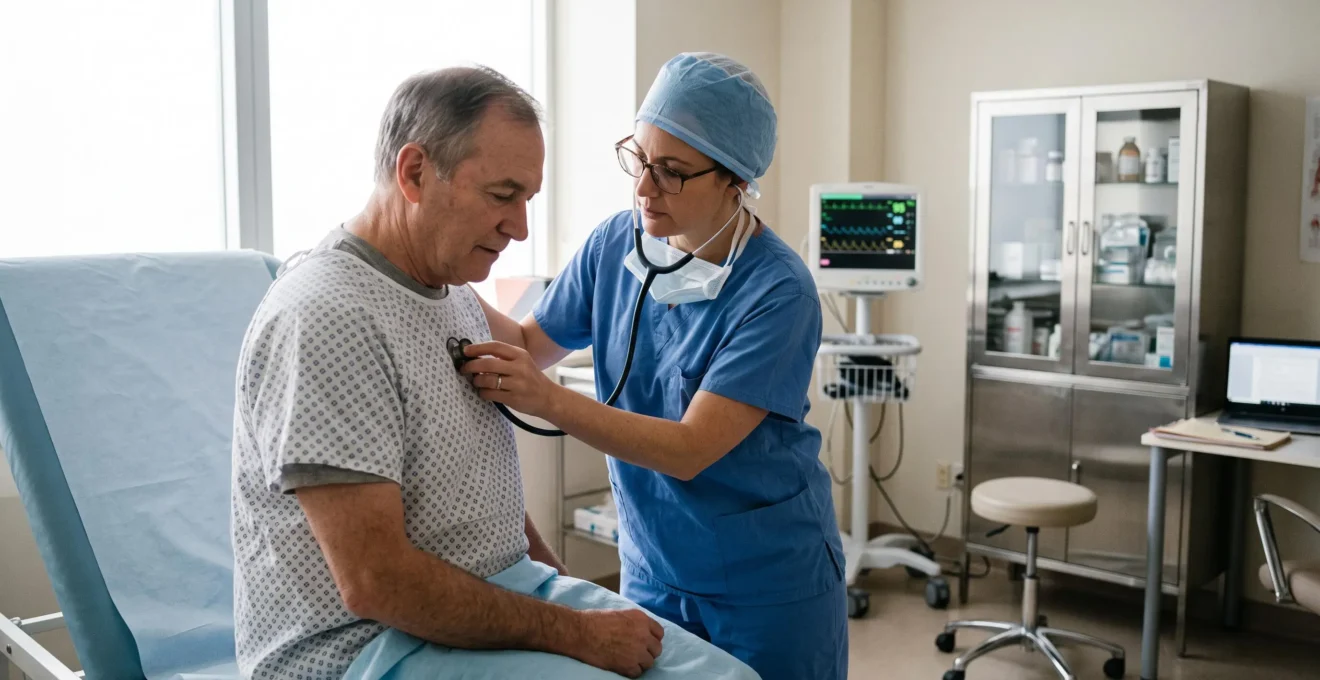
A complete medical file is the single most important asset for continuity of care. At minimum, request a detailed operative report, a discharge summary, a list of current medications with dosages, any imaging performed, and written rehabilitation instructions. Ask for these documents in English or in a language your home doctor can read, and keep both digital and printed copies.
Teleconsultation with the operating clinic is a useful bridge during the first weeks at home. It allows the surgical team to review wound photos, assess symptoms and adjust instructions remotely while your local physician handles in-person check-ups. Confirm before departure how these remote appointments will be organized, who initiates them, and how urgent questions will be handled outside scheduled slots.
Cas pratique
A patient scheduled for orthopedic surgery abroad meets his home physiotherapist four weeks before departure to agree on a post-operative plan. He undergoes the procedure, completes the first ten days of rehabilitation on site under the clinic’s physiotherapy team, then flies home once his surgeon confirms he is fit to travel. On arrival, his medical file is already in the hands of his GP and physiotherapist, and sessions resume within 48 hours. This is a hypothetical pathway, intended to illustrate planning principles rather than describe a specific individual.
What precautions make travel after surgery safer?
Once your surgeon has cleared you, the flight itself must be managed carefully. The main concern is venous thromboembolism, a risk already present on long flights and amplified by recent surgery. Simple, well-documented measures significantly reduce this risk when applied consistently.
According to the CDC guidance on DVT prevention during travel, frequent ambulation, calf muscle exercises and sitting in an aisle seat are suggested for travelers at increased risk of blood clots, along with properly fitted graduated compression stockings when medically indicated. Routine use of aspirin or anticoagulants is not generally recommended and should only be considered after individual medical assessment.
- Move regularlyStand up and walk the aisle every one to two hours when safe to do so, and perform seated calf exercises between movements.
- Wear compression stockings if advisedGraduated compression stockings should be fitted and recommended by a clinician, not chosen at random.
- Stay hydratedDrink water regularly and avoid alcohol and excessive caffeine, which contribute to dehydration.
- Choose your flight carefullyDepending on fatigue and medical status, discuss with your surgeon whether a direct flight, a stopover or a shorter route home is preferable.
- Carry essentials in the cabinKeep medications, medical reports, prescriptions and a fit-to-fly certificate if issued in your hand luggage.
Long-haul flights concentrate more risk than short regional hops because immobility lasts longer and cabin pressure acts over more hours. If you have had major surgery, your clinician may suggest breaking a long journey into two segments, upgrading to a seat with more legroom, or requesting airport assistance to limit walking distances through terminals.
Organizing a seamless medical stay from arrival to return
A well-structured medical stay removes avoidable risks by coordinating each step: airport transfer, accommodation suited to convalescence, communication with the clinic, and the organization of the return flight based on medical clearance. The question is not whether you can manage all this alone, but whether a coordinated setup gives your recovery more margin for the unexpected.
A reliable coordination service typically covers transfers between airport, hotel and clinic, accommodation adapted to post-operative mobility, interpretation if needed, scheduling of consultations and physiotherapy sessions, and a direct liaison with the surgical team. For the return journey, it should also arrange the transfer to the airport only after the surgeon validates travel, and ensure that your home doctor receives the medical file before you land.
Organized support vs independent travel
- Transfers and accommodation adapted to recovery.
- Single point of contact between you, the clinic and your home doctor.
- Return flight planned around medical clearance, not fixed in advance.
- Easier handling of unexpected complications or extended stays.
- Scope of medical responsibility: coordination is not medical practice.
- Transparency on what is included and what remains at your charge.
- Procedures in case of complications or changed flight dates.
- Written agreements on data sharing with your home physician.

Checklist for a safe return home after your operation
The last 48 hours before departure are where plans either hold together or fall apart. Use this checklist as a final verification before leaving the clinic, and adapt it with your surgeon depending on your procedure and personal risk factors.
- Medical clearance from the surgeon for the specific flight date and route planned.
- Written fit-to-fly certificate if required by the airline or if your recovery justifies it.
- Complete medical file: operative report, discharge summary, imaging, prescriptions and rehabilitation instructions.
- Enough medication for the journey and the first days at home, in original packaging with prescriptions in hand luggage.
- Follow-up appointments confirmed with your home GP, specialist or physiotherapist before departure.
- Teleconsultation slot booked with the operating clinic for the first post-return check-in.
- Compression stockings fitted and worn if medically recommended.
- Airport assistance requested if walking or lifting luggage is restricted.
- Emergency contacts: clinic abroad, home doctor and insurance available on your phone.
How soon can I fly after a laparoscopic abdominal procedure?
Peer-reviewed guidance based on Aerospace Medical Association recommendations suggests waiting around 24 hours after a laparoscopic abdominal procedure, provided bloating has resolved and no complications have appeared. Open abdominal surgery usually requires one to two weeks. Your surgeon’s assessment remains the deciding factor.
How do I arrange remote follow-up with my home doctor after surgery abroad?
Inform your home doctor before travelling, agree on who will take over the follow-up, and ask the clinic abroad to send operative reports and discharge summaries directly to them. Schedule a teleconsultation with the operating surgical team for the days following your return, and a face-to-face consultation at home within the first week.
What in-flight precautions help prevent complications after surgery?
Regular movement, calf exercises, hydration and compression stockings when clinically indicated are standard measures to reduce the risk of blood clots during long flights, as summarized in CDC travel medicine guidance. Any decision about medication such as anticoagulants should come from a clinician, not a general rule.
Should I organize follow-up through a provider or on my own?
Both options can work. A coordinated provider reduces logistical risk, keeps a single thread of communication between clinic and home doctor, and adapts the return flight to medical clearance. An independent setup is possible but requires strong personal organization and direct relationships with each party involved.
Planning your return home with the same care you devoted to choosing your surgeon is what turns an operation abroad into a safe, continuous episode of care. When you are ready to map out your pathway, speak with a specialized coordinator who can align medical timelines, travel logistics and the handover to your home physician.