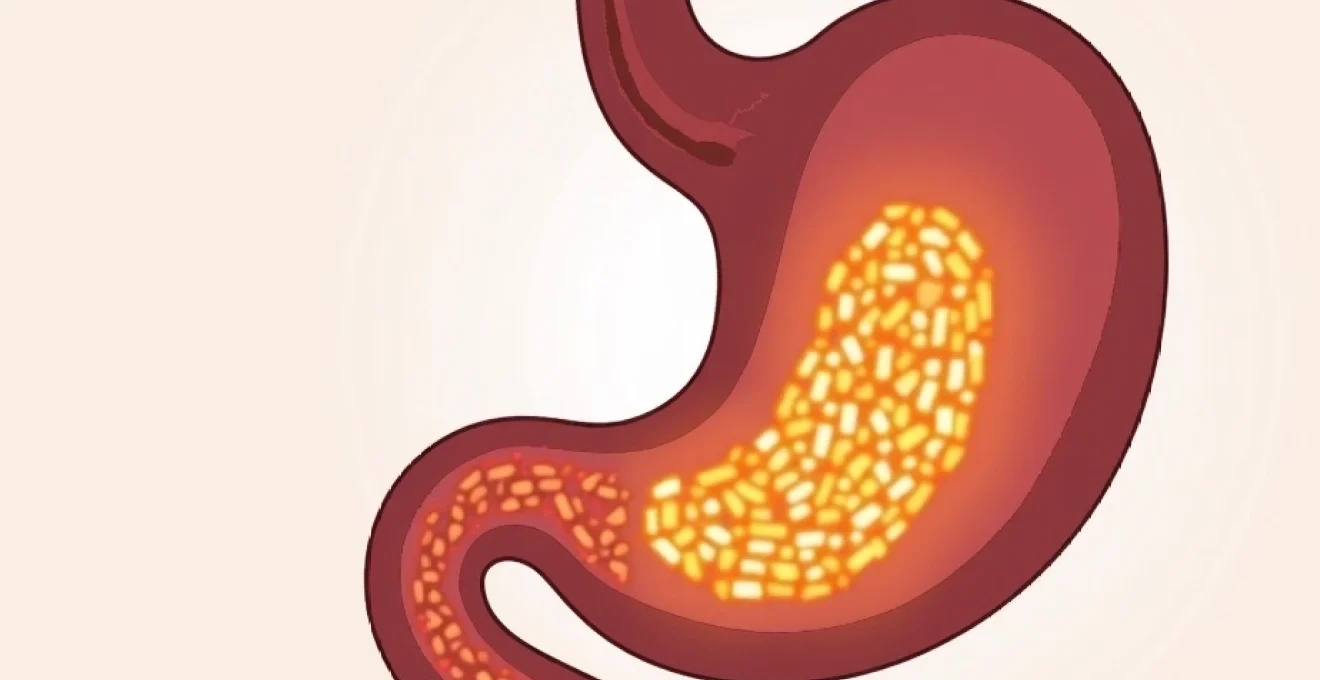
The mysterious fluttering sensation in the upper abdomen affects millions of people worldwide, creating a peculiar feeling that can range from mildly uncomfortable to genuinely concerning. This distinctive symptom, characterised by rhythmic pulsations or wave-like movements beneath the ribcage, often leaves patients questioning whether they’re experiencing a serious medical condition or simply a benign physiological response. Understanding the complex interplay between gastroenterological anatomy, neurological pathways, and various pathological processes becomes essential for both healthcare professionals and individuals experiencing these sensations.
Epigastric flutter sensations represent a fascinating convergence of visceral perception and autonomic nervous system activity, where multiple organ systems communicate through intricate neural networks. The upper abdomen houses critical structures including the stomach, liver, gallbladder, pancreas, and portions of the small intestine, all of which contribute to the complex sensory experience we interpret as fluttering or pulsating movements.
Gastroenterological anatomy and physiology of upper abdominal flutter sensations
Visceral innervation patterns in the epigastric region
The epigastric region receives its sensory innervation through a complex network of sympathetic, parasympathetic, and enteric nervous system components. The celiac plexus serves as the primary autonomic hub, distributing nerve fibres to the stomach, liver, pancreas, and proximal duodenum. These visceral afferent fibres carry sensory information from mechanoreceptors, chemoreceptors, and nociceptors embedded within the organ walls, transmitting signals that can be interpreted as fluttering sensations when abnormal patterns of activation occur.
Sympathetic innervation originates from the thoracic splanchnic nerves (T5-T12), while parasympathetic supply comes predominantly from the vagus nerve. The intricate interplay between these systems creates a dynamic sensory environment where even subtle changes in neural firing patterns can generate perceptible abdominal sensations. When you consider that visceral pain and discomfort often present as poorly localised, diffuse sensations, it becomes clear why epigastric flutter can be challenging to diagnose accurately.
Autonomic nervous system response to gastric distension
Gastric distension triggers a cascade of autonomic responses that can manifest as fluttering sensations in susceptible individuals. As the stomach wall stretches during meals or due to gas accumulation, mechanoreceptors embedded in the gastric fundus and antrum respond by increasing their firing rate. This heightened neural activity travels through the vagal pathways to the nucleus tractus solitarius in the medulla, where integration with other autonomic signals occurs.
The resulting autonomic response involves coordinated changes in gastric motility, secretion, and vascular tone. When this normal physiological process becomes dysregulated, patients may experience abnormal sensations including rhythmic contractions, pulsating feelings, or wave-like movements in the upper abdomen. Research indicates that individuals with heightened visceral sensitivity are particularly prone to perceiving these normally subliminal autonomic fluctuations as uncomfortable flutter sensations.
Mechanoreceptor activation in the fundus and antrum
The gastric fundus and antrum contain distinct populations of mechanoreceptors that respond differently to various stimuli, contributing to the diverse presentations of abdominal flutter sensations. Fundal mechanoreceptors primarily detect changes in gastric volume and wall tension, while antral mechanoreceptors are more sensitive to contractile activity and peristaltic waves. This anatomical specialisation explains why patients often describe their symptoms with varying characteristics – some report gentle, wave-like sensations, while others experience more pronounced, rhythmic contractions.
Dysfunction in mechanoreceptor sensitivity can result from various factors including chronic inflammation, previous surgical interventions, or metabolic disorders affecting nerve function. When mechanoreceptors become hypersensitive, normal gastric processes such as peristaltic contractions or accommodation responses may be perceived as abnormal fluttering sensations, leading patients to seek medical evaluation for what might otherwise be considered normal physiological activity.
Vagal nerve pathway transmission to medullary centres
The vagus nerve serves as the primary conduit for transmitting sensory information from the upper gastrointestinal tract to the central nervous system. This bilateral cranial nerve carries both afferent sensory fibres and efferent motor fibres, creating a bidirectional communication pathway between the brain and the abdominal organs. When vagal function becomes compromised or hypersensitive, patients may experience altered perception of normal gastric activity, including the development of flutter sensations.
Vagal afferent signals terminate in the nucleus tractus solitarius, where they undergo initial processing before being relayed to higher cortical centres for conscious perception. The efficiency of this transmission pathway can be influenced by factors such as stress, hormonal fluctuations, and inflammatory mediators, all of which may contribute to the development or exacerbation of abdominal flutter symptoms. Understanding these pathways helps explain why stress reduction techniques and vagal stimulation therapies can sometimes provide relief for patients experiencing chronic epigastric sensations.
Primary pathophysiological mechanisms behind epigastric flutter
Gastric dysmotility and altered peristaltic contractions
Gastric dysmotility represents one of the most common underlying mechanisms responsible for epigastric flutter sensations. Normal gastric motility follows a predictable pattern of antral contractions that propel food content towards the duodenum in coordinated waves. When this intricate process becomes disrupted, patients may experience abnormal contractile patterns that manifest as fluttering, churning, or pulsating sensations in the upper abdomen.
The migrating motor complex, a pattern of electrical and mechanical activity that occurs during fasting periods, can also contribute to flutter sensations when functioning abnormally. These powerful contractions, often described as “housekeeper waves,” normally sweep through the stomach every 90-120 minutes to clear residual food particles and debris. When the timing, intensity, or coordination of these contractions becomes altered, patients may perceive them as uncomfortable fluttering episodes that seem to occur spontaneously.
Gastroparesis-induced sensory dysfunction
Gastroparesis, characterised by delayed gastric emptying without mechanical obstruction, frequently presents with epigastric flutter sensations alongside more classic symptoms such as nausea, vomiting, and early satiety. The condition results from dysfunction of the enteric nervous system, particularly affecting the interstitial cells of Cajal that serve as gastric pacemakers. When these specialised cells fail to generate normal electrical rhythms, the resulting irregular contractions can create the perception of fluttering or spasmodic movements.
Diabetic gastroparesis, one of the most common forms of this condition, demonstrates how metabolic disorders can directly impact gastric sensory function. Chronic hyperglycemia damages both the vagus nerve and enteric nervous system components, leading to unpredictable gastric motor patterns. Patients with diabetic gastroparesis often describe their flutter sensations as becoming more pronounced during periods of poor glycemic control, highlighting the connection between metabolic stability and gastric sensory perception.
Functional dyspepsia and visceral hypersensitivity
Functional dyspepsia represents a complex disorder where patients experience persistent upper abdominal symptoms without identifiable structural abnormalities on routine diagnostic testing. Central to this condition is the concept of visceral hypersensitivity , where normal physiological processes are perceived as uncomfortable or abnormal sensations. The flutter sensations experienced by these patients often result from heightened awareness of routine gastric activity rather than actual pathological changes in organ function.
The pathophysiology of functional dyspepsia involves alterations in both peripheral sensory processing and central pain modulation pathways. Patients with this condition demonstrate increased sensitivity to gastric distension, chemical stimuli, and mechanical pressure compared to healthy individuals. This hypersensitivity can transform normally imperceptible gastric contractions into noticeable flutter sensations, creating a cycle where increased attention to symptoms further amplifies their perceived intensity.
Delayed gastric emptying and accommodation disorders
Gastric accommodation refers to the stomach’s ability to relax and expand in response to food intake, allowing for comfortable meal consumption without excessive pressure increases. When accommodation becomes impaired, patients may experience premature satiety, bloating, and flutter sensations as the stomach struggles to adapt to its contents. This dysfunction can result from various causes including previous surgical interventions, chronic inflammation, or neurological disorders affecting vagal function.
Delayed gastric emptying often coexists with accommodation disorders, creating a complex symptom profile that includes epigastric flutter sensations. As food remains in the stomach for extended periods, abnormal contractile patterns develop as the organ attempts to process its contents. These irregular contractions, combined with increased intragastric pressure and altered mechanoreceptor activation, contribute to the development of the characteristic fluttering sensations that many patients find distressing and difficult to describe accurately.
Differential diagnosis of upper abdominal fluttering sensations
Gastroesophageal reflux disease with oesophageal spasm
Gastroesophageal reflux disease (GERD) can present with epigastric flutter sensations, particularly when accompanied by oesophageal spasm or abnormal motility patterns. The lower oesophageal sphincter’s dysfunction allows gastric acid to reflux into the oesophagus, triggering inflammatory responses and altered neural signalling that can be perceived as fluttering or spasmodic sensations in the epigastric region. Oesophageal spasms, whether diffuse or nutcracker-type, create powerful contractions that patients often describe as flutter-like movements radiating from the chest to the upper abdomen.
The relationship between GERD and abdominal flutter sensations becomes particularly complex when considering the shared neural pathways between the oesophagus and stomach. Vagal stimulation from acid exposure can trigger reflex changes in gastric motility, creating secondary flutter sensations that may be mistakenly attributed to primary gastric dysfunction. Patients with GERD-related flutter symptoms often report worsening sensations after meals, when lying flat, or during periods of increased stress, providing important diagnostic clues for healthcare providers.
Peptic ulcer disease and helicobacter pylori complications
Peptic ulcer disease, particularly when associated with Helicobacter pylori infection, can manifest with epigastric flutter sensations due to altered gastric motility and increased inflammatory mediator release. The presence of ulcerative lesions in the gastric or duodenal mucosa disrupts normal mechanoreceptor function and can trigger abnormal contractile responses as the stomach attempts to protect the damaged tissue. Inflammatory cytokines released in response to H. pylori colonisation further contribute to neural sensitisation and altered pain processing pathways.
The cyclical nature of peptic ulcer symptoms often correlates with the timing and intensity of flutter sensations experienced by patients. During active ulcerative phases, increased gastric acid production and mucosal inflammation can heighten sensitivity to normal gastric contractions, making them perceptible as uncomfortable fluttering movements. Successful eradication of H. pylori infection frequently results in resolution of both ulcer symptoms and associated flutter sensations, supporting the connection between bacterial infection and altered gastric sensory function.
Biliary dyskinesia and sphincter of oddi dysfunction
Biliary dyskinesia and sphincter of Oddi dysfunction represent important differential diagnoses for patients presenting with epigastric flutter sensations, particularly when symptoms occur in relation to fatty meal consumption. These conditions involve abnormal contractile patterns in the biliary system that can create rhythmic, spasmodic sensations in the right upper quadrant that may be perceived as generalised epigastric flutter. The close anatomical proximity and shared neural innervation between the biliary system and stomach explain why these conditions can produce similar symptom profiles.
Sphincter of Oddi dysfunction specifically involves abnormal pressures and contractions at the junction between the common bile duct and duodenum. When this muscular valve fails to relax appropriately or exhibits excessive contractile activity, patients may experience wave-like sensations that radiate across the upper abdomen. These episodes often correlate with meal timing and can be accompanied by transient elevations in liver enzymes or pancreatic enzymes, providing objective evidence of biliary system dysfunction.
Pancreatic enzyme insufficiency and chronic pancreatitis
Chronic pancreatitis and pancreatic enzyme insufficiency can contribute to epigastric flutter sensations through multiple mechanisms involving both digestive dysfunction and altered neural signalling. As pancreatic tissue becomes fibrotic and enzyme production declines, normal digestive processes become impaired, leading to malabsorption and altered gastrointestinal motility patterns. The resulting changes in gastric emptying and small bowel transit can create abnormal contractile patterns that manifest as flutter sensations in the epigastric region.
The inflammatory processes associated with chronic pancreatitis can also directly affect the neural networks surrounding the pancreas, including components of the celiac plexus that provide sensory innervation to the upper abdomen. This neuroinflammation can sensitise pain pathways and alter the perception of normal physiological processes, transforming routine digestive activity into noticeable and sometimes uncomfortable flutter sensations. Patients with pancreatic insufficiency often report that their symptoms correlate with meal consumption and improve with pancreatic enzyme replacement therapy.
Cardiac arrhythmias presenting as epigastric symptoms
Cardiac arrhythmias, particularly those involving the lower portions of the heart, can occasionally present with epigastric flutter sensations due to the shared embryological origins and neural connections between cardiac and upper abdominal structures. Atrial fibrillation, premature ventricular contractions, and other rhythm disturbances can create pulsatile sensations that patients localise to the upper abdomen rather than the chest. This phenomenon, known as cardiac referred sensation, occurs because visceral afferent fibres from both the heart and upper gastrointestinal tract converge on similar spinal cord segments.
The diagnostic challenge becomes particularly complex when cardiac arrhythmias occur intermittently and coincide with meals or digestive processes. Vagal stimulation from gastric distension can trigger cardiac rhythm changes in susceptible individuals, creating a temporal relationship between eating and flutter sensations that might suggest a primary gastrointestinal cause. Careful correlation of symptoms with cardiac monitoring and consideration of cardiovascular risk factors becomes essential for accurate diagnosis and appropriate treatment planning.
The complexity of upper abdominal flutter sensations requires a systematic approach to differential diagnosis, considering the interconnected nature of multiple organ systems and their shared neural pathways.
Advanced diagnostic modalities for flutter sensation assessment
Modern diagnostic approaches for evaluating epigastric flutter sensations have evolved significantly with the development of advanced imaging technologies and functional assessment techniques. High-resolution manometry now allows precise measurement of gastric pressure patterns and contractile sequences, providing objective data about the mechanical processes underlying patient symptoms. This technology can identify subtle abnormalities in gastric accommodation, antral contractility, and coordination between different gastric regions that might not be apparent on conventional imaging studies.
Gastric emptying scintigraphy remains the gold standard for assessing gastric motility dysfunction, offering quantitative measurements of food transit through the stomach over time. When combined with symptom correlation studies, this technique can help establish whether flutter sensations correlate with specific phases of gastric emptying or occur independently of mechanical dysfunction. Recent advances in wireless motility capsule technology provide additional insights into small bowel transit patterns and pH changes that might contribute to symptom development.
Electrogastrography represents another valuable diagnostic tool for evaluating the electrical activity underlying gastric contractions. This non-invasive technique records the slow-wave electrical rhythms that coordinate gastric motility, allowing identification of dysrhythmias that might correlate with flutter sensations. Abnormal electrogastrographic patterns, such as tachygastria or bradygastria, can provide objective evidence of gastric electrical dysfunction even when conventional imaging studies appear normal.
Advanced cross-sectional imaging techniques, including magnetic resonance imaging with motility sequences and dynamic computed tomography, offer detailed visualisation of gastric wall movement and luminal contents during various digestive phases. These studies can reveal structural abnormalities, inflammation patterns, or mechanical obstructions that might contribute to abnormal gastric sensations. The integration of functional and anatomical imaging data provides a comprehensive assessment framework for patients with complex symptom presentations.
Evidence-based treatment protocols and pharmacological interventions
Treatment approaches for epigastric flutter sensations must be tailored to the
underlying pathophysiology and individual patient characteristics. Prokinetic agents such as metoclopramide and domperidone represent first-line pharmacological interventions for patients with documented gastric dysmotility underlying their flutter sensations. These medications enhance gastric contractility and accelerate emptying by blocking dopamine receptors and increasing acetylcholine release at the gastroduodenal junction.
For patients with functional dyspepsia and visceral hypersensitivity, tricyclic antidepressants at low doses (10-25mg daily) have demonstrated significant efficacy in reducing symptom intensity and frequency. Amitriptyline and nortriptyline work through multiple mechanisms including central pain modulation, anticholinergic effects on gastric motility, and direct effects on visceral afferent pathways. The therapeutic response typically develops over 4-6 weeks, requiring patient education about the delayed onset of benefits.
Histamine-2 receptor antagonists and proton pump inhibitors play crucial roles when gastroesophageal reflux contributes to epigastric flutter sensations. These medications reduce gastric acid production, minimising oesophageal irritation and secondary reflex changes in gastric motility. Recent evidence suggests that proton pump inhibitors may also have direct effects on gastric mechanoreceptor sensitivity, providing benefits beyond simple acid suppression.
Antiemetic medications, particularly ondansetron and granisetron, can provide symptomatic relief for patients experiencing flutter sensations accompanied by nausea or gastroparesis symptoms. These 5-HT3 receptor antagonists work both centrally and peripherally to reduce symptom intensity and improve functional capacity. The dosing regimens must be carefully tailored to avoid potential cardiac conduction effects associated with these medications.
Newer therapeutic approaches include ghrelin receptor agonists such as relamorelin, which stimulate gastric motility through novel pathways independent of traditional cholinergic mechanisms. Clinical trials demonstrate promising results for patients with gastroparesis-related symptoms, including reduction in flutter sensations and improvement in gastric emptying parameters. These medications represent an important advancement for patients who fail to respond to conventional prokinetic therapy.
Dietary modifications form an essential component of comprehensive treatment protocols, with small, frequent meals and reduced fat content helping to minimise gastric distension and abnormal contractile responses. Liquid nutrient supplements may be necessary for patients with severe gastroparesis, providing adequate nutrition while reducing the mechanical stimuli that trigger flutter sensations. Collaboration with registered dietitians ensures optimal nutritional outcomes while managing symptom triggers.
Prognosis and long-term management strategies for chronic cases
The prognosis for patients experiencing chronic epigastric flutter sensations varies significantly depending on the underlying aetiology and response to initial therapeutic interventions. Functional disorders such as functional dyspepsia typically follow a chronic, intermittent course with periods of symptom exacerbation and remission. Studies indicate that approximately 60-70% of patients achieve meaningful symptom improvement with appropriate treatment, though complete resolution may be challenging to attain in cases involving significant visceral hypersensitivity.
Patients with gastroparesis secondary to diabetes mellitus face more complex prognostic considerations, as symptom severity often correlates with overall glycaemic control and the progression of diabetic complications. Long-term management requires multidisciplinary coordination between gastroenterologists, endocrinologists, and diabetes educators to optimise both metabolic parameters and gastric function. Regular monitoring of HbA1c levels and adjustment of diabetes medications can significantly impact the trajectory of gastroparesis symptoms, including flutter sensations.
Psychological factors play an increasingly recognised role in long-term outcomes, with anxiety, depression, and catastrophic thinking patterns contributing to symptom persistence and treatment resistance. Cognitive behavioural therapy and stress reduction techniques demonstrate measurable benefits in clinical trials, particularly when integrated with conventional medical therapy. The bidirectional relationship between psychological distress and gastrointestinal symptoms necessitates comprehensive approaches that address both physiological dysfunction and emotional well-being.
Emerging therapeutic modalities offer hope for patients with refractory symptoms who fail to respond to conventional treatments. Gastric electrical stimulation, while still considered investigational for most indications, shows promise for selected patients with severe gastroparesis and intractable symptoms. Clinical trials investigating novel prokinetic agents, including motilin receptor agonists and 5-HT4 receptor agonists, may expand therapeutic options for challenging cases in the coming years.
Long-term monitoring strategies should include periodic reassessment of symptom severity using validated questionnaires, evaluation of nutritional status, and surveillance for complications related to underlying conditions. Patients with chronic flutter sensations require education about symptom management techniques, recognition of warning signs that warrant urgent medical attention, and strategies for maintaining quality of life during symptomatic periods. The development of personalised treatment plans that incorporate patient preferences and lifestyle factors enhances long-term adherence and outcomes.
Quality of life considerations become paramount in patients with persistent symptoms despite optimal medical therapy. Support groups, patient education resources, and connections with others experiencing similar symptoms can provide valuable psychological support and practical coping strategies. Healthcare providers should maintain realistic expectations while continuing to explore new therapeutic options as they become available, ensuring that patients remain engaged in their care and hopeful about potential improvements.
The successful management of chronic epigastric flutter sensations requires a patient-centred approach that combines evidence-based medical therapy with comprehensive support for the psychological and social impacts of persistent gastrointestinal symptoms.