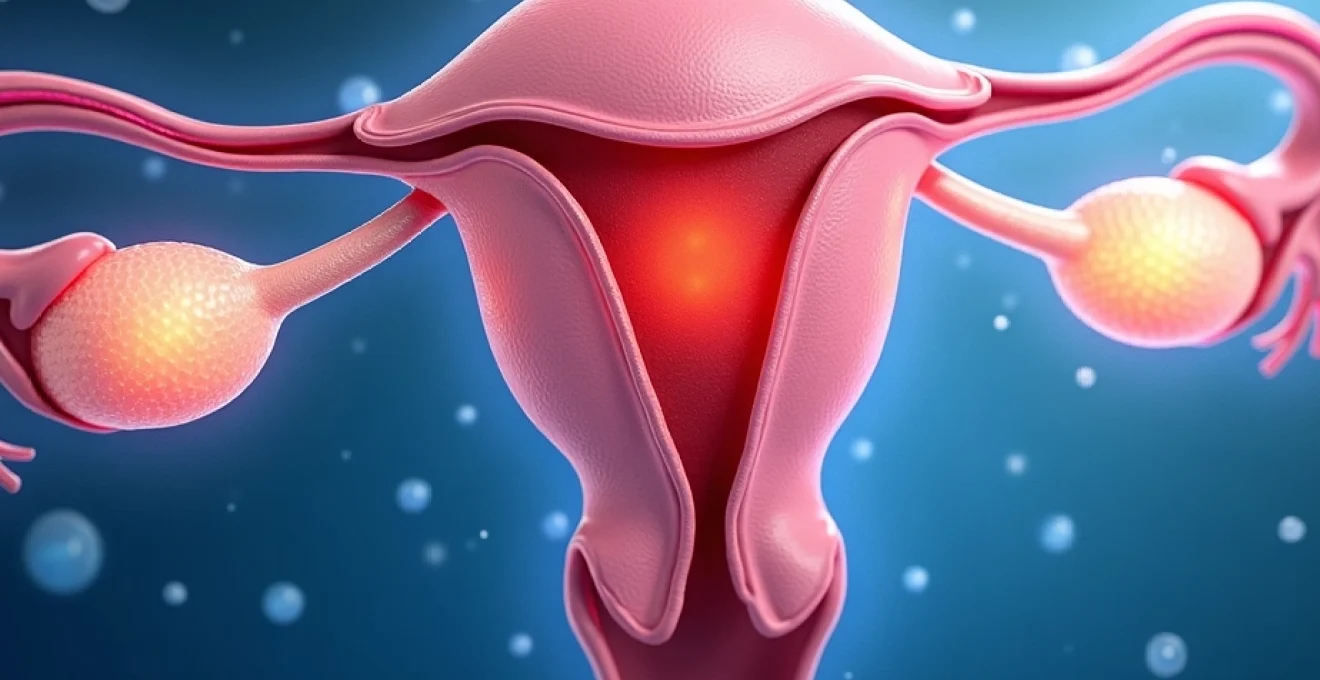
Free fluid in the female pelvis represents one of the most frequently encountered findings on gynaecological imaging, yet its clinical significance varies dramatically depending on the underlying cause and quantity present. This phenomenon occurs when fluid accumulates within the peritoneal cavity surrounding the reproductive organs, creating a complex diagnostic challenge that requires careful evaluation of both physiological and pathological processes. The presence of pelvic free fluid can range from completely normal physiological occurrences, such as those associated with ovulation, to serious medical emergencies requiring immediate intervention, including ectopic pregnancy rupture or malignant ascites.
Understanding the mechanisms behind free fluid accumulation becomes crucial for healthcare providers attempting to differentiate between benign and concerning presentations. The female pelvis contains multiple organs capable of producing fluid through various biological processes, including follicular rupture, inflammatory responses, and vascular permeability changes. Modern diagnostic imaging techniques have revolutionised our ability to detect and characterise these fluid collections, providing valuable insights into their origin and clinical significance. Recent advances in ultrasound technology and magnetic resonance imaging have enhanced precision in identifying the source and composition of pelvic free fluid, enabling more targeted treatment approaches.
Physiological mechanisms behind free fluid accumulation in the female pelvis
Peritoneal fluid production and reabsorption dynamics
The peritoneal cavity maintains a delicate balance between fluid production and reabsorption, with normal physiological processes contributing to baseline fluid levels throughout the menstrual cycle. Mesothelial cells lining the peritoneum continuously produce small amounts of fluid that facilitate organ movement and reduce friction between adjacent structures. This production occurs at an estimated rate of 50-100 millilitres per day under normal circumstances, with reabsorption primarily occurring through lymphatic channels and venous drainage systems.
The lymphatic system plays a pivotal role in maintaining fluid homeostasis within the pelvic cavity, with specialised lymphatic stomata located on the diaphragmatic peritoneum providing the primary route for fluid clearance. These microscopic openings function as one-way valves, allowing fluid and particles to enter the lymphatic circulation during respiratory movements. When this delicate balance becomes disrupted, either through increased production or decreased reabsorption, free fluid accumulation becomes apparent on imaging studies.
Ovarian follicular rupture and corpus luteum formation
Ovulation represents the most common physiological cause of free fluid in the female pelvis, occurring predictably during the mid-cycle period in women with regular menstrual cycles. During follicular rupture, approximately 2-5 millilitres of follicular fluid containing the oocyte is released into the peritoneal cavity, creating a characteristic echo-free collection in the pouch of Douglas. This fluid typically appears anechoic on ultrasound examination and demonstrates no internal echoes or debris, distinguishing it from pathological fluid collections.
Following ovulation, corpus luteum formation may contribute additional fluid through increased vascular permeability and hormonal influences. The corpus luteum produces progesterone and oestrogen, which can affect capillary permeability and fluid distribution within the pelvic cavity. Research indicates that free fluid detection rates increase significantly during the luteal phase, with up to 38% of women demonstrating measurable fluid collections during this period. This physiological process typically resolves spontaneously within 24-48 hours as the fluid is reabsorbed through normal peritoneal mechanisms.
Lymphatic drainage dysfunction in pelvic cavity
Impaired lymphatic drainage represents a significant mechanism contributing to free fluid accumulation in various pathological conditions affecting the female pelvis. The pelvic lymphatic system comprises an extensive network of vessels and nodes that drain fluid from the reproductive organs, bladder, and surrounding tissues. When this system becomes compromised through infection, malignancy, or surgical intervention, fluid clearance becomes inadequate, leading to progressive accumulation.
Conditions such as pelvic inflammatory disease can cause lymphatic obstruction through inflammatory scarring and fibrosis, while malignant processes may infiltrate lymphatic channels or compress major drainage pathways. The resulting lymphatic dysfunction creates a cascading effect, where normal fluid production continues whilst clearance mechanisms become increasingly ineffective. This pathophysiology explains why certain conditions, such as ovarian carcinoma, frequently present with significant ascites formation despite initially localised disease processes.
Capillary permeability changes during menstrual cycle
Hormonal fluctuations throughout the menstrual cycle significantly influence capillary permeability within the pelvic vasculature, contributing to cyclical variations in free fluid accumulation. Oestrogen levels, which peak during the late follicular phase, increase vascular permeability through direct effects on endothelial cells and modulation of inflammatory mediators. This mechanism explains the higher incidence of free fluid detection during the periovulatory period and premenstrual phase.
Progesterone exerts opposing effects on vascular permeability, generally reducing capillary leakage during the luteal phase. However, the interplay between these hormones creates complex patterns of fluid distribution that vary among individuals. Clinical studies demonstrate that women using oral contraceptives show different patterns of free fluid accumulation compared to those with natural cycles, suggesting that exogenous hormones significantly modify these physiological processes. Understanding these cyclical variations becomes essential for accurate interpretation of imaging findings and appropriate clinical management decisions.
Pathological conditions associated with pelvic free fluid
Ovarian cyst rupture and haemorrhagic complications
Ovarian cyst rupture represents one of the most common pathological causes of free fluid in the female pelvis, occurring across all age groups but predominantly affecting women of reproductive age. Functional cysts, including follicular and corpus luteum cysts, can rupture spontaneously or following physical exertion, sexual intercourse, or pelvic examination. The resulting fluid collection may contain blood, creating a complex appearance on imaging studies that requires careful differentiation from other causes of haemoperitoneum.
Haemorrhagic ovarian cysts present particular diagnostic challenges due to their variable appearance on ultrasound examination. Fresh blood appears echogenic initially but becomes increasingly anechoic as clot lysis occurs over time. The volume of free fluid varies considerably, ranging from minimal amounts that resolve spontaneously to significant collections requiring surgical intervention. Statistics indicate that approximately 8% of ovarian cyst ruptures require emergency surgical management due to ongoing bleeding or haemodynamic instability.
Pelvic inflammatory disease and Tubo-Ovarian abscess formation
Pelvic inflammatory disease creates complex fluid collections through multiple mechanisms, including increased capillary permeability, inflammatory exudate production, and potential abscess formation. The infection typically ascends from the lower genital tract, affecting the endometrium, fallopian tubes, and ovaries progressively. As the inflammatory process intensifies, infected fluid accumulates within the pelvis, creating characteristic imaging appearances that help establish the diagnosis.
The development of tubo-ovarian abscesses represents a severe complication of pelvic inflammatory disease, with infected fluid collections requiring immediate antibiotic therapy and potential surgical drainage.
Tubo-ovarian abscesses develop in approximately 15-20% of women with severe pelvic inflammatory disease, creating complex cystic masses containing infected debris and inflammatory fluid. These collections often demonstrate thick, irregular walls and internal septations on imaging studies. The surrounding free fluid typically appears echogenic due to the presence of inflammatory cells, fibrin, and debris. Prompt recognition and treatment become crucial to prevent serious complications, including sepsis, peritonitis, and reproductive tract scarring that may lead to infertility.
Endometriotic implants and chocolate cyst leakage
Endometriosis contributes to free fluid accumulation through multiple pathways, including implant bleeding, inflammatory responses, and endometrioma rupture. Endometriotic implants undergo cyclical bleeding in response to hormonal fluctuations, depositing haemosiderin-laden fluid within the peritoneal cavity. This creates a chronic inflammatory environment that promotes adhesion formation and alters normal peritoneal fluid dynamics.
Endometriomas, commonly known as chocolate cysts, contain thick, dark fluid rich in haemosiderin and inflammatory products. When these cysts rupture, either spontaneously or during surgical manipulation, they release highly irritating contents into the peritoneal cavity. The resulting chemical peritonitis can cause severe pelvic pain and significant free fluid accumulation. Research demonstrates that endometriotic fluid exhibits distinctive biochemical markers, including elevated levels of prostaglandins and inflammatory cytokines, which contribute to the chronic pain associated with this condition.
Ectopic pregnancy and fallopian tube rupture
Ectopic pregnancy represents a life-threatening cause of free fluid accumulation that requires immediate recognition and intervention. Approximately 95% of ectopic pregnancies occur within the fallopian tube, where the developing embryo eventually outgrows the confined space, leading to tubal rupture and haemoperitoneum. The amount of free fluid correlates with the degree of bleeding and timing of presentation, ranging from minimal amounts in early cases to massive haemoperitoneum in delayed presentations.
The characteristics of free fluid in ectopic pregnancy depend on the acuity of bleeding and the presence of clot formation. Fresh blood appears echogenic on ultrasound examination, whilst older blood becomes increasingly anechoic as haemolysis occurs. The distribution pattern often shows preferential accumulation in dependent portions of the pelvis, particularly the pouch of Douglas. Clinical studies indicate that the presence of significant free fluid in women with positive pregnancy tests and pelvic pain carries a high predictive value for ectopic pregnancy, necessitating urgent surgical evaluation.
Malignant ascites from ovarian carcinoma
Ovarian carcinoma frequently presents with malignant ascites, representing one of the most serious causes of free fluid accumulation in the female pelvis. The pathophysiology involves multiple mechanisms, including increased capillary permeability from tumour-derived vascular endothelial growth factor, lymphatic obstruction from metastatic deposits, and direct peritoneal implantation. The resulting fluid typically contains malignant cells and elevated protein levels, creating a distinctive appearance on imaging studies.
Malignant ascites often demonstrates internal echoes, septations, and irregular distribution patterns that distinguish it from benign causes of free fluid. The volume tends to be substantial, frequently extending beyond the pelvis to involve the entire peritoneal cavity. Cytological examination of the fluid reveals malignant cells in approximately 60-70% of cases, providing valuable diagnostic information. The presence of malignant ascites significantly impacts prognosis and treatment planning, often indicating advanced disease requiring multimodal therapeutic approaches.
Diagnostic imaging techniques for detecting pelvic free fluid
Transvaginal ultrasound protocol and pouch of douglas assessment
Transvaginal ultrasound represents the gold standard imaging modality for detecting and characterising free fluid in the female pelvis, offering superior resolution and proximity to the organs of interest compared to transabdominal approaches. The examination protocol begins with systematic evaluation of the pouch of Douglas, the most dependent portion of the peritoneal cavity where fluid typically accumulates initially. This area appears as a potential space posterior to the uterus and anterior to the rectum, becoming visible when fluid is present.
The assessment involves multiple imaging planes and careful attention to fluid characteristics, including echogenicity, internal debris, and distribution patterns. Anechoic fluid suggests simple physiological accumulation or recent haemorrhage, whilst echogenic fluid may indicate infection, inflammation, or complex bleeding. Technical advances in ultrasound technology, including compound imaging and harmonic imaging, have improved visualisation of subtle fluid collections and enhanced characterisation of their contents. The examination should include measurement of fluid volume and documentation of any associated pelvic pathology that might explain the fluid accumulation.
CT pelvis with contrast enhancement patterns
Computed tomography provides excellent visualisation of pelvic free fluid and offers superior assessment of fluid distribution throughout the entire peritoneal cavity. The use of intravenous contrast enhancement helps differentiate fluid from other pelvic structures and may reveal enhancement patterns suggestive of inflammatory or malignant processes. Free fluid appears as low-attenuation areas that conform to the dependent portions of the pelvis and may demonstrate layering effects in cases of haemoperitoneum.
The addition of oral contrast agents can help distinguish fluid collections from bowel loops and improve overall diagnostic accuracy. CT imaging becomes particularly valuable in acute presentations where rapid diagnosis is essential, such as suspected ectopic pregnancy rupture or ovarian torsion. The technique also excels at detecting retroperitoneal fluid collections and assessing for complications such as abscess formation or bowel involvement. Recent developments in CT technology, including dual-energy imaging, provide additional characterisation capabilities that may help differentiate between different types of fluid collections.
MRI T2-Weighted sequences for fluid characterisation
Magnetic resonance imaging offers unparalleled soft tissue contrast and fluid characterisation capabilities, making it particularly valuable for complex cases where the cause of free fluid remains unclear after initial imaging. T2-weighted sequences demonstrate free fluid as high signal intensity areas that can be distinguished from surrounding pelvic structures. The technique excels at identifying subtle fluid collections and characterising their protein content and cellular composition.
Different MRI sequences provide complementary information about fluid characteristics. T1-weighted images help identify haemorrhagic components, whilst diffusion-weighted imaging can suggest inflammatory or malignant processes. The use of gadolinium contrast enhancement may reveal peritoneal thickening or enhancement patterns suggestive of malignancy. MRI becomes particularly valuable in evaluating endometriosis, where chocolate cysts demonstrate characteristic signal patterns that help establish the diagnosis. The technique also provides excellent assessment of deep infiltrating endometriosis and its relationship to surrounding structures.
Doppler ultrasound for vascular flow assessment
Doppler ultrasound techniques enhance the evaluation of pelvic free fluid by providing information about vascular flow patterns and tissue perfusion that may indicate the underlying cause. Colour Doppler imaging can demonstrate vascularity within cyst walls or masses associated with fluid accumulation, helping differentiate between benign and malignant processes. Power Doppler offers enhanced sensitivity for detecting low-flow vascular patterns that might not be visible with conventional colour Doppler techniques.
The assessment of ovarian blood flow becomes particularly important in cases of suspected torsion, where altered vascular patterns may explain fluid accumulation and guide treatment decisions. Spectral Doppler analysis provides quantitative measurements of vascular resistance that may help characterise inflammatory processes or malignant transformation. Advanced Doppler techniques , including contrast-enhanced ultrasound, offer improved visualisation of microvascular patterns and may enhance detection of subtle inflammatory changes associated with pelvic infections or endometriosis.
Clinical significance and differential diagnosis considerations
The clinical significance of free fluid in the female pelvis varies dramatically based on the quantity present, associated symptoms, and patient demographics. Small amounts of physiological fluid, typically measuring less than 10 millilitres, occur commonly during ovulation and require no intervention. However, moderate to large fluid collections, particularly when accompanied by pelvic pain, fever, or menstrual irregularities, warrant thorough investigation to exclude serious underlying pathology.
Age represents a crucial factor in determining the clinical significance of pelvic free fluid. In premenopausal women, physiological causes predominate, whilst postmenopausal women with free fluid require careful evaluation for malignancy. The timing of presentation relative to the menstrual cycle provides valuable diagnostic clues, with mid-cycle fluid suggesting ovulatory causes and premenstrual fluid potentially indicating luteal phase abnormalities. Patient history, including contraceptive use, sexual activity, and previous gynaecological procedures, significantly influences the differential diagnosis approach.
The differential diagnosis of pelvic free fluid encompasses a broad spectrum of conditions ranging from normal physiological processes to life-threatening emergencies requiring immediate intervention.
Laboratory investigations complement imaging findings in establishing the diagnosis and guiding management decisions. Pregnancy testing becomes mandatory in all women of reproductive age presenting with free fluid and pelvic pain, given the serious implications of ectopic pregnancy. Inflammatory markers, including white blood cell count and C-reactive protein levels, help identify infectious or inflammatory causes. Tumour markers such as CA-125 may be elevated in cases of ovarian malignancy, although these markers lack specificity and can be elevated in various benign conditions including endometriosis and pelvic inflammatory disease.
The distribution pattern of free fluid provides additional diagnostic information. Localised fluid collections suggest nearby pathology, such as a ruptured ovarian cyst or tubo-ovarian abscess, whilst diffuse
ascites formation extends throughout the peritoneal cavity, suggesting more systemic processes such as malignancy or liver dysfunction. The presence of loculated fluid with septations indicates inflammatory processes or infection, requiring targeted antimicrobial therapy.
Clinical correlation with physical examination findings enhances diagnostic accuracy significantly. Pelvic tenderness, particularly with cervical motion or adnexal palpation, suggests inflammatory causes such as pelvic inflammatory disease. The presence of a palpable adnexal mass with free fluid may indicate ovarian pathology, whilst the absence of a mass with significant fluid suggests either physiological causes or extraovarian pathology. Recent clinical studies demonstrate that combining imaging findings with clinical presentation achieves diagnostic accuracy rates exceeding 90% for most causes of pelvic free fluid.
Management protocols for various aetiologies of pelvic free fluid
Management approaches for pelvic free fluid vary substantially based on the underlying aetiology, volume of fluid present, and severity of associated symptoms. Conservative management remains appropriate for physiological fluid accumulation and small volume collections from benign causes, whilst urgent surgical intervention becomes necessary for life-threatening conditions such as ruptured ectopic pregnancy or haemorrhagic ovarian cyst rupture with haemodynamic compromise.
For physiological free fluid associated with ovulation, patient education and reassurance typically suffice, with follow-up imaging reserved for persistent or worsening symptoms. The natural reabsorption process usually resolves these collections within 48-72 hours without intervention. Pain management with non-steroidal anti-inflammatory drugs may provide symptomatic relief during the acute phase. Clinical protocols recommend serial monitoring for women experiencing recurrent ovulatory pain with free fluid accumulation, as this may indicate underlying conditions such as endometriosis or ovarian adhesions requiring more comprehensive evaluation.
The decision between conservative management and surgical intervention requires careful assessment of patient stability, fluid volume, and probability of serious underlying pathology.
Infectious causes of pelvic free fluid, particularly pelvic inflammatory disease with tubo-ovarian abscess formation, require immediate antibiotic therapy targeting the most likely causative organisms. Initial treatment typically involves broad-spectrum intravenous antibiotics covering anaerobic bacteria, gram-negative enteric organisms, and sexually transmitted pathogens. The duration of therapy extends to 14-21 days, with clinical response monitored through symptom resolution and inflammatory marker normalisation. Surgical drainage becomes necessary when abscesses exceed 4-5 centimetres in diameter or fail to respond to medical management within 48-72 hours.
Haemorrhagic complications from ovarian cyst rupture require individualised management based on the patient’s haemodynamic status and ongoing bleeding risk. Stable patients with minimal free fluid may be managed conservatively with serial monitoring of haemoglobin levels and symptom assessment. However, evidence of ongoing bleeding, haemodynamic instability, or significant fluid accumulation necessitates emergency surgical intervention. Laparoscopic approaches are preferred when technically feasible, offering reduced morbidity and faster recovery compared to open procedures. The surgical approach may involve ovarian cystectomy, oophorectomy, or simple haemostasis depending on the extent of ovarian damage and patient age considerations.
Malignant ascites presents complex management challenges requiring multidisciplinary approaches involving gynaecologic oncology, medical oncology, and supportive care specialties. Primary treatment focuses on addressing the underlying malignancy through cytoreductive surgery and chemotherapy protocols. Symptomatic fluid accumulation may require therapeutic paracentesis for palliation, particularly when respiratory compromise or severe abdominal distension occurs. Advanced management strategies include intraperitoneal chemotherapy delivery systems and drainage catheter placement for patients with recurrent symptomatic ascites.
Long-term prognosis and follow-up surveillance strategies
The long-term prognosis for women with pelvic free fluid depends entirely on the underlying cause and promptness of appropriate treatment initiation. Physiological fluid accumulation carries an excellent prognosis with no long-term sequelae, whilst pathological causes vary dramatically in their potential complications and impact on reproductive health. Understanding these prognostic implications helps guide counselling discussions and establishes appropriate surveillance protocols for different patient populations.
Women with recurrent ovarian cyst ruptures face increased risks of adhesion formation and chronic pelvic pain, particularly when multiple haemorrhagic episodes occur. Long-term fertility implications remain generally favourable provided ovarian tissue preservation occurs during any required surgical interventions. However, repeated inflammatory episodes may contribute to diminished ovarian reserve over time, warranting fertility assessment in women desiring future pregnancy. Longitudinal studies indicate that approximately 15% of women with recurrent functional cyst ruptures develop chronic pelvic pain syndromes requiring ongoing management.
Patients with treated pelvic inflammatory disease require careful long-term monitoring for complications including chronic pelvic pain, ectopic pregnancy risk, and infertility. The severity of initial infection correlates directly with long-term reproductive outcomes, with tubo-ovarian abscess formation carrying the highest risk of permanent tubal damage. Follow-up protocols should include annual gynaecologic examinations, screening for sexually transmitted infections, and fertility assessment when pregnancy is desired. Approximately 20% of women with severe pelvic inflammatory disease experience subsequent infertility, emphasising the importance of prevention strategies and early treatment intervention.
Long-term surveillance strategies must balance the need for early detection of recurrent disease with avoiding unnecessary anxiety and healthcare utilisation in low-risk patients.
Endometriosis patients with recurrent free fluid accumulation require specialised long-term management approaches given the chronic, progressive nature of this condition. Regular surveillance imaging helps monitor for endometrioma recurrence and assess response to hormonal suppressive therapies. The risk of malignant transformation, whilst low, necessitates careful attention to changing cyst characteristics during follow-up examinations. Fertility preservation discussions become crucial for younger women, as endometriosis progression may impact reproductive potential over time. Current guidelines recommend annual pelvic examinations with imaging surveillance every 6-12 months for women with known endometriomas.
Survivors of ectopic pregnancy require comprehensive counselling regarding future pregnancy risks and appropriate prenatal care modifications. The recurrence rate for ectopic pregnancy ranges from 7-15% depending on the underlying cause and extent of tubal damage. Early pregnancy monitoring with serial beta-hCG measurements and transvaginal ultrasound becomes standard practice for these women. Fertility assessment may be warranted if conception delays occur, particularly when tubal surgery was required during the initial ectopic pregnancy treatment.
Women with malignant causes of pelvic free fluid face variable long-term prognoses depending on tumour type, stage at diagnosis, and response to treatment. Ovarian cancer survivors require intensive surveillance protocols including regular CA-125 monitoring, imaging studies, and clinical examinations. The development of recurrent ascites often signals disease progression, necessitating modifications to treatment protocols. Quality of life considerations become paramount in advanced cases, with palliative care integration improving overall outcomes and patient satisfaction. Five-year survival rates for ovarian cancer with malignant ascites range from 20-40% depending on histological subtype and response to primary treatment.
Surveillance strategies should incorporate patient-reported outcome measures to assess symptom burden, functional capacity, and quality of life impacts. Regular monitoring helps identify complications early and enables timely intervention to prevent serious sequelae. The frequency and intensity of follow-up protocols require individualisation based on risk factors, patient preferences, and healthcare resource considerations. Effective communication between primary care providers and specialist teams ensures continuity of care and optimal long-term outcomes for all women with pelvic free fluid, regardless of underlying aetiology.