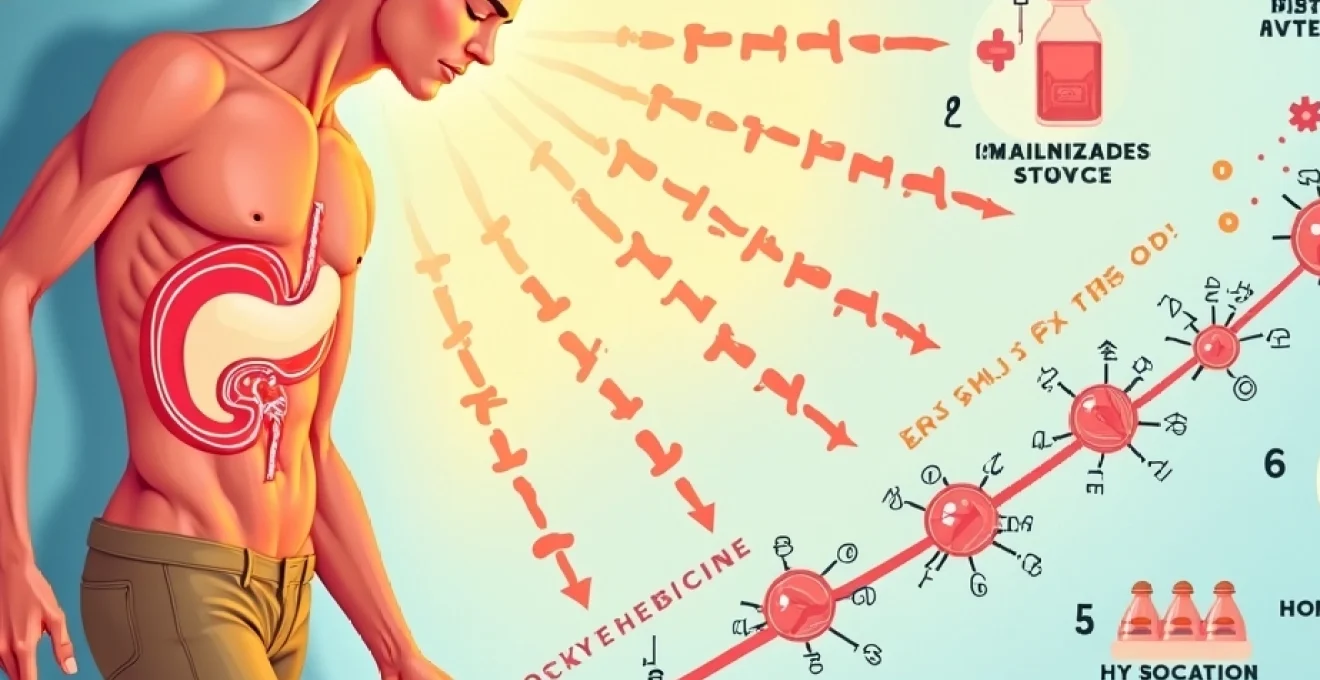
The removal of your thyroid gland through thyroidectomy represents a significant physiological shift that fundamentally alters how your body produces and regulates energy. Without this butterfly-shaped endocrine powerhouse at the base of your neck, many patients experience profound fatigue that can persist for months or even years following surgery. The challenge isn’t simply about replacing missing hormones—it’s about understanding the complex interplay between hormone replacement therapy, cellular metabolism, and the myriad factors that influence energy production at the mitochondrial level. Recovery requires a comprehensive approach that addresses not only pharmaceutical interventions but also nutritional support, exercise physiology adaptations, and sleep optimisation strategies tailored specifically for post-thyroidectomy patients.
Understanding Post-Thyroidectomy metabolic changes and fatigue mechanisms
The thyroid gland orchestrates metabolic processes throughout your entire body, producing hormones that regulate everything from heart rate to cellular oxygen consumption. When surgically removed, this intricate system faces immediate disruption, creating a cascade of metabolic changes that directly impact energy levels. The transition period following thyroidectomy often involves significant fluctuations in metabolic rate as your body adapts to synthetic hormone replacement.
Post-surgical fatigue manifests differently than ordinary tiredness—it’s characterised by profound exhaustion that doesn’t improve with rest, cognitive fog, and a sensation of operating at diminished capacity. This occurs because thyroid hormones directly influence mitochondrial function, the cellular powerhouses responsible for converting nutrients into usable energy. Without adequate hormone levels, your cells literally struggle to produce the ATP (adenosine triphosphate) necessary for optimal function.
Thyroid hormone replacement therapy absorption kinetics
The absorption and utilisation of synthetic thyroid hormones follows a complex pharmacokinetic profile that significantly impacts energy recovery. Levothyroxine, the most commonly prescribed replacement hormone, requires conversion from T4 to the more metabolically active T3 form—a process that may be compromised in some post-thyroidectomy patients. Understanding these absorption kinetics becomes crucial for optimising energy levels, as factors such as gastric pH, food timing, and concurrent medications can dramatically influence bioavailability.
Levothyroxine bioavailability and TSH suppression patterns
Optimal levothyroxine absorption occurs in an acidic gastric environment, typically requiring a fasting state for maximum bioavailability. The medication’s effectiveness is measured through TSH (thyroid-stimulating hormone) suppression patterns, which provide insight into peripheral hormone activity. However, normal TSH levels don’t always correlate with symptom resolution, particularly regarding energy levels. Some patients require TSH suppression below normal ranges to achieve optimal energy restoration, though this approach requires careful medical supervision.
Peripheral T4 to T3 conversion dysfunction
One of the most significant challenges in post-thyroidectomy energy management involves impaired peripheral conversion of T4 to T3. This conversion process, primarily occurring in the liver and kidneys, can be compromised by factors including inflammation, nutritional deficiencies, and genetic polymorphisms affecting deiodinase enzymes. Conversion dysfunction explains why some patients continue experiencing fatigue despite achieving target TSH levels on T4 monotherapy, leading many endocrinologists to consider combination T4/T3 treatment protocols.
Circadian rhythm disruption following thyroid gland removal
The thyroid gland plays a crucial role in maintaining circadian rhythms through its influence on body temperature regulation, cortisol patterns, and melatonin production. Post-thyroidectomy patients frequently experience disrupted sleep-wake cycles, characterised by difficulty falling asleep, frequent night wakings, and non-restorative sleep. This circadian disruption creates a vicious cycle where poor sleep quality exacerbates daytime fatigue, whilst inadequate hormone replacement further compromises sleep architecture.
Optimising levothyroxine and liothyronine replacement protocols
Achieving optimal energy levels after thyroidectomy requires meticulous attention to hormone replacement protocols, extending far beyond simply taking medication as prescribed. The timing, dosing, and type of thyroid hormone replacement can dramatically influence how you feel and function daily. Recent advances in thyroid hormone replacement therapy have revealed that individualised approaches often yield superior outcomes compared to standardised protocols.
Synthetic T4 monotherapy vs combination T4/T3 treatment efficacy
Traditional T4 monotherapy relies on your body’s ability to convert levothyroxine into the active T3 hormone, but this conversion may be impaired in post-thyroidectomy patients. Combination therapy incorporating both T4 and T3 hormones has shown promise in addressing persistent fatigue and cognitive symptoms that don’t resolve with T4 alone. Studies suggest that a ratio of approximately 4:1 or 3:1 (T4:T3) may provide optimal symptom relief for some patients, though individual requirements vary significantly.
The key to successful thyroid hormone replacement lies not in achieving laboratory targets alone, but in restoring physiological function that translates into improved energy and quality of life.
Morning administration timing and gastric ph considerations
The timing of thyroid hormone administration profoundly impacts absorption and subsequent energy levels throughout the day. Taking levothyroxine 30-60 minutes before breakfast on an empty stomach maximises absorption, but some patients benefit from alternative timing strategies. Evening administration, though less conventional, can improve absorption in patients with gastric issues or those taking multiple medications that interfere with morning dosing.
Medication interactions with calcium carbonate and iron supplements
Numerous substances can significantly reduce thyroid hormone absorption, creating the illusion of inadequate dosing when the issue is actually bioavailability. Calcium carbonate, iron supplements, proton pump inhibitors, and high-fibre foods can reduce levothyroxine absorption by 20-50%. Strategic timing becomes essential—maintaining a four-hour separation between thyroid medication and these interfering substances ensures optimal hormone utilisation and energy production.
Dose titration strategies based on free T4 and free T3 levels
Effective dose titration requires monitoring both free T4 and free T3 levels, not just TSH, particularly when addressing persistent fatigue. Free T3 levels provide insight into peripheral hormone activity and cellular metabolism, whilst reverse T3 measurements can reveal conversion issues. Optimal free T3 levels typically fall in the upper third of the reference range for post-thyroidectomy patients seeking energy restoration, though individual targets may vary based on symptoms and overall health status.
Nutritional interventions for enhanced cellular energy production
Nutritional support plays a pivotal role in energy restoration following thyroidectomy, extending well beyond basic macronutrient requirements. The absence of natural thyroid hormone production places additional demands on cellular energy systems, requiring targeted nutritional interventions to support mitochondrial function, hormone synthesis pathways, and overall metabolic efficiency. Strategic supplementation can address specific deficiencies that commonly develop in post-thyroidectomy patients, particularly those affecting energy metabolism at the cellular level.
Selenium supplementation for deiodinase enzyme function
Selenium serves as a crucial cofactor for deiodinase enzymes responsible for converting T4 to the metabolically active T3 hormone. Post-thyroidectomy patients often benefit from selenium supplementation in the range of 100-200 micrograms daily, particularly those experiencing symptoms of poor T4 to T3 conversion. Studies demonstrate that selenium supplementation can improve T3 levels and reduce inflammatory markers, potentially contributing to enhanced energy levels and reduced fatigue.
Iodine-free diet implementation during radioactive iodine therapy
For thyroid cancer patients requiring radioactive iodine therapy, implementing a strict low-iodine diet becomes essential for treatment efficacy. This temporary dietary restriction, typically lasting 1-2 weeks before treatment, requires eliminating iodised salt, dairy products, seafood, and processed foods. Careful planning ensures adequate nutrition whilst maximising treatment effectiveness, though patients often experience increased fatigue during this period due to both dietary restrictions and withdrawal from thyroid hormone replacement.
Mitochondrial support through CoQ10 and B-Complex vitamins
Mitochondrial dysfunction frequently underlies persistent fatigue in post-thyroidectomy patients, making targeted support essential for energy recovery. Coenzyme Q10 supplementation in doses of 100-300mg daily can enhance mitochondrial energy production, particularly when combined with B-complex vitamins that support cellular metabolism. The B vitamins—particularly B1 (thiamine), B2 (riboflavin), and B3 (niacin)—serve as essential cofactors in the electron transport chain, directly impacting ATP production at the cellular level.
Tyrosine and zinc cofactor requirements for hormone synthesis
Although post-thyroidectomy patients rely on synthetic hormone replacement, supporting the body’s natural metabolic pathways through targeted amino acid and mineral supplementation can enhance energy production. L-tyrosine serves as a precursor for thyroid hormones and neurotransmitters like dopamine and norepinephrine, which influence energy and motivation. Zinc deficiency, common in thyroid patients, can impair T4 to T3 conversion and contribute to persistent fatigue, making supplementation beneficial for many individuals.
Exercise physiology adaptations for Post-Surgical energy recovery
Exercise prescription for post-thyroidectomy patients requires careful consideration of altered metabolic parameters and potential cardiovascular impacts of hormone fluctuations. The relationship between physical activity and energy levels in thyroid patients differs significantly from healthy populations, necessitating modified approaches that account for impaired heat regulation, altered heart rate responses, and potential exercise intolerance during hormone adjustment periods. Progressive exercise protocols can actually enhance hormone replacement therapy effectiveness whilst building sustainable energy reserves.
Low-intensity, steady-state exercise often provides the most benefit during the initial recovery period, as high-intensity training can exacerbate fatigue and stress the cardiovascular system when hormone levels remain unstable. Walking, gentle yoga, and swimming represent excellent starting points, allowing for gradual progression as hormone replacement therapy becomes optimised. The key lies in monitoring heart rate responses and perceived exertion levels, as these may be altered in post-thyroidectomy patients.
Resistance training deserves special consideration for post-thyroidectomy patients, as maintaining muscle mass becomes increasingly important when metabolism may be compromised. Light to moderate resistance exercises can help preserve lean body mass and improve metabolic efficiency, but progression should be gradual and carefully monitored. Recovery periods between sessions may need extension compared to pre-surgery recommendations, as muscle recovery can be impaired when thyroid hormone levels are suboptimal.
The goal of post-thyroidectomy exercise isn’t just physical fitness—it’s about strategically supporting hormone replacement therapy effectiveness and building sustainable energy reserves through improved cardiovascular efficiency and metabolic flexibility.
Sleep architecture optimisation and adrenal function support
Sleep disturbances represent one of the most underappreciated factors contributing to persistent fatigue in post-thyroidectomy patients. The intricate relationship between thyroid hormones, cortisol production, and sleep architecture means that thyroid gland removal can profoundly impact both sleep quality and duration. Sleep optimisation strategies must address not only sleep hygiene basics but also the unique physiological challenges faced by patients relying on synthetic hormone replacement.
Temperature regulation, heavily influenced by thyroid hormones, can significantly disrupt sleep patterns in post-thyroidectomy patients. Many experience night sweats or feeling excessively cold during sleep, both of which fragment sleep architecture and reduce restorative deep sleep phases. Creating an optimal sleep environment often requires more attention to bedroom temperature control and bedding choices than typically necessary for healthy individuals.
Adrenal function support becomes crucial for post-thyroidectomy patients, as the hypothalamic-pituitary-adrenal axis works closely with thyroid function to regulate energy and stress responses. Chronic stress from dealing with symptoms, medical appointments, and lifestyle adjustments can lead to adrenal dysfunction, further exacerbating fatigue. Stress management techniques including meditation, progressive muscle relaxation, and mindfulness practices can help support healthy cortisol patterns and improve overall energy levels.
Melatonin production may also be affected in post-thyroidectomy patients, as thyroid hormones influence the pineal gland’s hormone synthesis. Low-dose melatonin supplementation (0.5-3mg) taken 1-2 hours before desired bedtime can help re-establish healthy sleep-wake cycles. However, timing is crucial, as taking melatonin too early or in excessive doses can actually worsen sleep disturbances and contribute to morning fatigue.
Long-term energy management and quality of life monitoring
Sustainable energy management after thyroidectomy requires ongoing monitoring and adjustments that extend well beyond the initial recovery period. The complex interplay between hormone replacement therapy, lifestyle factors, and individual physiology means that energy levels may fluctuate over time, necessitating regular reassessment and protocol modifications. Long-term success depends on developing systems for tracking symptoms, identifying patterns, and making proactive adjustments before energy crashes become severe.
Regular laboratory monitoring should extend beyond standard TSH measurements to include free T4, free T3, reverse T3, and key nutrients that support energy metabolism. Establishing personalised target ranges based on symptom resolution rather than laboratory reference ranges often proves more effective for maintaining optimal energy levels. This approach requires collaboration with healthcare providers who understand the nuances of post-thyroidectomy physiology and are willing to individualise treatment protocols.
Quality of life assessments using validated tools can provide objective measures of energy levels, cognitive function, and overall well-being over time. These assessments help distinguish between normal fluctuations and concerning trends that may require intervention. Tracking tools can include simple daily energy ratings, sleep quality scores, and functional capacity measures that provide concrete data for healthcare consultations.
Seasonal variations in energy levels deserve particular attention in post-thyroidectomy patients, as reduced sunlight exposure can affect vitamin D synthesis, circadian rhythms, and overall hormone function. Many patients benefit from increased thyroid hormone doses during winter months, light therapy for seasonal mood changes, and vitamin D supplementation to maintain optimal levels year-round. The key lies in recognising these patterns early and implementing preventive strategies rather than waiting for significant symptom deterioration to occur.