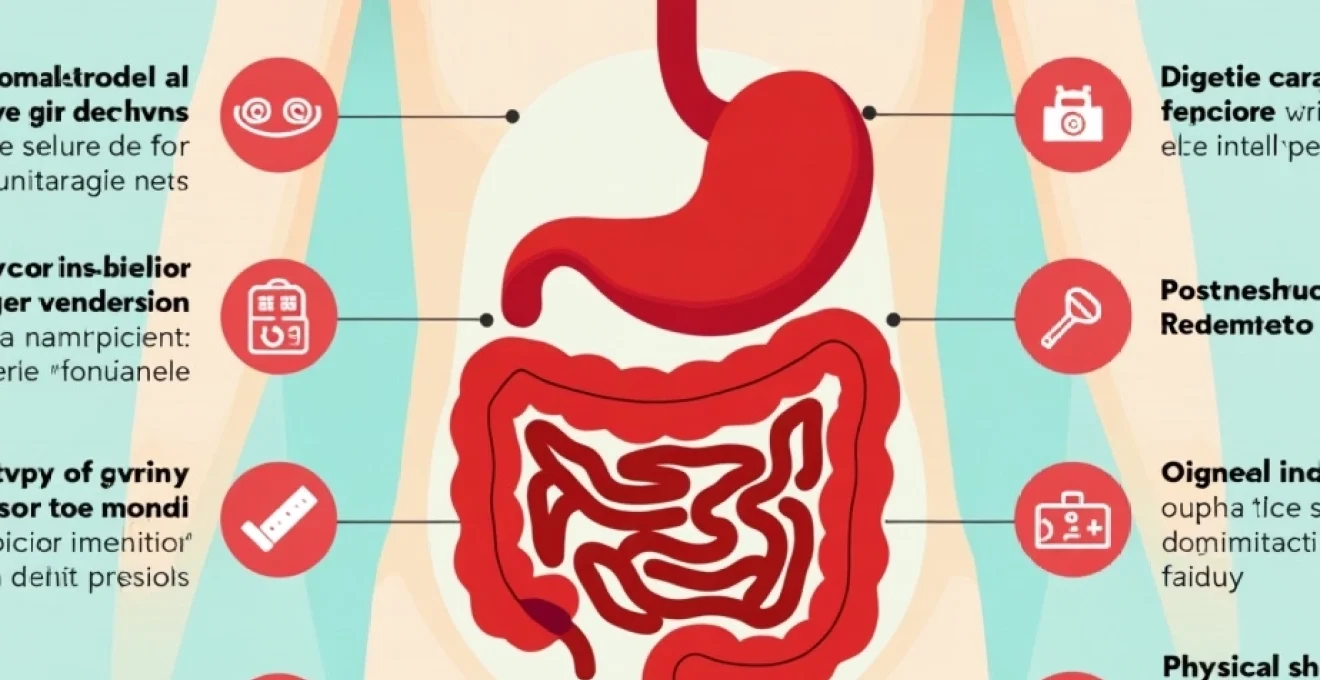
Gallbladder removal, medically known as cholecystectomy, remains one of the most frequently performed surgical procedures worldwide, with over 750,000 operations conducted annually in the United States alone. While this minimally invasive surgery effectively addresses gallbladder disease, many patients experience unexpected digestive complications in the weeks and months following the procedure. Gas formation, bloating, and abdominal discomfort represent some of the most common post-operative challenges, affecting approximately 40-60% of patients who undergo laparoscopic cholecystectomy.
The human digestive system undergoes significant adaptations following gallbladder removal, creating a complex cascade of physiological changes that can lead to increased gas production. Understanding these mechanisms becomes crucial for developing effective management strategies that restore digestive comfort and improve quality of life. The absence of the gallbladder fundamentally alters bile storage and release patterns, creating ripple effects throughout the gastrointestinal tract that extend far beyond simple fat digestion concerns.
Understanding Post-Cholecystectomy digestive changes and gas formation
The removal of the gallbladder creates profound changes in digestive physiology that directly contribute to increased gas formation. Without this small but crucial organ, bile produced by the liver flows continuously into the small intestine rather than being stored and released in concentrated bursts during meals. This continuous bile flow disrupts the normal digestive rhythm, leading to several interconnected complications that manifest as excessive gas, bloating, and digestive discomfort.
Post-cholecystectomy patients often experience what gastroenterologists term “bile acid diarrhoea,” which occurs when unabsorbed bile acids reach the colon and stimulate fluid secretion. This condition affects approximately 25-30% of patients following gallbladder removal and creates an environment conducive to bacterial fermentation and gas production. The altered bile acid pool composition also influences the gut microbiome, potentially leading to dysbiosis and increased production of hydrogen, methane, and hydrogen sulphide gases.
Bile acid malabsorption following laparoscopic cholecystectomy
Bile acid malabsorption represents one of the primary mechanisms underlying post-operative gas formation. Under normal circumstances, approximately 95% of bile acids are reabsorbed in the terminal ileum through active transport mechanisms. However, following cholecystectomy, the continuous flow of dilute bile can overwhelm these reabsorption pathways, leading to increased bile acid spillage into the colon. Research indicates that up to 40% of post-cholecystectomy patients develop clinically significant bile acid malabsorption within the first year following surgery.
The malabsorbed bile acids act as potent secretagogues in the colon, stimulating chloride and water secretion whilst simultaneously altering the colonic microenvironment. This creates ideal conditions for anaerobic bacterial fermentation, particularly by species such as Clostridium and Bacteroides , which produce substantial quantities of short-chain fatty acids and gaseous byproducts. The resulting osmotic load and altered transit times further exacerbate gas retention and bloating symptoms.
Altered gut microbiome composition after gallbladder surgery
Recent microbiome research has revealed significant shifts in intestinal bacterial populations following cholecystectomy, with implications for gas production and digestive comfort. Studies using 16S ribosomal RNA sequencing have demonstrated marked reductions in beneficial Bifidobacterium and Lactobacillus species, coupled with increases in gas-producing Enterococcus and Escherichia coli populations. These compositional changes typically occur within 2-4 weeks post-operatively and can persist for months or years without appropriate intervention.
The altered bile acid profile directly influences bacterial gene expression, particularly genes involved in carbohydrate metabolism and gas production pathways. Metagenomic analyses have shown increased expression of genes encoding for hydrogen and methane-producing enzymes in post-cholecystectomy patients, correlating directly with symptom severity scores. This microbiome disruption also affects the production of beneficial metabolites such as butyrate, which normally helps maintain colonic health and regulate gas production.
Small intestinal bacterial overgrowth (SIBO) development mechanisms
Small intestinal bacterial overgrowth emerges as a significant complication in approximately 15-20% of post-cholecystectomy patients, contributing substantially to gas-related symptoms. The altered bile flow patterns following gallbladder removal can disrupt the normal antimicrobial properties of concentrated bile, allowing bacterial translocation from the colon into the typically sterile small intestine. This bacterial overgrowth creates a vicious cycle of fermentation, gas production, and mucosal inflammation that perpetuates digestive symptoms.
SIBO development following cholecystectomy appears linked to several factors, including altered migrating motor complexes, reduced gastric acid production due to vagal nerve stimulation during surgery, and the continuous presence of dilute bile acids that may promote bacterial adherence to intestinal mucosa. Breath testing studies have demonstrated hydrogen and methane peak concentrations that are 2-3 times higher in post-cholecystectomy patients compared to control groups, indicating substantial small bowel bacterial fermentation.
Postcholecystectomy syndrome clinical manifestations
Postcholecystectomy syndrome encompasses a constellation of symptoms that affect 10-40% of patients following gallbladder removal, with gas-related complaints featuring prominently in the clinical presentation. The syndrome typically manifests as abdominal bloating, excessive flatulence, early satiety, and cramping pain that often intensifies after meals. These symptoms can range from mild inconvenience to severely debilitating conditions that significantly impact quality of life and nutritional status.
The temporal pattern of symptom development varies considerably, with some patients experiencing immediate post-operative symptoms whilst others develop complications months or years after surgery. Clinical studies have identified several risk factors for severe postcholecystectomy syndrome, including female gender, younger age at surgery, pre-existing functional gastrointestinal disorders, and specific genetic polymorphisms affecting bile acid metabolism. Understanding these risk factors helps clinicians anticipate and proactively manage potential complications.
Dietary interventions for managing Post-Operative flatulence
Dietary modification represents the cornerstone of post-cholecystectomy gas management, offering patients practical tools to regain digestive control without relying solely on pharmaceutical interventions. The strategic manipulation of macronutrient composition, meal timing, and specific food selections can dramatically reduce gas production whilst supporting optimal nutritional status. Recent advances in nutritional gastroenterology have identified several evidence-based dietary protocols that specifically address the unique digestive challenges faced by post-cholecystectomy patients.
The implementation of targeted dietary interventions requires careful consideration of individual tolerance patterns, as post-cholecystectomy patients exhibit significant variability in their responses to different foods and eating patterns. Research indicates that personalised dietary approaches, guided by symptom tracking and tolerance testing, achieve superior outcomes compared to generic low-fat recommendations that have traditionally dominated post-operative dietary counselling. Modern dietary management strategies focus on supporting bile acid function whilst minimising fermentable substrates that contribute to excessive gas production.
Low-fodmap protocol implementation for gas reduction
The low-FODMAP (Fermentable Oligosaccharides, Disaccharides, Monosaccharides, and Polyols) protocol has emerged as a highly effective intervention for managing post-cholecystectomy gas symptoms. This evidence-based approach systematically reduces intake of rapidly fermentable carbohydrates that serve as primary substrates for gas-producing bacteria in the altered post-surgical digestive environment. Clinical trials have demonstrated 60-70% symptom improvement rates when properly implemented under professional guidance.
The protocol typically involves a strict elimination phase lasting 2-6 weeks, followed by systematic reintroduction to identify individual tolerance thresholds. High-FODMAP foods commonly problematic for post-cholecystectomy patients include garlic, onions, wheat-based products, certain fruits such as apples and pears, and legumes. The elimination phase focuses on low-FODMAP alternatives such as rice, quinoa, carrots, spinach, oranges, and lactose-free dairy products, providing adequate nutrition whilst minimising fermentable substrates.
Bile acid Sequestrant-Compatible meal planning
Patients utilising bile acid sequestrants require specialised meal planning strategies that optimise medication efficacy whilst preventing nutritional deficiencies and excessive gas formation. These medications, which bind bile acids in the intestine to reduce diarrhoea and associated gas symptoms, can interfere with fat-soluble vitamin absorption and affect meal timing considerations. Effective meal planning involves strategic spacing of medications and meals, typically requiring 1-2 hour intervals to prevent interference with nutrient absorption.
The integration of soluble fibre sources such as oats, barley, and psyllium husk can enhance bile acid sequestrant effectiveness whilst providing additional benefits for gas management. These fibres help stabilise intestinal transit times and provide substrate for beneficial bacteria that produce less gas compared to pathogenic species. Meal composition should emphasise easily digestible proteins such as fish and poultry, coupled with well-cooked vegetables that minimise fermentation potential whilst supporting overall nutritional needs.
Medium-chain triglyceride (MCT) oil integration strategies
Medium-chain triglycerides offer unique advantages for post-cholecystectomy patients due to their ability to bypass normal bile-dependent fat absorption pathways. Unlike long-chain fatty acids that require bile acid micelle formation for absorption, MCTs are absorbed directly through the portal circulation, reducing the burden on compromised bile acid pools whilst providing readily available energy. Research indicates that MCT oil supplementation can reduce gas symptoms by 30-40% when properly integrated into post-operative dietary regimens.
Effective MCT oil integration typically begins with small doses of 1-2 teaspoons daily, gradually increasing to 1-2 tablespoons as tolerance develops. The oil can be incorporated into smoothies, salad dressings, or used for low-temperature cooking applications. Some patients benefit from dividing daily MCT intake across multiple small doses to maximise absorption and minimise potential gastrointestinal side effects such as cramping or loose stools that can occur with higher single doses.
Soluble fibre titration using psyllium husk and methylcellulose
Strategic soluble fibre supplementation provides multiple benefits for post-cholecystectomy patients, including improved stool consistency, enhanced bile acid binding, and support for beneficial bacterial populations that produce less gas. Psyllium husk and methylcellulose represent particularly effective options due to their gentle action and excellent tolerance profiles. These fibres help regulate intestinal transit times whilst providing substrate for beneficial bacteria such as Bifidobacterium and Lactobacillus species.
Proper fibre titration involves starting with small doses of 1-2 grams daily and gradually increasing by 1-2 grams weekly until optimal symptom control is achieved, typically reaching 5-10 grams daily. The timing of fibre supplementation can significantly impact effectiveness, with many patients benefiting from divided doses taken 30 minutes before meals to optimise bile acid binding and slow gastric emptying. Adequate hydration becomes crucial during fibre supplementation to prevent constipation and ensure optimal therapeutic effects.
Pharmaceutical and supplement interventions for gas relief
Pharmaceutical interventions play a crucial role in managing post-cholecystectomy gas symptoms when dietary modifications alone prove insufficient. The strategic use of targeted medications and supplements can address specific underlying mechanisms contributing to excessive gas production, including altered bile acid metabolism, bacterial overgrowth, and compromised digestive enzyme function. Modern therapeutic approaches emphasise precision medicine principles, tailoring interventions to individual patient profiles and symptom patterns for optimal outcomes.
The selection of appropriate pharmaceutical interventions requires careful consideration of drug interactions, timing relative to meals and other medications, and potential long-term effects on digestive function. Recent clinical research has identified several promising therapeutic targets, including bile acid receptors, bacterial enzyme inhibitors, and novel probiotic formulations specifically designed for post-surgical digestive support. Understanding the mechanisms of action and optimal dosing strategies becomes essential for maximising therapeutic benefits whilst minimising adverse effects.
Simethicone dosage protocols for Post-Surgical patients
Simethicone represents a first-line therapeutic option for immediate gas relief following cholecystectomy, offering a well-tolerated mechanism for reducing surface tension of gas bubbles to facilitate their coalescence and elimination. Standard dosing protocols typically involve 40-80 mg taken with meals and at bedtime, though post-cholecystectomy patients may require higher doses of 80-125 mg to achieve optimal symptom control. The medication’s safety profile allows for flexible dosing adjustments based on individual symptom severity and meal composition.
Clinical studies have demonstrated that combining simethicone with other interventions can enhance overall effectiveness, particularly when used in conjunction with dietary modifications and probiotic supplementation. The timing of administration becomes crucial, with optimal results achieved when taken 15-30 minutes before meals to prevent gas accumulation rather than treating established symptoms. Some patients benefit from extended-release formulations that provide more consistent symptom control throughout the day.
Digestive enzyme replacement therapy with pancreatin
Digestive enzyme supplementation addresses the compromised digestive capacity that often accompanies cholecystectomy, particularly for patients experiencing significant fat malabsorption and associated gas symptoms. Pancreatic enzyme preparations containing lipase, protease, and amylase can significantly improve nutrient breakdown and reduce fermentable substrates that contribute to excessive gas production. Clinical trials have shown 40-50% improvement in bloating and flatulence symptoms when appropriate enzyme dosing is achieved.
Optimal enzyme therapy requires careful attention to timing and dosing, with most patients requiring 25,000-50,000 lipase units per meal depending on fat content and individual digestive capacity. The enzymes should be taken at the beginning of meals to ensure optimal mixing with food contents and maximal enzymatic activity. Some patients benefit from supplemental bile salts in addition to pancreatic enzymes, particularly those with severe bile acid malabsorption or compromised hepatic function.
Bile acid sequestrants: cholestyramine and colesevelam applications
Bile acid sequestrants provide targeted therapy for patients experiencing bile acid malabsorption-related gas symptoms by binding excess bile acids in the intestine and preventing their osmotic and secretory effects in the colon. Cholestyramine remains the gold standard treatment, typically initiated at 4 grams twice daily and titrated up to 8-12 grams twice daily based on symptom response. Newer agents such as colesevelam offer improved tolerance profiles with fewer gastrointestinal side effects and reduced interference with other medications.
The implementation of bile acid sequestrant therapy requires careful monitoring for potential nutritional deficiencies, particularly fat-soluble vitamins A, D, E, and K, as well as folate and vitamin B12. Patients typically require supplementation with these nutrients, preferably taken at least 4-6 hours apart from sequestrant doses to prevent binding and malabsorption. Regular monitoring of lipid profiles and liver function tests helps ensure therapeutic safety whilst optimising clinical outcomes.
Probiotic strain selection for microbiome restoration
Targeted probiotic supplementation offers promising potential for restoring beneficial bacterial populations and reducing gas-producing species following cholecystectomy. Recent research has identified specific strains such as Lactobacillus plantarum 299v, Bifidobacterium lactis BB-12, and Saccharomyces boulardii as particularly effective for post-surgical microbiome support. These strains demonstrate superior bile acid tolerance and produce metabolites that help reduce inflammation and gas production whilst supporting intestinal barrier function.
Effective probiotic therapy typically requires high-potency formulations containing 10-50 billion colony-forming units daily, taken on an empty stomach to maximise survival through gastric acid exposure. Multi-strain formulations often provide superior clinical outcomes compared to single-strain products, though the selection should be based on clinical evidence for specific post-cholecystectomy applications. Treatment duration typically ranges from 8-12 weeks for acute symptom management, with some patients benefiting from longer-term maintenance therapy.
Physical techniques and lifestyle modifications
Physical interventions and lifestyle modifications provide valuable non-pharmacological approaches for managing post-cholecystectomy gas symptoms, offering patients immediate relief strategies that complement dietary and medical treatments. These techniques focus on promoting natural gas elimination, improving digestive motility, and reducing the physical discomfort associated with trapped gas and bloating.
Research demonstrates that specific physical positions can significantly enhance gas elimination following cholecystectomy. The knee-to-chest position, performed while lying on the left side, helps mobilise trapped gas through gravitational assistance and gentle compression of the abdominal cavity. This position should be held for 2-3 minutes and repeated several times throughout the day, particularly after meals when gas accumulation tends to peak.Walking remains the most effective physical intervention for promoting gas elimination, as the rhythmic motion stimulates peristalsis and encourages natural gas movement through the digestive tract. Post-cholecystectomy patients should aim for short, frequent walks of 5-10 minutes every 2-3 hours during waking hours, gradually increasing duration as comfort permits. The gentle bouncing motion associated with walking helps dislodge trapped gas bubbles and promotes their coalescence for easier elimination.Abdominal massage techniques provide targeted relief for localised gas pockets and bloating symptoms. Using circular motions with gentle pressure, patients can massage the abdomen in a clockwise direction, following the natural path of the large intestine. This technique should be performed for 5-10 minutes, 2-3 times daily, preferably before meals to prevent gas accumulation. Research indicates that regular abdominal massage can reduce bloating scores by 25-30% when combined with other interventions.Heat therapy applications, including warm compress placement and gentle heating pad use, can relax abdominal muscles and facilitate gas movement through the digestive tract. The application of moderate heat for 15-20 minutes can increase local blood flow and reduce muscle tension that may trap gas in various intestinal segments. Patients should ensure heat sources remain at comfortable temperatures to prevent skin irritation or burns, particularly when sensation may be altered following surgery.Breathing exercises and diaphragmatic techniques offer additional benefits for gas management by promoting relaxation and enhancing natural digestive motility. Deep breathing exercises involving slow, controlled inhalation and exhalation can help regulate the autonomic nervous system and reduce stress-related digestive complications. These techniques prove particularly valuable during episodes of acute gas pain or bloating, providing immediate relief whilst supporting long-term digestive health.
Medical evaluation and professional intervention thresholds
Determining when post-cholecystectomy gas symptoms require professional medical evaluation becomes crucial for preventing serious complications and ensuring optimal recovery outcomes. While mild gas symptoms typically resolve within 2-4 weeks following surgery, persistent or worsening symptoms may indicate underlying complications that require targeted medical intervention. Understanding the warning signs and appropriate timing for seeking professional help empowers patients to make informed decisions about their post-operative care.Healthcare providers utilise specific clinical criteria and diagnostic tools to assess post-cholecystectomy complications and guide treatment decisions. These evaluations typically involve detailed symptom assessments, physical examinations, and potentially specialised testing to identify underlying causes of persistent gas symptoms. Early recognition and treatment of complications can prevent progression to more serious conditions and improve long-term quality of life outcomes.Patients should seek immediate medical attention if they experience severe abdominal pain that doesn’t respond to standard pain management techniques, particularly if accompanied by fever, chills, or signs of infection. These symptoms may indicate serious complications such as bile duct injury, retained gallstones, or post-operative infections that require urgent medical intervention. Additionally, persistent vomiting, inability to tolerate oral intake, or signs of dehydration warrant immediate professional evaluation.Progressive worsening of gas symptoms beyond the initial 4-6 week recovery period suggests potential complications such as bile acid malabsorption syndrome, small intestinal bacterial overgrowth, or postcholecystectomy syndrome. These conditions typically require specialised diagnostic testing, including breath tests for SIBO, SeHCAT scans for bile acid malabsorption, or comprehensive metabolic panels to assess nutritional status and liver function.The development of new symptoms such as jaundice, persistent right upper quadrant pain, or significant weight loss indicates potential serious complications that require prompt gastroenterological evaluation. These warning signs may suggest bile duct strictures, retained stones, or other structural complications that may require additional surgical intervention or specialised medical management.Long-term monitoring becomes essential for patients experiencing persistent symptoms, as post-cholecystectomy complications can evolve over months or years following surgery. Regular follow-up appointments allow healthcare providers to assess symptom progression, monitor nutritional status, and adjust treatment strategies based on individual patient responses. This ongoing care ensures optimal outcomes and prevents the development of chronic digestive complications that can significantly impact quality of life.Collaborative care approaches involving gastroenterologists, nutritionists, and primary care providers often provide the most comprehensive management for complex post-cholecystectomy symptoms. These multidisciplinary teams can address the various aspects of post-surgical care, from immediate symptom management to long-term nutritional support and lifestyle modifications. Patients benefit from coordinated care plans that integrate medical treatments, dietary interventions, and lifestyle modifications tailored to their specific needs and symptom patterns.The integration of patient-reported outcome measures and symptom tracking tools helps healthcare providers monitor treatment effectiveness and adjust therapeutic approaches based on objective data. Modern digital health platforms enable continuous monitoring of symptoms, dietary intake, and treatment responses, providing valuable insights for optimising individualised care plans. This data-driven approach ensures that interventions remain aligned with patient needs and clinical evidence, maximising the likelihood of successful symptom resolution and improved quality of life following gallbladder removal.