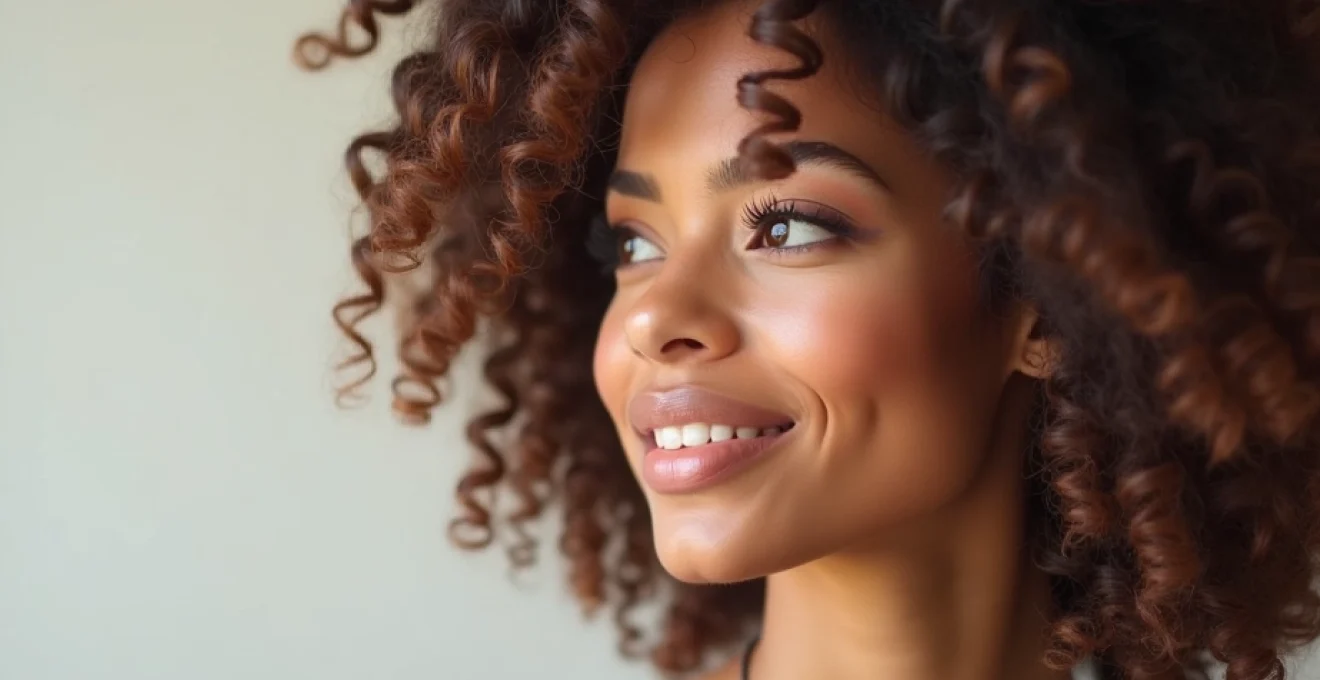
The lingering chemical odour following a perm treatment can transform what should be an exciting hair transformation into an uncomfortable daily reminder of the salon visit. This persistent scent, often described as reminiscent of burnt popcorn, epoxy glue, or rotten eggs, stems from the complex chemical processes involved in restructuring hair’s protein bonds. Understanding the scientific mechanisms behind perm odour formation is crucial for implementing effective removal strategies that restore your hair’s natural freshness without compromising the integrity of your newly formed curls.
Modern perming solutions contain powerful reducing agents and alkaline compounds that penetrate deep into the hair shaft, creating volatile organic compounds that can remain trapped within the hair structure for weeks or even months. The intensity and duration of these odours depend on various factors, including hair porosity, previous chemical treatments, and the specific formulation of products used during the perming process.
Understanding chemical perming process and residual odour formation
The perming process involves a sophisticated chemical transformation that fundamentally alters the structure of hair proteins. During this procedure, the hair’s natural disulfide bonds are broken down and reformed into new positions, creating the desired curl pattern. However, this chemical restructuring inevitably produces various byproducts and residual compounds that contribute to the characteristic perm odour.
Ammonium thioglycolate breakdown and sulphur compound release
The primary culprit behind perm odour is ammonium thioglycolate, the active reducing agent found in most alkaline perming solutions. When this compound breaks down the disulfide bonds in hair proteins, it releases various sulphur-containing molecules into the surrounding environment. These volatile sulphur compounds, including hydrogen sulphide and mercaptans, are responsible for the distinctive “rotten egg” smell that many people associate with fresh perms.
The concentration of these sulphur compounds varies significantly depending on the hair’s natural sulphur content and the processing time required to achieve the desired curl formation. Hair with higher natural sulphur levels, such as coarse or resistant hair types, tends to produce more pronounced odours during the perming process. Additionally, over-processing can lead to excessive breakdown of protein structures, resulting in an intensified and more persistent smell.
Alkaline ph effects on hair cuticle structure and odour retention
Perming solutions typically maintain a highly alkaline pH between 8.5 and 9.5 to facilitate the breaking of disulfide bonds. This elevated pH causes the hair cuticle to swell and lift, creating microscopic spaces that allow the chemical solution to penetrate deep into the cortex. However, these same openings also serve as repositories for odour-causing molecules, trapping them within the hair structure long after the perming process is complete.
The degree of cuticle lifting correlates directly with the hair’s ability to retain odorous compounds. Hair that has been previously damaged by chemical treatments, heat styling, or environmental factors often exhibits more pronounced cuticle lifting, leading to greater odour retention. Understanding this relationship is essential for developing targeted treatment strategies that address both the chemical residue and the structural factors contributing to odour persistence.
Neutralising solution residue and hydrogen peroxide interaction
The neutralising phase of the perming process involves the application of an oxidising solution, typically containing hydrogen peroxide or sodium bromate, to reform the disulfide bonds in their new positions. Incomplete neutralisation or inadequate rinsing can leave residual oxidising agents within the hair structure, where they continue to react with remaining thioglycolate compounds and create additional odorous byproducts.
These ongoing chemical reactions can produce aldehydes and other volatile organic compounds that contribute to the burnt or chemical smell often reported weeks after the initial treatment. The interaction between residual neutralising agents and environmental factors such as humidity, heat, and UV radiation can further intensify these odours, particularly when the hair becomes wet during washing or exercise.
Keratin protein alteration and volatile organic compound emission
The perming process fundamentally alters the structure of keratin proteins within the hair shaft, creating new molecular configurations that can emit volatile organic compounds over extended periods. These altered proteins have different chemical properties compared to natural keratin, including modified binding sites that can trap and slowly release odorous molecules.
The rate of volatile organic compound emission depends on various environmental factors, including temperature, humidity, and pH exposure. This explains why perm odours often become more noticeable when the hair is wet or exposed to heat, as these conditions accelerate the release of trapped molecules. Understanding this mechanism is crucial for developing long-term odour management strategies that address the root cause rather than simply masking the symptoms.
Pre-treatment hair analysis and odour assessment techniques
Before implementing any odour removal strategy, conducting a thorough assessment of the hair’s condition and the specific characteristics of the chemical residue is essential. This analytical approach enables the selection of the most appropriate treatment methods while minimising the risk of further damage to already compromised hair structures.
Porosity testing using float method and strand elasticity evaluation
Hair porosity testing provides crucial information about the hair’s ability to absorb and retain chemical treatments, directly correlating with its capacity for odour retention. The float method involves placing clean, product-free hair strands in a glass of water and observing their behaviour over several minutes. Hair that sinks quickly indicates high porosity, suggesting significant cuticle damage and increased likelihood of persistent odour issues.
Strand elasticity testing complements porosity assessment by evaluating the structural integrity of the hair’s protein bonds. Gently stretch a wet hair strand between your fingers—healthy hair should stretch approximately 30% of its original length before returning to its natural state. Hair that stretches excessively or breaks easily indicates protein damage that may contribute to prolonged odour retention through compromised structural barriers.
Ph strip analysis for residual chemical detection
Testing the pH of freshly washed hair can reveal the presence of residual alkaline compounds from the perming process. Natural hair typically maintains a slightly acidic pH between 4.5 and 5.5, which helps seal the cuticle and maintain structural integrity. Elevated pH readings above 6.0 suggest the presence of residual perming chemicals that continue to contribute to ongoing odour production.
Regular pH monitoring throughout the treatment process allows for the assessment of progress and the effectiveness of various odour removal techniques. This quantitative approach provides objective data to guide treatment decisions and prevents over-processing that could exacerbate existing damage.
Microscopic examination of cuticle damage and chemical deposits
Visual examination of hair strands under magnification can reveal the extent of cuticle damage and the presence of chemical deposits that contribute to odour retention. Look for signs of raised or missing cuticle scales, irregular surface texture, and crystalline deposits that may indicate incomplete rinsing or chemical buildup.
This assessment technique helps identify areas of concentrated damage that may require targeted treatment approaches. Hair sections with severe cuticle disruption often benefit from intensive reconditioning treatments, while areas with visible chemical deposits may require aggressive clarifying procedures to achieve complete odour elimination.
Professional-grade clarifying treatments for chemical residue removal
Professional clarifying treatments represent the most effective approach for removing embedded chemical residues that contribute to persistent perm odours. These specialised formulations contain powerful cleansing agents and chelating compounds designed to penetrate deep into the hair structure and neutralise odour-causing molecules at their source.
Malibu C hard water wellness treatment application protocol
The Malibu C Hard Water Wellness treatment utilises crystallised vitamin C technology to remove mineral buildup and chemical residues that can trap odorous compounds within the hair structure. This treatment is particularly effective for addressing the metallic ions often present in tap water that can interact with perm chemicals to create persistent odours.
Application involves mixing the crystallised treatment with warm water to create an activating solution that penetrates deep into the hair shaft. The vitamin C acts as a powerful antioxidant and chelating agent, neutralising both metallic ions and residual oxidising compounds from the neutralising phase of the perm process. Treatment should be applied to towel-dried hair and processed under gentle heat for optimal results.
Redken hair cleansing cream Deep-Cleansing methodology
Redken’s Hair Cleansing Cream offers a concentrated approach to removing stubborn chemical buildup through its unique blend of cleansing agents and conditioning polymers. This dual-action formula simultaneously strips away residual chemicals while protecting the hair’s protein structure from further damage during the cleansing process.
The treatment protocol involves applying the cleansing cream to wet hair and allowing it to penetrate for 5-10 minutes before thorough rinsing. The conditioning polymers in the formula help to smooth the cuticle surface and create a protective barrier that prevents future odour retention. Multiple applications may be necessary for severely affected hair, with treatments spaced 48-72 hours apart to allow for recovery.
Ion crystal clarifying treatment for mineral and chemical buildup
Ion Crystal Clarifying treatments utilise advanced crystalline technology to target specific types of chemical buildup commonly associated with perm odours. These treatments are particularly effective for removing calcium and magnesium deposits that can interact with sulphur compounds to create persistent metallic odours.
The crystal formulation activates upon contact with water, releasing powerful chelating agents that bind to mineral deposits and chemical residues. This binding action facilitates their removal during the rinsing process, effectively eliminating the molecular foundation for ongoing odour production. The treatment should be followed by a deep conditioning treatment to restore moisture balance and smooth the cuticle surface.
Paul mitchell shampoo three detoxification process
Paul Mitchell Shampoo Three represents a comprehensive approach to chemical detoxification through its concentrated blend of cleansing agents and natural extracts. This professional-grade clarifying shampoo is specifically formulated to remove chlorine, iron, minerals, and chemical residues that contribute to hair odours and discolouration.
The detoxification process involves applying the concentrated shampoo to wet hair and working it into a rich lather that penetrates deep into the hair structure. The natural botanical extracts in the formula help to neutralise odours while the clarifying agents remove embedded chemicals. Treatment frequency should be adjusted based on the severity of odour retention, with most cases requiring 2-3 applications over the course of a week.
Natural enzymatic odour neutralisation methods
Natural enzymatic approaches to perm odour removal offer gentler alternatives to harsh chemical treatments while maintaining effectiveness through biological processes that break down odour-causing molecules. These methods utilise naturally occurring enzymes and organic compounds that specifically target sulphur-based odours without compromising hair health or disrupting the newly formed curl pattern.
Enzymatic treatments work by introducing specific proteins that catalyse the breakdown of volatile sulphur compounds into smaller, odourless molecules that can be easily removed through regular washing. This biological approach offers several advantages over chemical treatments, including reduced risk of further hair damage and the ability to provide ongoing odour protection through residual enzyme activity.
One of the most effective natural enzymatic treatments involves the use of fresh pineapple extract, which contains bromelain—a powerful proteolytic enzyme that breaks down sulphur-containing proteins. Create a treatment solution by blending fresh pineapple with distilled water and straining the mixture to remove pulp. Apply this enzyme-rich solution to damp hair, focusing on areas with the strongest odour concentration, and allow it to process for 20-30 minutes before thorough rinsing.
Papaya-based treatments offer similar enzymatic benefits through the action of papain, another proteolytic enzyme that effectively targets sulphur compounds. Mash fresh papaya into a smooth paste and apply directly to the hair shaft, avoiding the scalp to prevent potential irritation. The natural fruit acids in papaya also help to balance the hair’s pH while the enzymes work to neutralise embedded odours.
The key to successful enzymatic treatment lies in maintaining optimal temperature and pH conditions that maximise enzyme activity while protecting the hair’s structural integrity.
Combination enzymatic treatments can enhance effectiveness by targeting multiple types of odour-causing compounds simultaneously. Mix equal parts fresh pineapple juice and coconut water with a tablespoon of raw honey to create a comprehensive treatment that addresses both protein-based and mineral-related odours. The natural antimicrobial properties of honey also help prevent bacterial growth that could contribute to secondary odour development.
Advanced molecular binding techniques using activated charcoal
Activated charcoal represents one of the most effective molecular binding agents for removing persistent chemical odours from hair structures. Its unique porous surface provides an enormous binding capacity that can trap and neutralise odour-causing molecules through physical adsorption rather than chemical reaction, making it an ideal choice for sensitive or previously damaged hair.
The molecular binding process occurs when odorous compounds become trapped within the microscopic pores of the activated charcoal particles. Unlike chemical treatments that may react with hair proteins and cause additional damage, activated charcoal works purely through physical attraction and retention of volatile molecules. This mechanism makes it particularly effective for addressing the complex mixture of compounds that contribute to perm odours.
Professional-grade activated charcoal treatments involve creating a binding paste using pharmaceutical-quality charcoal powder mixed with distilled water and a small amount of gentle surfactant to improve distribution throughout the hair. The paste should achieve a consistency similar to thick yoghurt, ensuring even coverage while maintaining sufficient binding capacity. Application requires sectioning the hair and methodically working the treatment through each strand from root to tip.
The binding process requires adequate contact time to achieve maximum effectiveness, typically 30-45 minutes under gentle heat to accelerate molecular movement and enhance adsorption. During this processing period, the charcoal particles penetrate into the raised cuticle scales and bind with embedded odour molecules, effectively removing them from the hair structure. Thorough rinsing with lukewarm water followed by a clarifying shampoo ensures complete removal of both the charcoal and the bound odorous compounds.
Enhanced binding treatments combine activated charcoal with complementary adsorbing agents such as bentonite clay or zeolite powder. These combinations create synergistic effects that target different types of odour-causing molecules while providing additional benefits such as mineral removal and pH balancing. The ratio of binding agents should be adjusted based on the specific characteristics of the odour problem, with sulphur-heavy odours requiring higher concentrations of activated charcoal.
The effectiveness of molecular binding treatments depends critically on the quality and preparation of the activated charcoal, with pharmaceutical-grade materials offering superior adsorption capacity compared to lower-quality alternatives.
Maintenance treatments using lower concentrations of activated charcoal can provide ongoing odour protection by creating a residual binding capacity within the hair structure. These preventive applications help intercept new odour molecules before they become deeply embedded, significantly reducing the likelihood of recurring problems. Weekly maintenance treatments using a 1:10 ratio of charcoal to carrier solution can maintain long-term freshness without compromising hair health.
Post-treatment hair reconditioning and cuticle restoration protocols
Successful odour removal treatments often leave hair in a temporarily vulnerable state due to the intensive cleansing and chemical neutralisation processes required to eliminate embedded odours. Implementing comprehensive reconditioning protocols is essential for restoring hair health, sealing the cuticle structure, and preventing future odour retention while maintaining the integrity of the perm curl pattern.
Protein restoration treatments form the foundation of effective post-treatment care, addressing the structural damage that often accompanies persistent odour problems. Hydrolysed keratin treatments penetrate into the hair cortex to fill gaps in the protein matrix created by chemical processing and intensive cleansing procedures. These treatments should be applied immediately following odour removal procedures while the cuticle remains slightly lifted, allowing for optimal penetration and binding.
The reconditioning process requires careful balance between protein restoration and moisture replenishment to avoid creating brittle, over-processed hair. Alternate protein treatments with intensive moisture therapies, using products containing ceramides, natural oils, and humectants that restore the hair’s natural moisture balance. Deep conditioning treatments containing ingredients such as shea butter , argan oil , and silk proteins help to smooth the cuticle surface while providing long-lasting hydration.
Cuticle sealing treatments represent the final phase of the reconditioning protocol, creating a protective barrier that prevents future chemical penetration and odour retention. Acidic rinses using apple cider vinegar or citric acid solutions help to lower the hair’s pH and encourage cuticle flattening, while leave-in treatments containing silicones and quaternary compounds provide additional protection against environmental factors that could compromise hair health.
Heat protection becomes particularly
crucial after intensive odour removal treatments, as damaged hair becomes increasingly susceptible to thermal damage from styling tools and environmental heat exposure. Apply heat protectant products containing silicones, proteins, and UV filters before any heat styling, and consider reducing styling temperatures by 25-50% during the recovery period following odour elimination treatments.
Ongoing maintenance protocols should incorporate weekly deep conditioning treatments for the first month following odour removal, gradually reducing frequency as hair health improves. Monitor hair elasticity and porosity regularly to assess recovery progress and adjust treatment intensity accordingly. Signs of successful reconditioning include improved elasticity, reduced porosity, enhanced shine, and the absence of any returning chemical odours during regular washing and styling routines.
The final phase of cuticle restoration involves establishing protective barriers that prevent future chemical penetration while maintaining the hair’s natural moisture balance. Professional-grade leave-in treatments containing quaternary ammonium compounds create positive charges that bind to the negatively charged hair surface, forming a protective film that smooths the cuticle and reduces friction during styling. These treatments also provide ongoing conditioning benefits that help maintain the results achieved through intensive reconditioning protocols.
Remember that successful post-treatment care requires patience and consistency—rushing the reconditioning process or skipping treatments can compromise long-term hair health and potentially allow odours to return.
Environmental protection becomes essential during the recovery period, as treated hair remains vulnerable to damage from chlorine, hard water minerals, and UV radiation. Consider using chelating shampoos weekly to prevent mineral buildup, and always rinse hair thoroughly after swimming in chlorinated pools. UV protection through leave-in treatments or protective styling helps prevent photodegradation of the restored protein structure, ensuring long-lasting results from your odour removal efforts.
The success of post-treatment reconditioning can be measured through several objective indicators, including improved wet and dry combing, reduced breakage during styling, enhanced curl definition and bounce, and the complete absence of chemical odours even when hair becomes wet. Regular professional assessments can help track progress and identify any areas requiring additional attention, ensuring optimal long-term results from your comprehensive odour elimination and hair restoration programme.