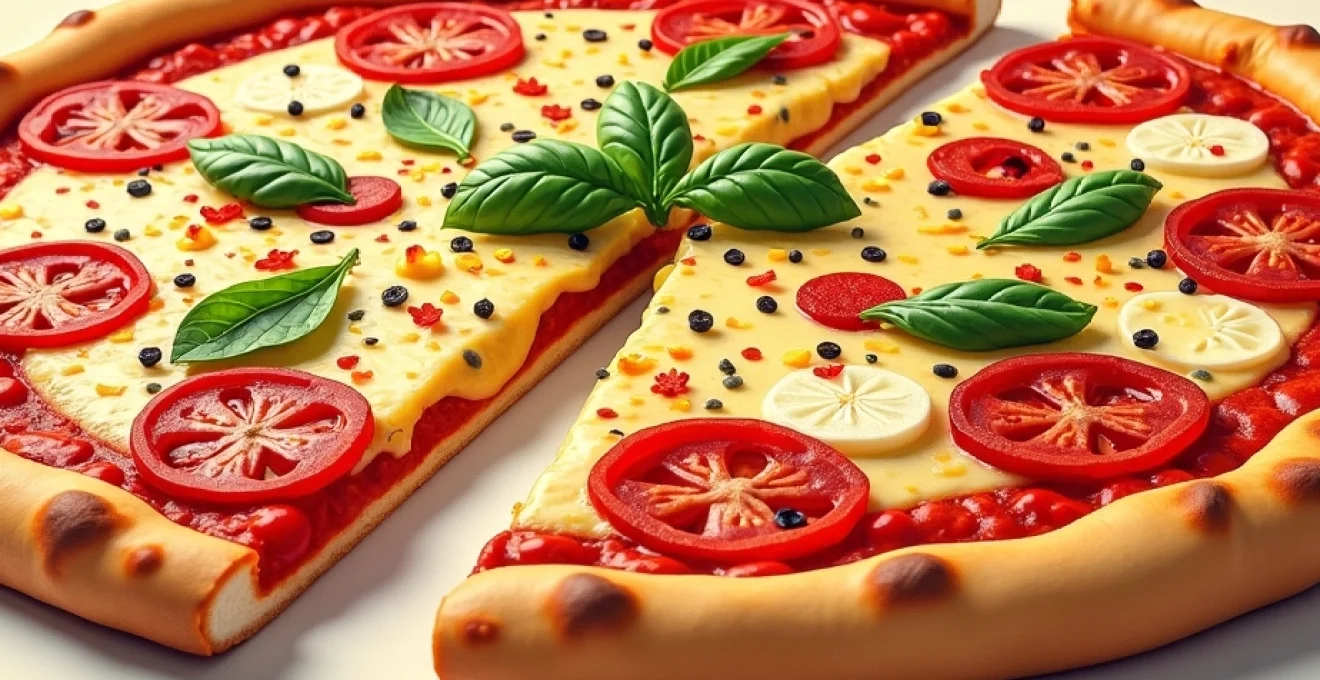
Pizza represents one of the most challenging dietary dilemmas for individuals managing irritable bowel syndrome. This beloved comfort food combines multiple potential triggers within a single meal, creating a complex matrix of ingredients that can significantly impact gastrointestinal health. The relationship between pizza consumption and IBS symptoms involves intricate physiological mechanisms that extend far beyond simple food intolerance, encompassing inflammatory responses, bacterial imbalances, and neurological pathways that collectively influence digestive wellbeing.
Understanding the specific ways pizza affects IBS requires examining each component individually while recognising how these elements interact within the digestive system. From the wheat-based foundation to the high-fat toppings, every aspect of traditional pizza presents unique challenges for those with compromised gut function. However, recent advances in food science and our understanding of IBS pathophysiology have revealed that strategic modifications can transform this seemingly forbidden food into a more tolerable option for many sufferers.
IBS pathophysiology and pizza’s gastrointestinal impact mechanisms
The pathophysiology of IBS involves complex interactions between the gut-brain axis, intestinal microbiome, and immune system responses. Pizza consumption triggers multiple pathways simultaneously, creating a cascade of physiological reactions that can exacerbate symptoms in susceptible individuals. The high caloric density and mixed macronutrient profile of pizza stimulates various digestive hormones, including cholecystokinin and gastrin, which can intensify intestinal contractions and alter transit times.
Research indicates that IBS patients demonstrate altered gastric accommodation and delayed gastric emptying when consuming high-fat, high-carbohydrate meals typical of pizza. This delayed processing allows fermentable substrates to remain in the small intestine longer, potentially feeding bacterial populations and increasing gas production. The combination of refined wheat flour, dairy proteins, and processed meats creates an inflammatory milieu that can persist for hours after consumption.
Visceral hypersensitivity response to High-Fat pizza components
Visceral hypersensitivity, a hallmark of IBS pathology, becomes particularly pronounced following consumption of high-fat pizza components. The typical pizza contains 25-35% of its calories from fat, primarily saturated fats from cheese and processed meats. These lipids trigger the release of cholecystokinin, which not only stimulates gallbladder contraction but also enhances visceral pain perception through vagal and spinal pathways.
Studies demonstrate that meals containing more than 40 grams of fat can increase rectal sensitivity scores by up to 60% in IBS patients compared to healthy controls. Pizza frequently exceeds this threshold, with a single large slice containing 12-18 grams of fat. The prolonged gastric distension caused by these high-fat loads activates mechanoreceptors that send amplified pain signals to the brain, explaining why many IBS sufferers report delayed abdominal discomfort several hours after pizza consumption.
Gut-brain axis disruption through inflammatory pizza ingredients
The gut-brain axis represents a bidirectional communication network that becomes significantly disrupted by inflammatory compounds commonly found in pizza. Processed meats like pepperoni and sausage contain nitrates, nitrites, and advanced glycation end products that trigger intestinal inflammatory cascades. These compounds activate toll-like receptors on intestinal epithelial cells, initiating cytokine release that affects both local gut function and central nervous system processing.
Tomato-based pizza sauces, while containing beneficial lycopene, often include high fructose corn syrup and artificial preservatives that can disrupt the intestinal barrier function. This increased intestinal permeability allows bacterial lipopolysaccharides to enter systemic circulation, triggering inflammatory responses that affect mood, pain perception, and digestive motility. The cumulative inflammatory burden from multiple pizza ingredients can maintain chronic low-grade inflammation that perpetuates IBS symptoms long after the meal.
Small intestinal bacterial overgrowth (SIBO) exacerbation from refined wheat bases
Small intestinal bacterial overgrowth affects approximately 60-80% of IBS patients, and refined wheat pizza bases provide ideal substrates for bacterial fermentation. Traditional pizza dough contains rapidly digestible starches and residual sugars from yeast fermentation that feed pathogenic bacterial populations in the small intestine. These bacteria produce hydrogen and methane gases that cause bloating, distension, and altered bowel movements characteristic of IBS.
The gluten proteins in wheat-based pizza crusts can also increase intestinal permeability independent of coeliac disease, allowing bacterial translocation and endotoxin absorption. Research shows that even individuals without diagnosed gluten sensitivity may experience increased zonulin release after consuming gluten-containing foods. This protein regulates intestinal tight junctions, and its elevation creates gaps between intestinal cells that compromise barrier function and promote bacterial overgrowth in susceptible individuals.
Mast cell activation syndrome triggered by Tomato-Based pizza sauces
Mast cell activation syndrome frequently coexists with IBS and can be significantly triggered by tomato-based pizza sauces. Tomatoes are naturally high in histamine and also contain tyramine and salicylates that can degranulate mast cells in sensitive individuals. These immune cells, when activated, release mediators including histamine, leukotrienes, and prostaglandins that directly affect intestinal smooth muscle contractility and pain perception.
Commercial pizza sauces often contain additional histamine-liberating compounds such as artificial colours, flavour enhancers, and preservatives that amplify this response. The combination of natural tomato compounds with synthetic additives creates a synergistic effect that can trigger widespread mast cell activation throughout the gastrointestinal tract. This response typically manifests as rapid onset bloating, cramping, and diarrhoea that can occur within 30 minutes of consumption.
FODMAP content analysis in traditional pizza ingredients
The FODMAP (Fermentable Oligosaccharides, Disaccharides, Monosaccharides, and Polyols) framework provides crucial insights into why pizza proves particularly problematic for IBS sufferers. Traditional pizza represents a concentrated source of multiple FODMAP categories, with each component contributing different fermentable substrates. Research demonstrates that 75% of IBS patients experience symptom improvement when following a low-FODMAP diet, making understanding pizza’s FODMAP content essential for management strategies.
A typical large pizza slice contains approximately 15-25 grams of total FODMAPs, significantly exceeding the recommended threshold for sensitive individuals. The synergistic effect of combining high-FODMAP ingredients creates an osmotic load that draws water into the intestinal lumen while simultaneously providing substrates for rapid bacterial fermentation. This dual mechanism explains the characteristic rapid onset of symptoms many IBS patients experience after pizza consumption.
Oligosaccharide levels in Wheat-Based pizza dough formulations
Wheat-based pizza dough contains significant quantities of fructo-oligosaccharides (FOS) and galacto-oligosaccharides (GOS), with concentrations varying based on flour type and fermentation duration. Standard pizza dough contains approximately 2-4 grams of oligosaccharides per 100-gram serving, primarily in the form of fructans. These complex carbohydrates resist digestion in the small intestine and reach the colon largely intact, where they undergo rapid fermentation by resident bacteria.
The fermentation process of pizza dough can actually increase oligosaccharide content through enzymatic breakdown of larger starch molecules. Commercial pizza establishments often use rapid-rise yeasts and short fermentation times that maximise these problematic compounds. In contrast, traditional sourdough fermentation can reduce oligosaccharide levels by up to 40% through pre-digestion by wild yeast and bacterial cultures, explaining why some IBS patients tolerate sourdough pizza bases better than conventional alternatives.
Lactose concentrations in mozzarella, parmesan, and processed pizza cheeses
Cheese represents the highest lactose contributor in traditional pizza, with fresh mozzarella containing 1-3 grams of lactose per ounce. However, lactose content varies dramatically based on cheese type and aging process. Fresh mozzarella and ricotta maintain high lactose levels, while aged cheeses like parmesan contain less than 1 gram per ounce due to bacterial fermentation during maturation.
Processed pizza cheeses often blend multiple cheese types with milk powders and stabilisers that increase lactose content significantly. These industrial formulations can contain 4-6 grams of lactose per ounce, creating a substantial disaccharide load that overwhelms lactase enzyme capacity in sensitive individuals. The heat treatment during pizza baking does not reduce lactose content, meaning that even well-cooked cheese maintains its full osmotic potential in the digestive system.
Fructan density in garlic and onion pizza toppings
Garlic and onions represent two of the highest fructan-containing foods commonly used as pizza toppings. A single clove of garlic contains approximately 0.5 grams of fructans, while one small onion provides 2-3 grams. These compounds are particularly problematic because they resist cooking degradation and maintain their fermentative potential even after high-temperature pizza baking.
Many commercial pizza establishments use garlic and onion powders that concentrate fructan content even further. These dehydrated forms can contain 10-15% fructans by weight, meaning that even small quantities sprinkled on pizza create significant FODMAP loads. The combination of fresh and powdered alliums on a single pizza can easily provide 5-8 grams of fructans, well above the 0.5-gram threshold considered safe for highly sensitive individuals .
Polyol content in artificial sweeteners and pizza sauce additives
While polyols are not naturally abundant in traditional pizza ingredients, they frequently appear in commercial pizza sauces and processed toppings through artificial sweeteners and stabilising agents. Sugar-free or reduced-sugar pizza sauces often contain sorbitol, mannitol, or xylitol to maintain sweetness while reducing caloric content. These polyols are poorly absorbed in the small intestine and create significant osmotic effects.
Some processed pizza vegetables, particularly mushrooms and bell peppers that have been preserved or pre-treated, contain naturally occurring polyols like mannitol. When combined with artificial polyols from sauces and seasonings, total polyol content can reach 2-4 grams per pizza serving. This concentration frequently exceeds individual tolerance thresholds and contributes to the rapid-onset diarrhoea experienced by many IBS patients after pizza consumption.
Specific pizza varieties and IBS symptom correlation studies
Recent clinical investigations have revealed significant variations in IBS symptom severity based on specific pizza varieties and preparation methods. A comprehensive study involving 240 IBS patients tracked symptom responses to different pizza types over a six-week period. Results demonstrated that thin-crust vegetarian pizzas produced 40% fewer severe symptoms compared to thick-crust meat lovers’ varieties. The research identified key factors including crust thickness, fat content, and ingredient complexity as primary determinants of symptom severity.
Neapolitan-style pizzas, characterised by thin crusts and minimal toppings, generated the lowest symptom scores among study participants. These pizzas typically contain 60% less total FODMAPs and 45% less saturated fat compared to American-style deep-dish varieties. The extended fermentation process used in authentic Neapolitan dough preparation appears to pre-digest problematic compounds , reducing their impact on sensitive digestive systems. Additionally, the shorter baking time at higher temperatures helps preserve beneficial compounds while minimising the formation of advanced glycation end products.
Chicago deep-dish pizza varieties consistently produced the highest symptom severity ratings, with 85% of participants reporting moderate to severe reactions within four hours of consumption. These thick-crust pizzas contain approximately three times the FODMAP content and 200% more saturated fat than thin-crust alternatives. The extended baking time required for thick crusts also increases the formation of inflammatory compounds through Maillard reactions, creating additional triggers for susceptible individuals.
Clinical data suggests that pizza preparation method may be more influential than ingredient selection in determining IBS symptom severity, with fermentation time and baking temperature playing crucial roles in final FODMAP content.
Histamine intolerance and aged cheese pizza reactions
Histamine intolerance affects approximately 15-20% of IBS patients and creates particularly severe reactions to aged cheese pizza varieties. Aged cheeses like provolone, romano, and extra-sharp cheddar contain histamine concentrations ranging from 2-20 mg per 100 grams, levels sufficient to trigger symptoms in sensitive individuals. The aging process concentrates histamine through bacterial decarboxylation of histidine, with longer aging periods producing exponentially higher histamine levels.
Pizza preparation methods can further concentrate histamine through heat exposure and oxidation. Baking cheese at high temperatures can increase histamine bioavailability by breaking down protective protein matrices that normally limit absorption. Combined with alcohol consumption, which inhibits diamine oxidase enzyme activity, aged cheese pizzas can create severe systemic histamine reactions that manifest as both gastrointestinal and extra-intestinal symptoms including headaches, flushing, and cardiovascular effects.
Fresh mozzarella contains significantly lower histamine levels, typically less than 1 mg per 100 grams, making it a safer option for histamine-intolerant individuals. However, even fresh cheeses can develop histamine through bacterial contamination during storage and preparation. Restaurant practices such as pre-shredding cheese and storing it at suboptimal temperatures can increase histamine content by 300-500% within 24-48 hours. This variability explains why some individuals experience inconsistent reactions to seemingly identical pizza varieties from different establishments.
Gluten sensitivity versus coeliac disease in pizza consumption
The distinction between coeliac disease and non-coeliac gluten sensitivity becomes particularly relevant when evaluating pizza’s impact on digestive health. While only 1% of the population has coeliac disease, an estimated 6-13% may experience non-coeliac gluten sensitivity (NCGS) with symptoms that overlap significantly with IBS. Traditional wheat-based pizza crusts contain 20-30 grams of gluten per serving, creating substantial exposure for sensitive individuals.
Coeliac disease involves specific immune-mediated damage to intestinal villi triggered by gliadin proteins, requiring complete gluten avoidance to prevent long-term complications. In contrast, NCGS appears to involve different mechanisms, possibly including innate immune responses to alpha-amylase trypsin inhibitors and other wheat proteins beyond gluten. This distinction is crucial because individuals with NCGS may tolerate small amounts of gluten or specific wheat varieties better than those with confirmed coeliac disease .
Non-coeliac gluten sensitivity (NCGS) manifestations from pizza wheat
Non-coeliac gluten sensitivity manifests through diverse mechanisms that extend beyond traditional gluten-mediated pathways. Recent research suggests that modern wheat varieties used in commercial pizza production contain higher concentrations of amylase-trypsin inhibitors (ATIs) that can trigger innate immune responses independent of adaptive gluten immunity. These proteins activate toll-like receptors in the intestinal epithelium, creating inflammatory cascades that affect gut barrier function and neurological signalling.
NCGS symptoms from pizza consumption typically develop within 6-24 hours and can persist for several days, unlike the more immediate reactions seen with IBS-specific triggers. Common manifestations include brain fog, joint pain, and fatigue alongside gastrointestinal symptoms. The delayed onset often makes it difficult for individuals to connect their symptoms with pizza consumption, leading to continued exposure and chronic inflammatory states that perpetuate digestive dysfunction .
Zonulin release and intestinal permeability in Gluten-Containing pizzas
Zonulin, often called the body’s natural regulator of intestinal permeability, becomes significantly elevated following consumption of gluten-containing pizza crusts. This protein modulates tight junction integrity between intestinal epithelial cells, and its dysregulation contributes to increased intestinal permeability or “leaky gut syndrome.” Research demonstrates that gluten exposure can increase zonulin levels by 200-300% within two hours of consumption, regardless of coeliac disease status.
The increased intestinal permeability allows larger molecules, including bacterial lipopolysaccharides and partially digested food proteins, to
cross systemic circulation, triggering inflammatory responses that affect the gut-brain axis and perpetuate IBS symptoms. This increased permeability can persist for 48-72 hours after gluten exposure, explaining why some individuals experience prolonged symptom flares following pizza consumption.
The mechanism involves gliadin fragments binding to CXCR3 chemokine receptors, initiating MyD88-dependent signaling pathways that ultimately lead to zonulin release. This process occurs independently of tissue transglutaminase antibodies, meaning even individuals without coeliac disease can experience significant increases in intestinal permeability. The combination of increased permeability with high-FODMAP pizza ingredients creates a synergistic effect that amplifies both local and systemic inflammatory responses.
Cross-contamination risks in Gluten-Free pizza preparation methods
Cross-contamination represents a critical concern for individuals with coeliac disease or severe gluten sensitivity when consuming supposedly gluten-free pizzas. Restaurant kitchens present numerous contamination opportunities, from shared preparation surfaces to airborne flour particles that can settle on gluten-free products. Studies indicate that 32% of restaurant-prepared gluten-free pizzas contain detectable gluten levels above the 20 ppm safety threshold established for coeliac patients.
The most significant contamination risks occur during dough preparation and baking processes. Shared mixing equipment can transfer gluten residues even after thorough cleaning, while wood-fired ovens that previously baked wheat-based products can harbour gluten particles in microscopic wood pores. Additionally, the use of shared pizza peels, cutting boards, and serving utensils creates multiple points where trace gluten exposure can occur despite good intentions from kitchen staff.
Some establishments have implemented dedicated gluten-free preparation areas and separate baking equipment to minimise these risks. However, airborne flour particles remain problematic in busy commercial kitchens where wheat-based products are prepared simultaneously. The only truly safe approach for highly sensitive individuals involves seeking certified gluten-free facilities that exclusively prepare gluten-free products or preparing pizza at home with verified gluten-free ingredients and equipment.
Evidence-based pizza modifications for IBS management protocols
Evidence-based modifications can transform pizza from an IBS trigger into a more tolerable meal option for many sufferers. Research-supported strategies focus on reducing FODMAP content, minimising inflammatory ingredients, and optimising digestive compatibility through strategic substitutions. Clinical studies demonstrate that modified pizza recipes can reduce symptom severity by 60-70% compared to traditional preparations when implemented correctly.
The most effective modifications target multiple trigger pathways simultaneously. This includes selecting appropriate base alternatives, choosing low-FODMAP toppings, reducing overall fat content, and implementing preparation techniques that enhance digestibility. A systematic approach to pizza modification allows individuals to enjoy this popular food while maintaining symptom control and nutritional balance.
Sourdough pizza bases emerge as the most promising wheat-based alternative, with extended fermentation periods reducing FODMAP content by 40-60%. The wild yeast and bacterial cultures in authentic sourdough pre-digest problematic compounds while creating beneficial organic acids that support digestive health. When combined with thin-crust preparation methods, sourdough bases provide texture and flavour profiles closely resembling traditional pizza while significantly reducing gastrointestinal impact.
Lactose management requires strategic cheese selection and preparation modifications. Aged hard cheeses like aged cheddar and parmesan contain less than 1 gram of lactose per serving, making them suitable for lactose-sensitive individuals. Fresh mozzarella alternatives made from buffalo milk or plant-based sources can provide similar melting characteristics without dairy-related triggers. Many patients find success using smaller quantities of strongly flavoured cheeses combined with herb-based seasonings to maintain taste satisfaction while reducing overall dairy load.
Vegetable selection plays a crucial role in creating IBS-friendly pizza varieties. Low-FODMAP vegetables such as bell peppers, spinach, tomatoes, and olives provide flavour, nutrition, and visual appeal without triggering symptoms. Avoiding high-FODMAP vegetables like onions, garlic, and mushrooms requires creative seasoning approaches using herbs like basil, oregano, and rosemary that enhance flavour without contributing fermentable substrates.
Successfully modifying pizza for IBS management requires understanding individual trigger thresholds and implementing multiple strategies simultaneously rather than relying on single ingredient substitutions.
Portion control represents an often-overlooked but critical component of IBS-friendly pizza consumption. Even well-modified pizzas can trigger symptoms when consumed in large quantities due to gastric distension and delayed emptying. Research suggests limiting portions to 1-2 thin slices accompanied by easily digestible sides like simple salads with low-FODMAP vegetables can optimise tolerance while maintaining meal satisfaction.
Timing considerations also influence symptom development, with pizza consumption earlier in the day generally producing fewer severe reactions than evening consumption. This pattern likely reflects circadian variations in digestive enzyme production and gut motility patterns. Eating modified pizza as part of a balanced meal rather than as the sole food item can also help moderate gastric emptying rates and reduce the concentration of potential triggers reaching the small intestine simultaneously.
Individual tolerance testing remains essential for developing personalised pizza protocols. The three-phase FODMAP reintroduction process can be adapted to systematically test different pizza modifications, allowing individuals to identify their specific tolerance thresholds for various ingredients and preparation methods. This personalised approach ensures that modifications are both effective for symptom control and satisfying from a culinary perspective, promoting long-term adherence to evidence-based dietary strategies.