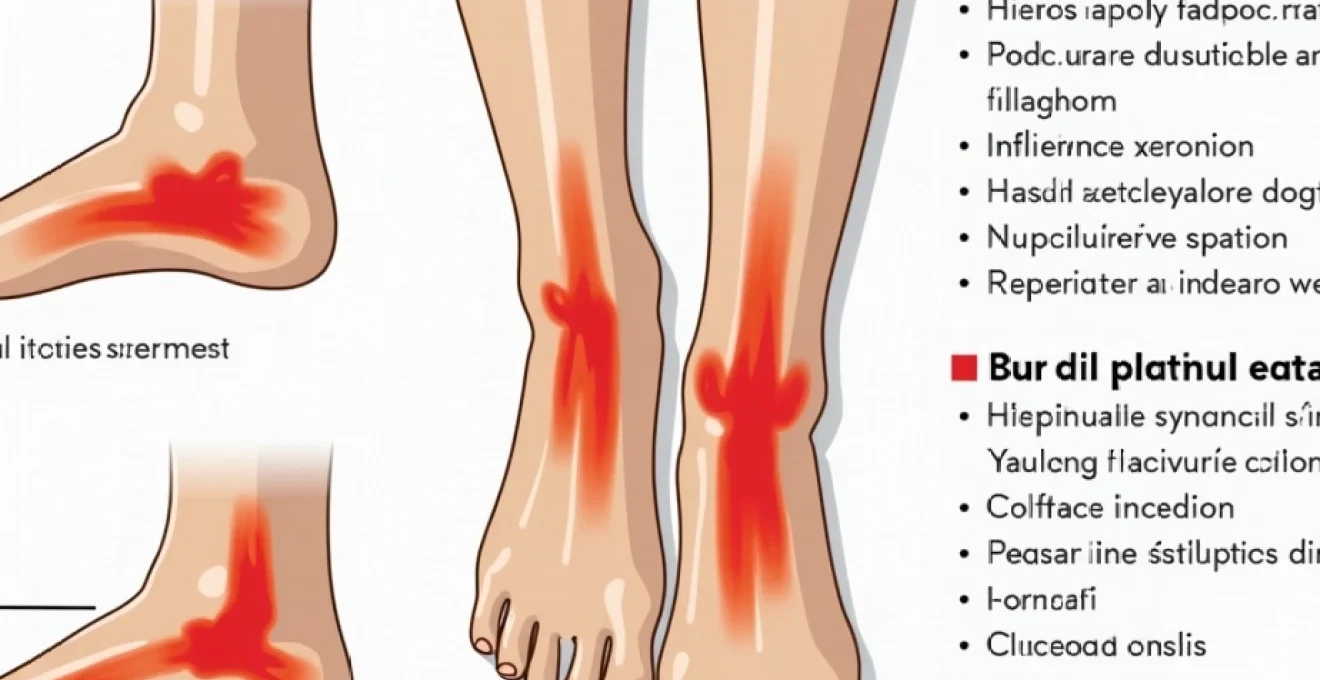
Ankle injuries rank among the most common musculoskeletal problems affecting athletes and the general population alike. While the initial trauma often receives immediate attention, the long-term consequences of scar tissue formation frequently remain overlooked until symptoms become problematic. Understanding the complex interplay between injury response, tissue healing, and functional recovery becomes essential for healthcare practitioners and patients navigating the challenges of ankle rehabilitation.
Scar tissue development following ankle injury represents a natural biological response that can significantly impact mobility, comfort, and athletic performance. From lateral ankle sprains that leave behind fibrous adhesions to Achilles tendon injuries resulting in restrictive scarring, the ankle joint’s intricate anatomy makes it particularly susceptible to problematic healing patterns. The formation of excessive or poorly organised scar tissue can lead to chronic pain, reduced range of motion, and recurring instability issues that persist long after the initial injury has healed.
Pathophysiology of ankle scar tissue formation following injury
The formation of scar tissue in the ankle follows a predictable yet complex cascade of biological events that begins immediately after tissue damage occurs. When ligaments, tendons, or joint capsule structures sustain injury, the body initiates an inflammatory response designed to protect the damaged area and facilitate healing. This process involves multiple cellular mechanisms working in concert to repair torn fibres and restore structural integrity to the affected tissues.
During the initial inflammatory phase, which typically lasts 48-72 hours, increased vascular permeability allows inflammatory mediators, white blood cells, and healing factors to enter the injury site. This inflammatory response, while essential for tissue repair, also sets the stage for potential scar tissue complications if not properly managed during the acute phase.
Collagen deposition patterns in Post-Traumatic ankle healing
Collagen synthesis represents the cornerstone of scar tissue formation, with Type I and Type III collagen fibres playing distinct roles in ankle healing. Initially, Type III collagen predominates, creating a loose, disorganised matrix that provides temporary structural support. Over the subsequent weeks and months, this provisional scaffold undergoes remodelling as Type I collagen gradually replaces the initial framework.
The orientation of collagen fibres during deposition significantly influences the mechanical properties of the resulting scar tissue. In healthy ankle ligaments and tendons, collagen fibres align parallel to the direction of mechanical stress, providing optimal tensile strength. However, following injury, collagen deposition often occurs in a random, multidirectional pattern that creates tissue with different biomechanical characteristics than the original structure.
Research indicates that proper mechanical loading during healing can influence collagen fibre orientation, promoting more organised tissue architecture. Studies show that controlled stress applied through progressive rehabilitation exercises can improve collagen alignment by up to 40% compared to immobilisation alone.
Fibroblast proliferation and matrix remodelling in lateral ligament injuries
Fibroblasts serve as the primary architects of scar tissue formation, migrating to injury sites and producing the extracellular matrix components necessary for tissue repair. In lateral ankle ligament injuries, particularly those affecting the anterior talofibular ligament, fibroblast activity intensifies significantly within 24-48 hours post-injury. These cells not only synthesise collagen but also produce proteoglycans, elastin, and other matrix proteins that contribute to the final tissue composition.
The proliferative phase of healing typically peaks between days 5-21 following injury, during which fibroblast numbers can increase by 300-500% at the injury site. However, excessive or prolonged fibroblast activity can lead to hypertrophic scarring and the formation of restrictive adhesions that limit joint mobility and cause persistent discomfort.
Inflammatory cascade response in achilles tendon scar development
Achilles tendon injuries present unique challenges in scar tissue management due to the tendon’s relatively poor vascular supply and high mechanical demands. The inflammatory response in Achilles tendon healing involves a complex interplay of pro-inflammatory and anti-inflammatory mediators that must be carefully balanced to achieve optimal outcomes.
Cytokines such as interleukin-1β and tumor necrosis factor-α drive the initial inflammatory response, while growth factors including platelet-derived growth factor and transforming growth factor-β regulate cellular proliferation and matrix synthesis. Disruption of this inflammatory balance can result in either inadequate healing or excessive scar formation, both of which compromise tendon function.
Studies demonstrate that patients with Achilles tendon injuries who receive early, appropriate intervention show 65% better functional outcomes compared to those with delayed or inadequate treatment, highlighting the critical importance of timely scar tissue management.
Vascular changes and hypoxic tissue environment in chronic ankle scarring
Chronic ankle scarring often develops in an environment of compromised vascular supply, creating hypoxic conditions that perpetuate abnormal healing patterns. Scar tissue typically exhibits reduced capillary density compared to normal tissue, with studies showing up to 50% fewer blood vessels in mature ankle scar tissue compared to healthy ligamentous structures.
This hypoxic environment triggers the expression of hypoxia-inducible factors that can promote further fibroblast proliferation and collagen synthesis, creating a cycle of progressive scarring. Additionally, reduced blood flow limits the delivery of nutrients and removal of metabolic waste products, contributing to the inflammatory milieu that maintains chronic symptoms.
Clinical manifestations and diagnostic assessment of ankle scar tissue
Recognising the clinical presentation of problematic ankle scar tissue requires a thorough understanding of both subjective symptoms and objective findings. Patients often describe a constellation of symptoms that develop gradually over weeks to months following the initial injury. The insidious nature of scar tissue-related problems means that symptoms may not become apparent until the healing process is well established, making early identification and intervention challenging yet crucial for optimal outcomes.
The clinical assessment of ankle scar tissue involves multiple components, including detailed history-taking, physical examination, and appropriate imaging studies. Healthcare providers must distinguish between symptoms arising from scar tissue formation and those related to other potential complications such as joint instability, cartilage damage, or nerve involvement. This diagnostic process requires careful attention to symptom patterns, functional limitations, and response to various therapeutic interventions.
Range of motion limitations and dorsiflexion restriction patterns
Range of motion limitations represent one of the most common and functionally significant consequences of ankle scar tissue formation. Dorsiflexion restriction, in particular, affects numerous daily activities including stair climbing, squatting, and walking on inclined surfaces. Normal ankle dorsiflexion ranges from 15-20 degrees, but patients with significant scar tissue may demonstrate reductions of 30-50% or more.
The pattern of motion restriction often provides diagnostic clues about the location and extent of scar tissue formation. Anterior ankle impingement typically presents with isolated dorsiflexion limitation, while lateral ligament scarring may produce combined restrictions in dorsiflexion and inversion. Systematic assessment of all ankle movements helps localise the problem and guide treatment decisions.
Research indicates that patients with ankle dorsiflexion limitations greater than 10 degrees show increased risk of re-injury and reduced functional performance in athletic activities. Early identification and treatment of range of motion restrictions can prevent these complications and improve long-term outcomes.
Palpable adhesions and tissue texture changes in anterior talofibular ligament scarring
Physical examination often reveals characteristic tissue texture changes in areas of scar formation. The anterior talofibular ligament, being the most commonly injured ankle ligament, frequently develops palpable thickening and nodular changes that can be detected through careful palpation. These tissue changes typically feel firm, fibrous, and less mobile compared to surrounding healthy tissue.
Experienced clinicians can identify subtle changes in tissue compliance and mobility that indicate underlying scar tissue formation. The affected tissue may demonstrate reduced gliding between fascial planes, creating a sensation of “stickiness” or restriction during manual examination. Pain provocation during specific palpation techniques can help differentiate between different types of tissue pathology.
Proprioceptive deficits and mechanoreceptor dysfunction in scarred ankle tissues
Scar tissue formation can significantly impact the ankle’s proprioceptive capabilities by affecting mechanoreceptors embedded within ligamentous and capsular structures. These specialised sensory receptors normally provide crucial feedback about joint position and movement, contributing to balance and coordination. When scar tissue replaces normal tissue architecture, mechanoreceptor function may be compromised, leading to proprioceptive deficits.
Clinical assessment of proprioceptive function involves testing joint position sense, movement detection, and postural control. Studies show that patients with significant ankle scar tissue demonstrate 25-40% reductions in proprioceptive acuity compared to uninjured controls. These deficits contribute to increased risk of re-injury and may persist even after other symptoms have resolved.
Ultrasound elastography findings in peroneal tendon scar assessment
Ultrasound elastography has emerged as a valuable diagnostic tool for assessing tissue stiffness and identifying areas of scar formation in ankle tendons. This non-invasive imaging technique measures tissue elasticity by analysing the response to applied mechanical stress, providing quantitative data about tissue properties that complement traditional ultrasound imaging.
In peroneal tendon assessment, elastography can identify areas of increased stiffness corresponding to scar tissue formation, with studies showing excellent correlation between elastographic findings and surgical observations. Normal peroneal tendons demonstrate relatively uniform elasticity, while scarred areas appear significantly stiffer on elastographic imaging. This information helps guide treatment decisions and monitor response to therapeutic interventions.
Advanced imaging techniques now allow clinicians to visualise and quantify scar tissue properties with unprecedented accuracy, enabling more precise diagnosis and targeted treatment approaches than ever before.
Advanced imaging techniques for ankle scar tissue evaluation
Modern imaging modalities have revolutionised the assessment and management of ankle scar tissue, providing detailed visualisation of tissue architecture and healing patterns that were previously impossible to evaluate non-invasively. Magnetic resonance imaging (MRI) remains the gold standard for comprehensive soft tissue evaluation, offering superior contrast resolution and the ability to assess tissue composition, inflammation, and structural integrity simultaneously.
High-resolution MRI sequences can differentiate between various types of scar tissue and identify specific patterns associated with different injury mechanisms. T2-weighted images excel at detecting tissue oedema and inflammation, while T1-weighted sequences provide excellent anatomical detail of tissue architecture. Specialised sequences such as proton density-weighted imaging offer optimal contrast for evaluating ligamentous structures and detecting subtle changes in tissue composition.
Three-dimensional imaging techniques, including 3D MRI and computed tomography with contrast enhancement, provide comprehensive assessment of complex scar patterns involving multiple anatomical structures. These advanced imaging methods allow for precise localisation of problematic tissue and detailed pre-surgical planning when conservative management proves insufficient. Integration of multiple imaging modalities often provides the most complete picture of scar tissue distribution and its functional impact.
Contrast-enhanced MRI can reveal areas of active inflammation and neovascularisation within scar tissue, information that proves valuable for timing therapeutic interventions and predicting treatment response. Research demonstrates that patients showing persistent enhancement on contrast MRI often require more intensive treatment protocols and may benefit from earlier consideration of surgical intervention.
Evidence-based conservative treatment modalities for ankle scar management
Conservative management represents the first-line approach for addressing ankle scar tissue complications, with numerous treatment modalities demonstrating effectiveness in reducing symptoms and improving function. The selection of appropriate conservative treatments depends on multiple factors including scar tissue location, symptom severity, functional limitations, and patient-specific considerations such as activity level and treatment goals.
Evidence-based practice guidelines emphasise the importance of individualised treatment protocols that address the specific characteristics of each patient’s scar tissue pattern. Successful conservative management often requires a multimodal approach combining various therapeutic techniques and progressive loading strategies designed to promote tissue remodelling and functional improvement over time.
Instrument-assisted soft tissue mobilisation (IASTM) protocols for ankle scarring
Instrument-assisted soft tissue mobilisation has gained significant recognition as an effective treatment for ankle scar tissue management. IASTM techniques utilise specially designed tools to apply controlled mechanical stress to scarred tissue, promoting collagen remodelling and improving tissue mobility. Clinical studies demonstrate success rates of 70-85% for symptom improvement using standardised IASTM protocols.
The technique works by creating controlled microtrauma within scar tissue, stimulating inflammatory responses that promote tissue remodelling and improved collagen organisation. Proper application requires specific training in technique and tool selection, as inappropriate use can exacerbate symptoms or cause additional tissue damage. Treatment protocols typically involve 2-3 sessions per week over 6-8 weeks, with objective measures used to monitor progress and adjust treatment intensity.
Research indicates that IASTM effectiveness is enhanced when combined with therapeutic exercise and movement re-education. Patients receiving combined IASTM and exercise therapy show 40% greater improvement in functional outcomes compared to either treatment alone, highlighting the importance of comprehensive treatment approaches.
Myofascial release techniques targeting posterior ankle compartment adhesions
Myofascial release techniques specifically target fascial restrictions and adhesions that commonly develop following ankle injuries. The posterior compartment of the ankle, containing the Achilles tendon and associated fascial planes, frequently develops restrictive adhesions that limit plantarflexion and dorsiflexion movements. Manual therapy techniques focus on restoring normal fascial gliding and reducing tissue tension.
Effective myofascial release protocols incorporate both direct and indirect techniques, with treatment selection based on tissue response and patient tolerance. Direct techniques apply sustained pressure to areas of restriction, while indirect methods use gentle positioning and sustained holds to encourage tissue release. Clinical experience suggests that combining both approaches often yields superior results compared to either technique alone.
Pneumatic compression therapy and lymphatic drainage for scar reduction
Pneumatic compression therapy utilises intermittent pressure application to enhance lymphatic drainage and reduce tissue congestion associated with chronic scarring. This treatment modality proves particularly beneficial for patients with persistent swelling and inflammatory responses that maintain abnormal healing patterns. Studies show that regular pneumatic compression can reduce tissue volume by 15-25% and improve lymphatic flow by up to 60%.
The therapy works by mechanically assisting lymphatic drainage and promoting circulation in tissues with compromised vascular supply. Treatment parameters typically involve pressures of 30-60 mmHg applied in sequential compression cycles lasting 20-30 minutes. Optimal treatment frequency appears to be 3-4 sessions per week during the initial treatment phase, with maintenance sessions as needed based on individual response.
Progressive loading protocols for remodelling calcaneofibular ligament scar tissue
Progressive loading represents a fundamental principle in scar tissue remodelling, with controlled mechanical stress promoting optimal collagen organisation and tissue adaptation. Calcaneofibular ligament scarring responds particularly well to graded loading protocols that systematically increase stress application over time. These protocols must balance adequate stimulus for tissue adaptation with avoidance of excessive stress that could cause re-injury or inflammatory flare-ups.
Evidence-based loading protocols typically begin with gentle range of motion exercises and progress through increasingly challenging functional activities. Research demonstrates that tissues subjected to appropriate progressive loading show 50-70% improvement in mechanical properties compared to unloaded healing. The key lies in matching load progression to tissue healing capacity and individual patient response.
Progressive loading protocols must be carefully calibrated to provide sufficient stimulus for tissue remodelling without overwhelming the healing tissue’s capacity to adapt and strengthen over time.
Surgical interventions and arthroscopic scar tissue debridement
When conservative treatment approaches fail to provide adequate symptom relief or functional improvement, surgical intervention may become necessary to address problematic ankle scar tissue. Arthroscopic techniques have revolutionised surgical scar tissue management, offering minimally invasive approaches that reduce surgical trauma while providing excellent visualisation and access to affected areas. Modern arthroscopic equipment allows surgeons to precisely identify and remove scar tissue while preserving healthy surrounding structures.
Ankle arthroscopy for scar tissue debridement typically involves the creation of two or three small portal sites through which specialised instruments and a camera are inserted. This approach enables comprehensive evaluation of the ankle joint interior and systematic removal of impinging tissue. Success rates for arthroscopic scar tissue removal range from 80-95%, with most patients experiencing significant improvement in pain and function within 6-12 weeks post-operatively.
Patient selection for surgical
interventions requires careful consideration of multiple factors including symptom duration, functional limitations, failed conservative treatment trials, and patient expectations. Ideal candidates typically present with mechanical symptoms, clearly defined areas of impingement, and realistic expectations regarding surgical outcomes and recovery timelines.
The surgical approach varies depending on the location and extent of scar tissue formation. Anterior ankle impingement, commonly known as footballer’s ankle, often requires removal of both soft tissue and bony spurs that develop at the anterior joint margin. Posterior impingement may involve debridement of scar tissue around the posterior talus and removal of os trigonum if present. Lateral gutter debridement addresses scar tissue formation in the lateral joint recess, which commonly develops following lateral ankle sprains.
Post-operative rehabilitation plays a crucial role in surgical success, with early mobilisation protocols showing superior outcomes compared to prolonged immobilisation. Studies demonstrate that patients beginning controlled movement within 48-72 hours post-arthroscopy achieve range of motion goals 25% faster than those immobilised for extended periods. Structured rehabilitation protocols typically progress through phases of protection, early mobilisation, strengthening, and return to activity over 8-16 weeks.
Complications following arthroscopic scar tissue removal remain relatively uncommon, occurring in less than 5% of cases. Potential risks include infection, nerve damage, stiffness, and incomplete symptom resolution. Patient education regarding realistic expectations proves essential, as some individuals may experience residual symptoms despite technically successful scar tissue removal.
Long-term prognosis and functional outcome measures in ankle scar recovery
The long-term prognosis for patients with ankle scar tissue varies significantly based on multiple factors including initial injury severity, treatment compliance, individual healing characteristics, and activity demands. Research tracking patients over 2-5 years following scar tissue treatment reveals generally favourable outcomes, with 75-85% of individuals achieving satisfactory functional improvement regardless of treatment modality employed.
Functional outcome measures provide objective assessment tools for monitoring recovery progress and predicting long-term success. The Foot and Ankle Outcome Score (FAOS) and American Orthopaedic Foot and Ankle Society (AOFAS) ankle-hindfoot scale represent gold standard assessment instruments that evaluate multiple domains including pain, function, quality of life, and sports participation. These validated tools demonstrate excellent reliability for tracking treatment response and identifying patients requiring additional interventions.
Return to sport timelines depend heavily on the specific demands of the athletic activity and the extent of functional restoration achieved. Low-impact activities such as swimming or cycling may be resumed relatively early in the recovery process, while high-impact sports requiring cutting, jumping, and rapid direction changes typically demand more extensive rehabilitation periods. Studies indicate that athletes returning to competition within recommended timeframes show re-injury rates of less than 8%, compared to 25-30% for those resuming activity prematurely.
Proprioceptive recovery represents a critical component of long-term functional outcomes, often requiring specific attention even after mechanical symptoms have resolved. Research demonstrates that proprioceptive deficits can persist for 6-12 months following initial injury, necessitating targeted balance and coordination training to restore optimal function. Patients who complete comprehensive proprioceptive rehabilitation show 40% lower rates of recurrent ankle injuries compared to those focusing solely on strength and range of motion recovery.
Predictive factors for optimal long-term outcomes include early recognition and treatment of scar tissue complications, compliance with rehabilitation protocols, maintenance of appropriate activity levels, and addressing contributing factors such as biomechanical abnormalities or training errors. Patients who achieve 90% or greater restoration of pre-injury function within six months typically maintain these gains over extended follow-up periods.
Long-term success in ankle scar tissue management depends not just on the effectiveness of initial treatment, but on the patient’s commitment to ongoing maintenance strategies and activity modification when necessary.
Quality of life improvements following successful scar tissue treatment extend beyond purely physical measures to encompass psychological and social domains. Many patients report reduced anxiety about re-injury, increased confidence in challenging activities, and improved overall satisfaction with lower extremity function. These psychosocial benefits often prove as important as objective functional measures in determining treatment success from the patient’s perspective.
Prevention strategies for minimising future scar tissue complications include maintaining adequate ankle mobility through regular stretching, strengthening exercises targeting all planes of ankle motion, and attention to proper biomechanics during high-risk activities. Individuals with history of significant ankle scar tissue should consider periodic assessment by healthcare providers familiar with their condition to identify early signs of recurring problems.
The evolving understanding of tissue healing and scar formation continues to drive innovations in ankle scar tissue management. Emerging therapies including platelet-rich plasma injections, extracorporeal shockwave therapy, and advanced biological scaffolds show promising preliminary results for enhancing tissue remodelling and improving long-term outcomes. As these modalities undergo further research validation, they may provide additional options for patients with challenging scar tissue complications.
Patient education regarding long-term ankle care proves essential for maintaining treatment gains and preventing recurrence. Understanding the chronic nature of scar tissue changes, recognising early warning signs of complications, and knowing when to seek professional intervention empowers patients to take active roles in their ongoing care. This collaborative approach between patient and healthcare provider typically yields the most sustainable long-term results in ankle scar tissue management.