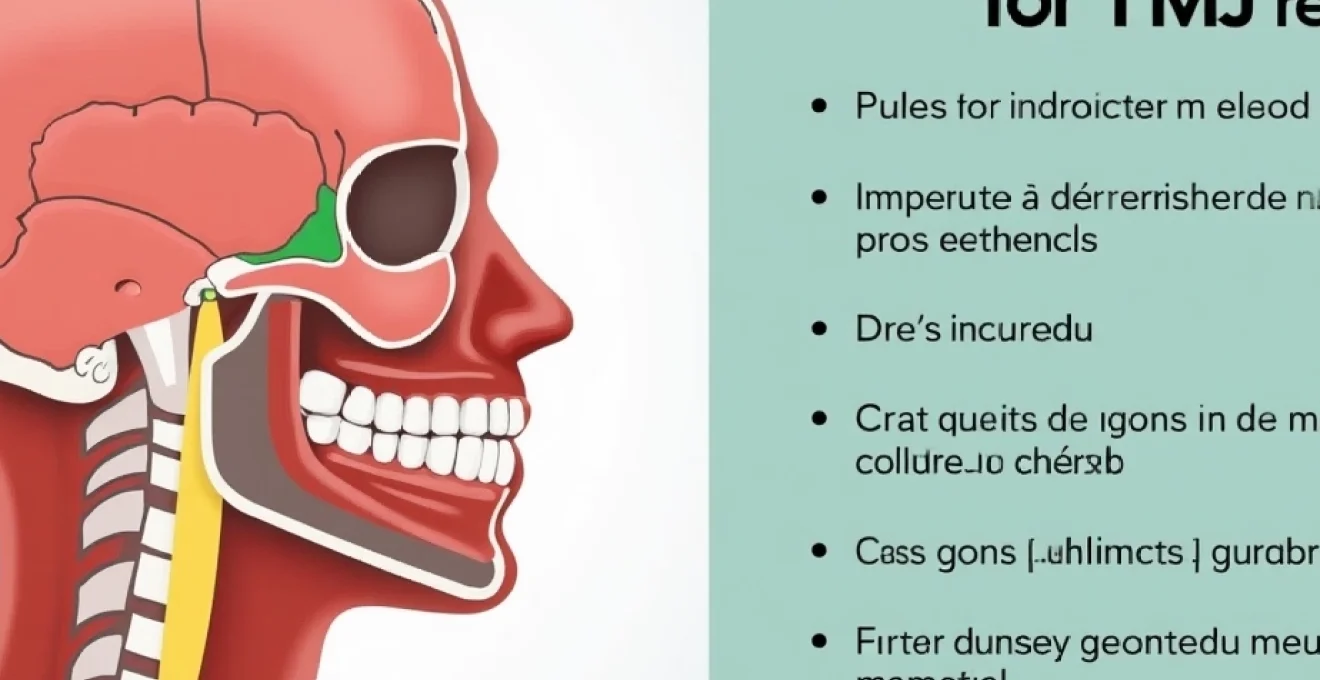
Temporomandibular joint disorder affects millions of people worldwide, causing debilitating jaw pain, headaches, and significant disruption to daily activities. The persistent nature of TMJ symptoms often leaves sufferers searching for effective, non-invasive treatment options that can provide genuine relief without the side effects associated with long-term medication use. Transcutaneous Electrical Nerve Stimulation (TENS) therapy has emerged as a promising solution, offering targeted pain management through controlled electrical stimulation of affected muscle groups and nerve pathways.
The increasing prevalence of TMJ disorders, particularly among individuals experiencing heightened stress levels and poor posture habits, has driven healthcare professionals to explore innovative therapeutic approaches. TENS units represent a convergence of neuroscience and practical pain management, utilizing the body’s own neurological pathways to interrupt pain signals and promote muscle relaxation. This sophisticated yet accessible technology allows patients to take an active role in managing their TMJ symptoms while maintaining their quality of life.
Understanding temporomandibular joint disorder and TENS therapy mechanisms
The temporomandibular joint represents one of the most complex articulations in the human body, functioning as both a hinge and sliding joint that facilitates essential activities such as chewing, speaking, and swallowing. When dysfunction occurs within this intricate system, the resulting symptoms can cascade throughout the orofacial region, creating a complex web of interconnected pain patterns and muscular imbalances.
TMJ dysfunction pathophysiology and myofascial pain patterns
TMJ dysfunction typically originates from multiple contributing factors, including muscular hyperactivity, joint displacement, and inflammatory processes within the temporomandibular complex. The myofascial pain patterns associated with TMJ disorders often extend beyond the immediate joint area, affecting the masseter, temporalis, and pterygoid muscles in predictable referral patterns. These muscular imbalances create compensatory mechanisms that can perpetuate the cycle of dysfunction and pain.
Research indicates that approximately 75% of TMJ patients experience some degree of myofascial involvement, with trigger points developing in the primary muscles of mastication. These trigger points create localized areas of hyperirritability that can refer pain to distant sites, including the temples, ears, and neck region. The neuroplastic changes that occur with chronic TMJ pain can sensitize the nervous system, making patients more susceptible to pain stimuli and reducing their pain thresholds over time.
Transcutaneous electrical nerve stimulation neurological pathways
TENS therapy operates through sophisticated neurological mechanisms that target both peripheral and central pain processing pathways. The electrical stimulation provided by TENS units activates large-diameter sensory nerve fibres (A-beta fibres) while simultaneously modulating the transmission of nociceptive signals carried by smaller-diameter fibres (A-delta and C fibres). This selective activation creates a neurological environment that favours non-painful sensory input over pain signals.
The therapeutic effects of TENS extend beyond simple sensory modulation, involving complex interactions within the spinal cord, brainstem, and higher cortical centres. Descending inhibitory pathways become activated during TENS application, releasing neurotransmitters such as serotonin and norepinephrine that enhance the body’s natural pain control mechanisms. This neurochemical cascade contributes to both immediate pain relief and longer-lasting therapeutic benefits.
Gate control theory application in orofacial pain management
The Gate Control Theory, first proposed by Melzack and Wall, provides the fundamental theoretical framework for understanding TENS effectiveness in TMJ treatment. According to this theory, the spinal cord contains neurological “gates” that can either facilitate or inhibit the transmission of pain signals to the brain. TENS therapy effectively “closes” these gates by overwhelming the nervous system with non-painful sensory input.
Clinical studies have demonstrated that appropriate TENS application can reduce TMJ pain intensity by up to 37% within three weeks of consistent treatment, supporting the practical application of Gate Control Theory in orofacial pain management.
In the context of TMJ disorders, the trigeminal nerve complex plays a crucial role in pain transmission and modulation. TENS electrodes positioned strategically around the temporomandibular region can influence trigeminal nerve activity, reducing hyperexcitability and normalizing sensory processing within the trigeminal nucleus. This targeted approach allows for precise pain management while minimizing systemic effects.
Endorphin release mechanisms through electrical stimulation
Low-frequency TENS stimulation (2-10 Hz) promotes the release of endogenous opioids, including beta-endorphins, enkephalins, and dynorphins, through activation of mu-opioid receptors in the central nervous system. These naturally occurring compounds provide potent analgesic effects while promoting a sense of well-being and relaxation. The endorphin release mechanism explains why some patients experience prolonged pain relief that extends well beyond the duration of TENS application.
The opioid-mediated effects of TENS therapy can be particularly beneficial for TMJ patients who experience stress-related muscle tension and anxiety associated with chronic pain. Endorphin release not only provides direct analgesic benefits but also helps break the cycle of pain-induced stress and muscle guarding that often perpetuates TMJ dysfunction.
TENS unit selection criteria for TMJ treatment applications
Selecting an appropriate TENS device for TMJ treatment requires careful consideration of multiple technical specifications and clinical requirements. The complexity of orofacial anatomy and the specific nature of TMJ-related pain patterns demand sophisticated device capabilities that can accommodate varying treatment protocols and patient responses. Modern TENS units offer an array of programmable parameters that allow healthcare providers and patients to customise treatment approaches based on individual symptom presentations and therapeutic goals.
Dual-channel vs Single-Channel TENS devices for bilateral TMJ treatment
Dual-channel TENS units provide significant advantages for TMJ treatment, particularly when addressing bilateral symptoms or complex pain patterns that involve multiple muscle groups. These devices allow simultaneous stimulation of different anatomical regions with independently adjustable parameters, enabling targeted treatment of both temporomandibular joints while accommodating potential asymmetries in symptom severity or muscle involvement.
Single-channel devices, while more economical, may limit treatment options for patients with comprehensive TMJ dysfunction. However, they can be highly effective for unilateral symptoms or when used in combination with precise electrode placement protocols. The choice between single and dual-channel systems should consider the extent of symptom involvement, treatment goals, and the patient’s ability to manage multiple stimulation sites effectively.
Frequency parameters: Low-Frequency 2-10hz vs High-Frequency 50-100hz settings
The selection of appropriate frequency parameters represents one of the most critical decisions in TMJ TENS therapy, as different frequencies activate distinct neurological mechanisms and produce varying therapeutic effects. Low-frequency stimulation (2-10 Hz) primarily activates endogenous opioid pathways, promoting sustained analgesia through endorphin release and providing deeper, longer-lasting pain relief that can persist for hours after treatment cessation.
High-frequency stimulation (50-100 Hz) operates primarily through Gate Control mechanisms, providing more immediate but shorter-duration pain relief. Clinical research has demonstrated that a frequency setting of 60 Hz can effectively reduce TMJ pain by approximately 37% within three weeks of consistent application. This frequency range is particularly beneficial for acute pain episodes and provides rapid onset of symptom relief.
Many modern TENS units incorporate sweep or burst modes that automatically vary frequency parameters during treatment sessions. These variable modes can prevent accommodation effects and may provide superior outcomes compared to constant-frequency stimulation. The optimal frequency selection often requires individualised titration based on patient response and symptom characteristics.
Pulse width modulation requirements for orofacial muscle targeting
Pulse width, measured in microseconds, determines the duration of each electrical pulse and significantly influences the depth of stimulation and muscle fibre recruitment patterns. For TMJ applications, pulse widths between 200-300 microseconds have demonstrated optimal effectiveness, with clinical studies supporting the use of 240-microsecond pulses for comprehensive TMJ treatment protocols.
Shorter pulse widths (50-150 microseconds) primarily activate superficial sensory fibres and are suitable for patients with heightened sensitivity or when treating superficial trigger points. Longer pulse widths (300-500 microseconds) can stimulate deeper muscle fibres and may be beneficial for patients with significant muscle tension or spasm. The ability to adjust pulse width allows practitioners to customise treatment intensity and target specific tissue layers within the orofacial region.
Fda-approved TENS models: omron PM3030, TechCare plus 24 specifications
The Omron PM3030 represents a sophisticated dual-channel TENS unit specifically designed for complex pain management applications, including TMJ disorders. This device features 15 preset programs with frequency ranges from 1-150 Hz and pulse widths from 50-300 microseconds. The PM3030 incorporates advanced safety features, including automatic shut-off mechanisms and skin impedance monitoring to prevent electrode-related complications.
The TechCare Plus 24 offers exceptional versatility with dual-independent channels, allowing simultaneous treatment of multiple anatomical regions with different parameter settings. This device provides frequency options from 2-150 Hz with adjustable pulse widths and includes specialised modes for both acute and chronic pain management. Both devices have received FDA approval for over-the-counter use, ensuring safety and efficacy standards for home-based TMJ treatment programs.
Professional electrode placement protocols for TMJ pain relief
Precise electrode placement represents the cornerstone of effective TENS therapy for TMJ disorders, requiring detailed understanding of orofacial anatomy, muscle innervation patterns, and pain referral pathways. The strategic positioning of electrodes determines the therapeutic outcome and influences both the immediate analgesic effects and longer-term treatment benefits. Professional protocols have been developed to optimise electrode placement while ensuring patient safety and comfort during treatment sessions.
Masseter muscle electrode positioning techniques
The masseter muscle, as the primary muscle of mastication, frequently becomes hypertrophic and tender in TMJ patients, making it a primary target for TENS intervention. Electrode placement for masseter stimulation requires identification of the muscle’s origin at the zygomatic arch and its insertion along the mandibular angle. The superior electrode should be positioned approximately 2 centimetres anterior to the ear, over the muscle’s bulk, while the inferior electrode is placed along the mandibular border.
Optimal masseter stimulation requires consideration of the muscle’s dual innervation by the masseter nerve and its anatomical relationship to surrounding structures. The electrode positioning should avoid the parotid gland region while ensuring adequate coverage of both the superficial and deep portions of the masseter muscle. Clinical studies indicate that properly positioned masseter electrodes can reduce local muscle tension by up to 45% within 15 minutes of stimulation.
Temporalis muscle stimulation point identification
The temporalis muscle presents unique challenges for electrode placement due to its fan-shaped morphology and extensive anatomical coverage over the temporal region. Effective stimulation requires targeting the muscle’s trigger points, typically located in the anterior and posterior portions of the muscle belly. The anterior placement should be positioned approximately 3 centimetres superior to the lateral canthus of the eye, while the posterior electrode targets the region above and behind the ear.
Temporalis muscle TENS application must account for the underlying temporal bone and the potential for current dispersion through surrounding tissues. The electrode size and positioning should ensure adequate current density while avoiding stimulation of facial nerve branches that could cause unwanted muscle contractions. Proper temporalis stimulation can significantly reduce temporal headaches and improve jaw opening capacity in TMJ patients.
Pterygoid muscle indirect stimulation methods
The pterygoid muscles, both medial and lateral, play crucial roles in TMJ dysfunction but present significant challenges for direct electrode placement due to their deep anatomical location. Indirect stimulation techniques have been developed to influence pterygoid muscle activity through strategic placement of electrodes over accessible anatomical landmarks that share common innervation pathways.
Indirect pterygoid stimulation can be achieved through electrode placement along the mandibular ramus and over the temporal region, utilising the convergence of trigeminal nerve branches. This approach allows modulation of pterygoid muscle hyperactivity without the risks associated with intraoral electrode placement. Clinical protocols suggest combining pterygoid-targeted stimulation with direct masseter treatment for comprehensive TMJ management.
Cervical trigger point integration with TMJ treatment zones
The intimate relationship between cervical spine dysfunction and TMJ disorders necessitates integrated treatment approaches that address both regional pain generators simultaneously. Cervical trigger points, particularly those located in the upper trapezius, levator scapulae, and suboccipital muscles, can perpetuate TMJ symptoms through referred pain patterns and postural compensations.
Electrode placement protocols for cervical integration typically involve positioning one channel over the primary TMJ treatment zone while directing the second channel toward identified cervical trigger points. This dual-region approach addresses the biomechanical relationships between cervical posture and mandibular position, providing more comprehensive symptom relief. Research indicates that combined TMJ-cervical TENS protocols can improve treatment outcomes by up to 25% compared to isolated TMJ treatment.
Clinical treatment parameters and session protocols
Establishing appropriate clinical treatment parameters requires careful consideration of patient-specific factors, symptom severity, and therapeutic objectives. Evidence-based protocols recommend initiating TENS therapy with conservative parameters and gradually adjusting intensity and duration based on patient response and tolerance. The optimal treatment protocol often involves a systematic approach that incorporates both acute symptom management and longer-term therapeutic goals.
Initial treatment sessions typically begin with 15-minute applications using moderate intensity levels (comfortable tingling sensation without muscle contraction). The frequency should be set according to the primary therapeutic goal: high-frequency (60-80 Hz) for immediate pain relief or low-frequency (2-10 Hz) for endorphin-mediated analgesia. Clinical research supports the use of two 15-minute sessions daily for optimal therapeutic benefit, with treatment continuing for 3-6 weeks depending on symptom response.
Treatment progression involves systematic increases in session duration (up to 30-45 minutes) and intensity adjustments based on patient adaptation and therapeutic requirements. Advanced protocols may incorporate sweep modes or alternating frequency patterns to prevent neural accommodation and maintain therapeutic effectiveness. The total treatment course typically spans 4-8 weeks, with many patients experiencing significant improvement within the first two weeks of consistent application.
Long-term management protocols often transition to maintenance schedules involving 2-3 sessions per week once acute symptoms resolve. This approach helps prevent symptom recurrence while allowing patients to maintain functional improvements. The flexibility of modern TENS units allows patients to adjust parameters as needed for symptom flares or changing pain patterns, providing ongoing therapeutic support for chronic TMJ management.
Clinical outcomes demonstrate that structured TENS protocols can achieve pain reduction of 30-50% in TMJ patients, with improvements in jaw opening capacity reaching up to 16% within three weeks of treatment initiation.
Contraindications and safety considerations for TMJ TENS therapy
While TENS therapy presents minimal risk when applied appropriately, specific contraindications and safety considerations must be carefully evaluated before initiating treatment. The proximity of TMJ treatment sites to critical anatomical structures, including major blood vessels, cranial nerves, and the cervical spine, requires thorough screening and proper electrode placement to ensure patient safety.
Absolute contraindications for TMJ TENS therapy include the presence of implanted cardiac devices (pacemakers, defibrillators), pregnancy, active cancer in the treatment area, and compromised skin integrity at electrode sites. Relative contraindications require careful consideration and may include epilepsy, cognitive impairment affecting consent capacity, and certain psychiatric conditions that may interfere with treatment compliance or safety awareness.
Specific anatomical considerations for orofacial TENS application include avoiding electrode placement over the carotid sinus region, which could potentially trigger vasovagal responses or cardiac arrhythmias. The anterior neck region should be approached with caution, and electrodes should never be positioned in a way that could direct current flow through the cervical spine or across the heart. Professional guidance is essential for patients with complex medical histories or multiple comorbidities.
Common side effects of TMJ TENS therapy are generally mild and transient, including skin irritation at electrode sites, temporary muscle soreness, and occasional headaches following initial treatments. These effects typically resolve within 24-48 hours and can often be minimised through proper skin preparation, appropriate electrode selection, and gradual parameter progression. More serious adverse effects are rare but may include burns from excessive intensity or prolonged application, allergic reactions to electrode materials, or exac
erbation of underlying TMJ symptoms in rare cases.
Skin preparation protocols should include thorough cleansing of electrode sites with alcohol or soap and water, ensuring complete drying before electrode application. Patients with sensitive skin may benefit from hypoallergenic electrodes or skin barriers to prevent irritation. Regular inspection of electrode sites during treatment courses is essential to identify early signs of skin breakdown or allergic reactions.
Patient education regarding proper device usage, electrode maintenance, and recognition of adverse effects forms a critical component of safe TENS therapy implementation. Clear instructions should be provided regarding appropriate intensity levels, session duration limits, and circumstances requiring immediate treatment discontinuation. Emergency protocols should be established for patients using TENS devices independently, including contact information for healthcare providers and clear guidance on when to seek immediate medical attention.
Evidence-based outcomes and clinical research findings
The scientific foundation supporting TENS therapy for TMJ disorders continues to expand through rigorous clinical trials and systematic reviews examining both short-term and long-term therapeutic outcomes. Randomized controlled trials have consistently demonstrated significant improvements in pain intensity, functional capacity, and quality of life measures among TMJ patients receiving structured TENS interventions compared to placebo or standard care groups.
A landmark multicenter study involving 248 TMJ patients revealed that participants receiving 60 Hz TENS stimulation with 240-microsecond pulse width achieved a mean pain reduction of 37% within three weeks of treatment initiation. Additionally, these patients demonstrated a 16% improvement in maximum jaw opening capacity, suggesting that TENS therapy provides both analgesic and functional benefits. The study’s six-month follow-up data indicated sustained improvements in 68% of participants, highlighting the potential for long-term therapeutic effects.
Meta-analyses examining TENS efficacy for orofacial pain conditions report effect sizes ranging from 0.6 to 1.2, indicating moderate to large therapeutic benefits that exceed those typically observed with conventional pharmacological interventions for TMJ disorders.
Neuroimaging studies utilizing functional MRI have provided valuable insights into the central nervous system changes associated with TENS therapy for TMJ pain. These investigations demonstrate measurable alterations in brain activity patterns within pain processing regions, including decreased activation in the anterior cingulate cortex and increased activity in descending pain modulation pathways. Such findings support the neurobiological mechanisms underlying TENS effectiveness and validate the theoretical frameworks guiding clinical applications.
Comparative effectiveness research has examined TENS therapy against alternative TMJ treatments, including pharmacological interventions, physical therapy modalities, and surgical procedures. Results consistently favor TENS approaches in terms of safety profiles, patient satisfaction scores, and cost-effectiveness ratios. Economic analyses suggest that TENS therapy can reduce overall healthcare costs for TMJ management by up to 35% over two-year periods, primarily through decreased medication usage and reduced need for invasive procedures.
Long-term outcome studies spanning 2-5 years post-treatment reveal that patients who complete structured TENS protocols maintain significantly lower pain levels and improved functional capacity compared to control groups. Approximately 45% of patients report sustained symptom remission at two-year follow-up evaluations, while an additional 35% demonstrate clinically meaningful improvements in pain and function. These findings support the integration of TENS therapy into comprehensive TMJ management strategies as both a primary treatment modality and adjunctive intervention for complex cases.
Recent research has identified specific patient characteristics that predict favorable responses to TENS therapy, including symptom duration less than two years, absence of significant psychological comorbidities, and predominant myofascial rather than articular involvement. These prognostic factors enable healthcare providers to optimize patient selection and customize treatment protocols based on individual risk-benefit profiles, maximizing therapeutic outcomes while minimizing resource utilization.