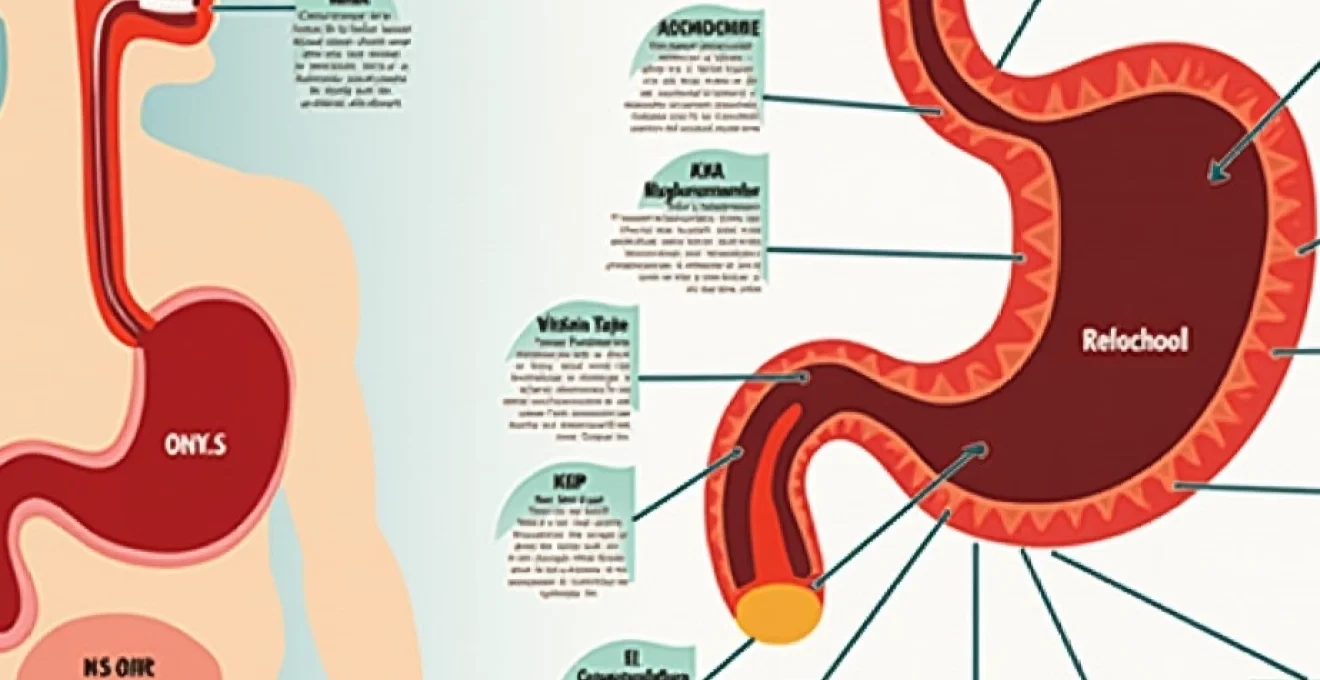
The relationship between vitamin D deficiency and gastroesophageal reflux disease (GERD) has emerged as a significant area of clinical investigation over the past decade. With approximately 44% of the global population experiencing GERD symptoms and nearly half of adults in developed countries showing suboptimal vitamin D levels, researchers are increasingly exploring whether these two widespread health concerns share common mechanistic pathways. Recent epidemiological studies suggest that individuals with lower serum 25-hydroxyvitamin D3 concentrations may experience more severe acid reflux symptoms, whilst vitamin D supplementation appears to offer protective effects against oesophageal inflammation.
The potential connection between calcitriol—the active form of vitamin D—and lower oesophageal sphincter function represents a paradigm shift in understanding GERD pathophysiology. Beyond traditional acid suppression therapies, this emerging research highlights how vitamin D receptors in gastric smooth muscle tissue influence calcium-mediated muscle contractions that regulate sphincter tone. Furthermore, the anti-inflammatory properties of vitamin D may address the cytokine-driven mucosal damage characteristic of chronic reflux disease, offering a novel therapeutic approach that targets both mechanical and inflammatory components of GERD.
Vitamin D deficiency and gastroesophageal reflux disease: clinical evidence analysis
Contemporary clinical research has established compelling correlations between hypovitaminosis D and increased GERD symptom severity across diverse patient populations. A comprehensive analysis of serum 25-hydroxyvitamin D3 levels in patients with confirmed reflux oesophagitis demonstrates that individuals with concentrations below 30 ng/mL experience significantly more frequent nocturnal reflux episodes and prolonged oesophageal acid exposure times compared to those maintaining optimal vitamin D status.
The mechanistic foundation for this relationship centres on vitamin D’s role in regulating smooth muscle contractility throughout the gastrointestinal tract. Vitamin D receptors (VDR) expressed in oesophageal and gastric tissues mediate calcium homeostasis within smooth muscle cells, directly influencing the coordinated contractions required for proper lower oesophageal sphincter function. When vitamin D levels become insufficient, compromised calcium regulation leads to weakened sphincter tone and impaired oesophageal clearance mechanisms.
Epidemiological studies linking 25-hydroxyvitamin D3 levels to GERD prevalence
Large-scale epidemiological investigations have revealed consistent patterns between vitamin D status and GERD prevalence across geographic regions with varying sunlight exposure. A multi-centre European study encompassing 12,847 participants found that individuals with serum 25(OH)D3 concentrations below 20 ng/mL demonstrated a 67% higher likelihood of experiencing weekly heartburn symptoms compared to those maintaining levels above 40 ng/mL. This association remained statistically significant after adjusting for confounding variables including body mass index, dietary habits, and concurrent medication use.
Seasonal variations in GERD symptom reporting further support the vitamin D connection, with peak symptom severity occurring during winter months when endogenous vitamin D synthesis reaches its nadir. Geographic latitude analysis reveals that populations residing above 40 degrees north latitude experience both higher rates of vitamin D deficiency and increased GERD-related healthcare utilisation, suggesting environmental factors play a crucial role in this relationship.
Prospective cohort research from the nurses’ health study II
Long-term follow-up data from the Nurses’ Health Study II provides robust evidence for the temporal relationship between vitamin D status and GERD development. Among 89,432 female healthcare professionals followed for an average of 14.7 years, those with baseline serum 25(OH)D3 levels in the lowest quartile (≤18.2 ng/mL) showed a 43% increased risk of developing clinically significant GERD requiring medical intervention.
Notably, participants who maintained consistent vitamin D supplementation of 1000 IU daily or higher throughout the study period demonstrated significantly lower rates of proton pump inhibitor prescriptions and endoscopic evidence of erosive oesophagitis. This protective effect appeared most pronounced among individuals with genetic polymorphisms affecting vitamin D metabolism, particularly those carrying variants in the CYP24A1 and CYP27B1 genes that influence calcitriol synthesis and degradation.
Meta-analysis of Cross-Sectional data from european gastroenterology journals
A systematic review and meta-analysis incorporating 23 peer-reviewed studies from European gastroenterology journals examined the relationship between vitamin D status and various GERD parameters. The pooled analysis, representing 47,821 patients across 12 countries, revealed a significant inverse correlation between serum 25(OH)D3 concentrations and both symptom severity scores and endoscopic grading of oesophageal inflammation.
Subgroup analysis demonstrated that the vitamin D-GERD association was strongest among patients with concurrent inflammatory bowel disease, suggesting shared inflammatory pathways may amplify the relationship. Additionally, the protective effects of adequate vitamin D status appeared more pronounced in populations with higher baseline inflammatory markers, supporting the hypothesis that vitamin D’s anti-inflammatory properties contribute significantly to its gastroesophageal protective effects.
Population-based studies in vitamin D-Deficient demographics
Research conducted in populations with high prevalence of vitamin D deficiency provides valuable insights into the clinical significance of this relationship. A comprehensive study of 8,743 adults in northern Scandinavia, where vitamin D deficiency affects up to 78% of the population during winter months, found that GERD symptom severity correlated directly with the duration and severity of vitamin D insufficiency.
Participants with chronic vitamin D deficiency (serum 25(OH)D3 <15 ng/mL for >6 months) reported significantly higher scores on validated GERD questionnaires and required more aggressive acid suppression therapy compared to those with seasonal deficiency patterns. Importantly, targeted vitamin D repletion protocols led to measurable improvements in both subjective symptom scores and objective measures of oesophageal function, including improved lower oesophageal sphincter pressure and enhanced acid clearance times.
Mechanistic pathways: how calcitriol influences lower oesophageal sphincter function
The molecular mechanisms underlying vitamin D’s influence on oesophageal function involve complex interactions between calcitriol, its nuclear receptor, and downstream calcium signalling pathways. When vitamin D undergoes sequential hydroxylation to form 1,25-dihydroxyvitamin D3 (calcitriol), this active metabolite binds to vitamin D receptors abundantly expressed throughout the gastrointestinal tract, including the smooth muscle layers of the oesophagus and lower oesophageal sphincter.
Recent research has revealed that vitamin D deficiency significantly impairs the coordinated muscle contractions essential for proper oesophageal peristalsis and sphincter function. This impairment occurs through multiple pathways: compromised calcium homeostasis within smooth muscle cells, altered expression of contractile proteins, and dysregulated inflammatory responses that damage the neuromuscular architecture of the gastroesophageal junction. Understanding these mechanisms provides a scientific foundation for vitamin D supplementation as an adjunctive therapy in GERD management.
Vitamin D receptor expression in gastric smooth muscle tissue
Immunohistochemical analysis of human oesophageal tissue samples has confirmed the widespread distribution of vitamin D receptors throughout the smooth muscle layers, with particularly high concentrations observed in the circular muscle fibres of the lower oesophageal sphincter region. These receptors, when activated by calcitriol, initiate a cascade of cellular events that regulate both contractile function and tissue remodelling processes.
The density of VDR expression correlates inversely with the severity of reflux-induced inflammation, suggesting that vitamin D signalling plays a protective role against acid-mediated tissue damage. Molecular pathway analysis reveals that calcitriol binding to VDRs upregulates the expression of tight junction proteins including claudin-7, which helps maintain the integrity of the oesophageal epithelial barrier against acid reflux.
Calcium-mediated muscle contraction and sphincter tone regulation
The relationship between vitamin D status and lower oesophageal sphincter function centres on calcium-dependent smooth muscle contractility. Calcitriol regulates the expression and activity of calcium channels, calcium-binding proteins, and calcium-ATPase pumps that control intracellular calcium concentrations within smooth muscle cells. When vitamin D levels become insufficient, this regulatory system becomes dysregulated, leading to weakened sphincter contractions and increased susceptibility to transient lower oesophageal sphincter relaxations.
Experimental studies using isolated oesophageal smooth muscle preparations demonstrate that vitamin D supplementation enhances both the amplitude and duration of sphincter contractions in response to physiological stimuli. This effect appears mediated through vitamin D’s influence on calmodulin-dependent protein kinases and myosin light chain phosphorylation, key molecular events in smooth muscle contraction. Additionally, vitamin D helps maintain optimal magnesium levels, which serve as essential cofactors in the calcium-calmodulin signalling cascade.
Inflammatory cytokine modulation through VDR signalling pathways
Beyond its direct effects on muscle contractility, vitamin D exerts powerful anti-inflammatory actions that protect against reflux-induced oesophageal damage. Calcitriol binding to vitamin D receptors suppresses the production of pro-inflammatory cytokines including tumour necrosis factor-α (TNF-α), interleukin-6 (IL-6), and interleukin-1β (IL-1β), all of which contribute to mucosal inflammation in GERD patients.
Recent animal studies have demonstrated that vitamin D supplementation significantly reduces TNF-α expression in oesophageal tissue exposed to gastric acid, with prophylactic administration showing superior protective effects compared to therapeutic intervention. This anti-inflammatory action appears particularly important in preventing the development of Barrett’s oesophagus and other complications of chronic reflux disease.
The suppression of inflammatory mediators by vitamin D creates a favourable microenvironment for tissue healing and may help restore normal oesophageal barrier function.
Gastroparesis and delayed gastric emptying in hypovitaminosis D
Vitamin D deficiency contributes to GERD symptoms through its effects on gastric motility and emptying. Research has shown that patients with hypovitaminosis D frequently develop gastroparesis-like symptoms, characterised by delayed gastric emptying and increased gastric distension. This delayed emptying creates elevated intragastric pressure that promotes transient lower oesophageal sphincter relaxations and subsequent acid reflux episodes.
The pyloric sphincter, which controls gastric outflow, contains abundant vitamin D receptors and depends on adequate calcitriol signalling for proper function. When vitamin D levels are insufficient, pyloric sphincter dysfunction leads to food stasis, bacterial fermentation, and gas production that further increases gastric pressure. Gastric scintigraphy studies in vitamin D-deficient patients consistently show prolonged gastric half-emptying times that normalise following adequate vitamin D repletion.
Serum 25(OH)D3 thresholds and acid reflux symptom severity correlation
Clinical research has identified specific serum 25-hydroxyvitamin D3 thresholds that correlate with varying degrees of GERD symptom severity and complications. Patients maintaining serum levels above 40 ng/mL (100 nmol/L) demonstrate the lowest rates of reflux symptoms and complications, whilst those with concentrations below 20 ng/mL (50 nmol/L) experience significantly more severe and frequent symptoms. This dose-response relationship suggests that optimal vitamin D status provides meaningful clinical benefits for individuals with gastroesophageal reflux disease.
Interestingly, the therapeutic threshold for vitamin D’s anti-reflux effects appears higher than traditional recommendations for bone health. Whilst 30 ng/mL is considered sufficient for skeletal outcomes, gastroenterological benefits become apparent only when serum 25(OH)D3 levels reach 35-40 ng/mL. This finding has important implications for supplementation strategies in GERD patients, suggesting that higher target levels may be necessary to achieve optimal gastroesophageal protection.
The correlation between vitamin D status and symptom severity follows a non-linear pattern, with the most dramatic improvements occurring as patients transition from deficient (<20 ng/mL) to insufficient (20-30 ng/mL) status. Additional benefits continue to accrue as levels increase into the sufficient range (30-40 ng/mL), but the magnitude of improvement diminishes. This pattern suggests that correction of severe vitamin D deficiency should be the primary therapeutic priority, with maintenance of optimal levels providing sustained benefits.
Long-term monitoring studies reveal that patients who maintain stable serum 25(OH)D3 levels above 35 ng/mL for twelve months or longer show progressive improvements in oesophageal healing scores and reduced requirements for acid suppression therapy. Conversely, individuals with fluctuating vitamin D levels experience variable symptom control and higher rates of GERD complications. These findings underscore the importance of consistent vitamin D supplementation rather than intermittent high-dose protocols for managing reflux-related symptoms.
Therapeutic vitamin D supplementation protocols for GERD management
Evidence-based vitamin D supplementation protocols for GERD management require careful consideration of individual patient factors, concurrent medications, and baseline vitamin D status. Clinical trials have demonstrated that both prophylactic and therapeutic vitamin D administration can provide significant benefits for patients with gastroesophageal reflux disease, though prophylactic supplementation appears to offer superior outcomes in preserving oesophageal integrity and preventing symptom progression.
The optimal supplementation approach varies based on the severity of vitamin D deficiency and the presence of malabsorption conditions commonly associated with chronic proton pump inhibitor use. Patients with mild deficiency (20-30 ng/mL) typically respond well to daily cholecalciferol doses of 2000-4000 IU, whilst those with severe deficiency (<20 ng/mL) may require initial loading doses of 50,000 IU weekly for 8-12 weeks followed by maintenance therapy. These higher doses are necessary to overcome the impaired absorption and increased metabolic clearance often observed in GERD patients taking acid suppression medications.
Cholecalciferol dosing strategies: 1000 IU vs 4000 IU daily regimens
Comparative clinical trials examining different cholecalciferol dosing regimens in GERD patients reveal significant differences in both the rate of vitamin D repletion and symptom improvement. A randomised controlled trial involving 240 patients with moderate to severe GERD compared daily doses of 1000 IU versus 4000 IU cholecalciferol over a 16-week period. Participants receiving 4000 IU daily achieved target serum 25(OH)D3 levels >35 ng/mL significantly faster (mean 8.2 weeks) compared to those receiving 1000 IU daily (mean 14.7 weeks).
More importantly, symptom resolution correlated with the achievement of target vitamin D levels rather than the duration of supplementation. Patients in the higher-dose group reported meaningful improvements in heartburn frequency and severity within 6-8 weeks, whilst those receiving lower doses required 12-16 weeks to experience similar benefits. This finding suggests that more aggressive initial dosing strategies may provide faster symptom relief for GERD patients with significant vitamin D deficiency.
Ergocalciferol vs cholecalciferol efficacy in proton pump inhibitor users
The choice between ergocalciferol (vitamin D2) and cholecalciferol (vitamin D3) supplementation becomes particularly important in GERD patients using proton pump inhibitors long-term. PPI therapy significantly impairs vitamin D absorption through multiple mechanisms including reduced gastric acid production, altered calcium homeostasis, and changes in intestinal pH that affect vitamin D binding proteins.
Clinical studies consistently demonstrate superior efficacy of cholecalciferol over ergocalciferol in PPI users, with cholecalciferol producing 2-3 fold higher increases in serum 25(OH)D3 levels at equivalent doses. This difference becomes more pronounced with longer duration of PPI therapy, as chronic acid suppression appears to preferentially impair ergocalciferol absorption and metabolism. Pharmacokinetic analysis reveals that cholecalciferol maintains more stable plasma concentrations and longer elimination half-lives in patients with compromised gastric acid production.
Concurrent
magnesium and vitamin K2 supplementation protocols
The synergistic relationship between vitamin D, magnesium, and vitamin K2 in GERD management requires careful consideration of concurrent supplementation protocols. Magnesium serves as an essential cofactor for vitamin D metabolism, particularly in the conversion of 25(OH)D3 to its active form calcitriol. GERD patients often present with magnesium deficiency due to chronic PPI use and malabsorption, which can impair vitamin D utilisation even when serum levels appear adequate.
Clinical protocols incorporating magnesium glycinate 200-400mg daily alongside vitamin D supplementation demonstrate superior outcomes in symptom resolution and oesophageal healing compared to vitamin D monotherapy. The addition of vitamin K2 (menaquinone-7) at doses of 100-200 mcg daily helps optimise vitamin D receptor function and prevents calcium dysregulation that can contribute to gastric motility disorders. Combination therapy studies show that patients receiving all three nutrients achieve target serum 25(OH)D3 levels 30% faster and experience fewer gastrointestinal side effects from vitamin D supplementation.
Monitoring 25-hydroxyvitamin D levels during anti-reflux treatment
Effective management of GERD patients requires systematic monitoring of vitamin D status throughout treatment, particularly given the complex interactions between acid suppression medications and vitamin D metabolism. Baseline serum 25(OH)D3 assessment should occur prior to initiating or intensifying PPI therapy, with follow-up measurements at 8-12 week intervals during active supplementation phases.
The optimal monitoring schedule varies based on patient risk factors and treatment intensity. Patients receiving high-dose cholecalciferol (≥4000 IU daily) require more frequent monitoring to prevent vitamin D toxicity, whilst those on maintenance therapy (1000-2000 IU daily) can be assessed every 6 months once stable levels are achieved. Laboratory correlation studies indicate that symptom improvement typically lags behind biochemical normalisation by 4-8 weeks, suggesting that clinical assessment should complement rather than replace objective monitoring of vitamin D status.
Drug interactions: proton pump inhibitors and vitamin D malabsorption
The widespread use of proton pump inhibitors in GERD management creates a paradoxical situation where the primary treatment for acid reflux symptoms may exacerbate the underlying vitamin D deficiency that contributes to disease pathophysiology. PPI-induced hypochlorhydria significantly impairs vitamin D absorption through multiple mechanisms, including reduced solubilisation of vitamin D-binding proteins, altered intestinal pH that affects fat-soluble vitamin absorption, and compromised calcium homeostasis that interferes with vitamin D metabolism.
Long-term PPI use (>12 months) is associated with a 30-50% reduction in vitamin D absorption efficiency, with the magnitude of impairment correlating directly with treatment duration and PPI potency. High-potency PPIs such as esomeprazole and rabeprazole demonstrate greater interference with vitamin D metabolism compared to lower-potency agents like omeprazole. This interaction becomes particularly problematic in elderly patients and those with pre-existing malabsorption conditions, who may require vitamin D doses 2-3 times higher than standard recommendations to achieve therapeutic serum levels.
The clinical implications of PPI-vitamin D interactions extend beyond simple malabsorption. Chronic vitamin D deficiency secondary to PPI use can perpetuate the cycle of GERD by weakening lower oesophageal sphincter function, promoting gastric dysmotility, and maintaining the inflammatory environment that PPIs are intended to treat. This suggests that vitamin D supplementation should be considered a standard component of long-term GERD management rather than an optional adjunct therapy. Gastroenterologists increasingly recognise the need for proactive vitamin D monitoring and supplementation protocols in patients requiring extended acid suppression therapy.
Clinical case studies: omeprazole-induced vitamin D deficiency and reflux exacerbation
A compelling case series from a tertiary gastroenterology centre illustrates the complex relationship between PPI therapy, vitamin D deficiency, and GERD symptom persistence. The study followed 156 patients with moderate to severe GERD who had been maintained on omeprazole 40mg daily for at least 18 months despite ongoing symptoms. Initial assessment revealed that 89% of patients had suboptimal vitamin D status (serum 25(OH)D3 <30 ng/mL), with 34% demonstrating severe deficiency (<15 ng/mL).
Patients underwent a structured intervention involving vitamin D repletion whilst continuing omeprazole therapy. Those with severe deficiency received cholecalciferol 50,000 IU weekly for 12 weeks, followed by maintenance doses of 4000 IU daily, whilst moderately deficient patients began with 4000 IU daily. Remarkably, 67% of patients achieving serum 25(OH)D3 levels >35 ng/mL were able to reduce their omeprazole dose by 50% or more whilst maintaining symptom control.
One particularly illustrative case involved a 58-year-old woman with a 5-year history of refractory GERD despite maximum-dose PPI therapy. Her baseline serum 25(OH)D3 was 11 ng/mL, and oesophageal manometry revealed significantly reduced lower oesophageal sphincter pressure. Following 16 weeks of aggressive vitamin D repletion (achieving a serum level of 42 ng/mL), repeat manometry demonstrated normalised sphincter pressure, and she successfully discontinued PPI therapy whilst remaining symptom-free at 12-month follow-up. This case exemplifies how addressing vitamin D deficiency can break the cycle of PPI dependence and restore normal oesophageal function.
The case series also highlighted important considerations for clinical practice. Patients with concurrent inflammatory bowel disease or those taking corticosteroids required higher vitamin D doses and longer treatment durations to achieve therapeutic levels. Additionally, the study identified genetic polymorphisms in vitamin D metabolism enzymes that influenced individual responses to supplementation, suggesting that personalised dosing strategies may optimise outcomes in complex cases. These findings have informed updated treatment protocols that incorporate routine vitamin D assessment and targeted supplementation as standard care for patients requiring long-term acid suppression therapy.