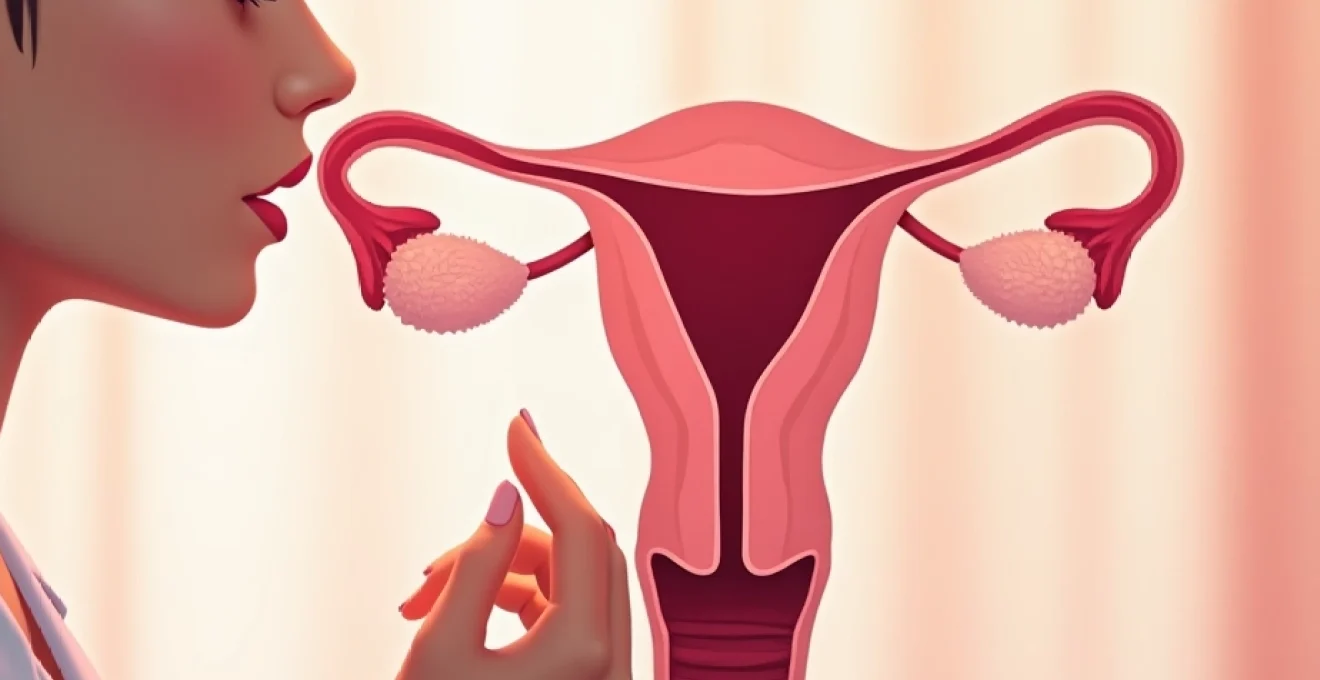
The natural taste of the vagina varies considerably among individuals and can encompass a spectrum from sweet to metallic, salty to sour. When experiencing a notably sour vaginal taste, many people wonder whether this indicates a health concern or represents normal physiological variation. The reality is that a sour taste often reflects the vagina’s healthy acidic environment, which serves as a crucial defence mechanism against harmful bacteria and infections. Understanding the complex interplay of factors that influence vaginal acidity can help distinguish between normal sourness and potential issues requiring medical attention. This natural acidity stems from intricate biochemical processes involving beneficial bacteria, hormonal fluctuations, and the body’s sophisticated self-regulating mechanisms.
Vaginal ph levels and natural acidity mechanisms
The vaginal environment maintains a delicate acidic balance that serves as the foundation for optimal reproductive health. This sophisticated ecosystem relies on multiple interconnected mechanisms to preserve its protective properties whilst responding to various internal and external influences.
Lactobacillus dominance in healthy vaginal microbiome
The healthy vaginal microbiome is predominantly populated by Lactobacillus species, which constitute approximately 95% of the bacterial community in reproductive-aged individuals. These beneficial bacteria create what researchers term a “lactobacillus-dominated microbiome,” characterised by their ability to maintain vaginal health through competitive exclusion of pathogenic organisms. The most common species include Lactobacillus crispatus , L. gasseri , L. iners , and L. jensenii , each contributing unique metabolic properties to the overall vaginal environment.
These microorganisms form protective biofilms on vaginal epithelial cells, creating a barrier against invading pathogens whilst producing various antimicrobial compounds. The dominance of lactobacilli directly correlates with the characteristic sour taste experienced by many individuals, as these bacteria are the primary producers of the organic acids responsible for vaginal acidity.
Lactic acid production through glycogen metabolism
The biochemical process underlying vaginal sourness begins with glycogen metabolism within vaginal epithelial cells. Under the influence of oestrogen, these cells accumulate glycogen, which serves as the primary substrate for lactobacilli fermentation. Through anaerobic glycolysis, lactobacilli convert glycogen into lactic acid , the predominant organic acid responsible for maintaining vaginal pH and contributing to the characteristic tangy or sour taste.
This metabolic pathway produces both L-lactic acid and D-lactic acid, with different lactobacillus species producing varying ratios of these stereoisomers. The concentration of lactic acid in vaginal fluid can reach levels of 55-111 mM, significantly higher than found in other body sites, creating an environment that is both protective and distinctly acidic in taste.
Normal ph range of 3.8 to 4.5 in reproductive years
During the reproductive years, a healthy vaginal pH typically ranges between 3.8 and 4.5, placing it firmly within the acidic spectrum. This pH range represents an optimal balance between maintaining protective acidity whilst avoiding excessive acidification that could damage beneficial bacteria or vaginal tissues. The sour taste associated with this pH level is completely normal and indicates a well-functioning vaginal ecosystem.
pH measurements below 3.8 may indicate excessive acidity, potentially causing discomfort or disrupting the microbiome, whilst pH levels above 4.5 suggest reduced acidity that may compromise natural defences against infections. Regular fluctuations within the normal range are expected and contribute to the varying intensity of sour taste experienced throughout different periods.
Hormonal fluctuations impact on acidic environment
Hormonal variations significantly influence vaginal acidity and, consequently, taste characteristics. Oestrogen levels directly affect glycogen deposition in vaginal epithelial cells, with higher oestrogen concentrations promoting increased glycogen storage and enhanced lactic acid production. This relationship explains why vaginal sourness may intensify during periods of elevated oestrogen, such as the late follicular phase of the menstrual cycle.
Conversely, periods of low oestrogen, including menopause, breastfeeding, or certain contraceptive methods, can reduce glycogen availability and decrease lactic acid production. This hormonal influence creates a dynamic system where vaginal taste and pH respond to the body’s changing hormonal landscape, emphasising the importance of understanding these natural variations.
Bacterial vaginosis and Dysbiosis-Related sourness
When vaginal sourness becomes particularly pronounced or accompanies other symptoms, bacterial vaginosis (BV) may be the underlying cause. This common condition represents a disruption in the normal vaginal microbiome, leading to characteristic changes in taste, odour, and discharge that distinguish it from healthy vaginal acidity.
Gardnerella vaginalis overgrowth patterns
Gardnerella vaginalis represents one of the primary bacterial species associated with BV development, often increasing from less than 1% to over 60% of the total vaginal bacterial population during active infection. This dramatic shift creates a complex biofilm structure that facilitates the overgrowth of other anaerobic bacteria, fundamentally altering the vaginal chemical environment and contributing to distinctive taste changes.
The overgrowth patterns of G. vaginalis involve sophisticated bacterial communication systems and biofilm formation that resist the body’s natural clearance mechanisms. These bacteria produce enzymes that break down vaginal mucins and create an alkaline environment that further promotes dysbiosis, leading to the intensified sour or even fishy taste characteristic of BV.
Anaerobic bacterial metabolites and organic acids
BV-associated anaerobic bacteria produce a complex array of metabolic byproducts that significantly alter vaginal taste profiles. These include short-chain fatty acids such as acetic acid, propionic acid, and butyric acid, which contribute to enhanced sourness beyond that produced by normal lactobacilli fermentation. Additionally, these bacteria generate putrescine, cadaverine, and trimethylamine, compounds responsible for the characteristic malodorous and unpleasant taste associated with BV.
The metabolic activity of anaerobic bacteria creates a distinctly different chemical signature compared to healthy vaginal environments. Whilst healthy sourness derives primarily from lactic acid, BV-related sourness involves multiple organic acids and amines that produce a more complex and often unpleasant taste experience.
Amsel criteria diagnostic markers for BV
Healthcare providers utilise the Amsel criteria to diagnose BV, which includes specific markers that correlate with taste and odour changes. These criteria encompass homogeneous vaginal discharge, vaginal pH above 4.5, a positive “whiff test” producing a fishy odour when potassium hydroxide is added to vaginal fluid, and the presence of clue cells on microscopic examination.
The elevated pH associated with BV directly impacts taste perception, as the alkaline shift reduces the protective acidic environment and allows for the proliferation of taste-altering bacterial metabolites. This diagnostic framework helps distinguish between normal vaginal sourness and pathological changes requiring treatment.
Biofilm formation and persistent sour taste
BV-associated bacteria create robust biofilm structures that adhere to vaginal epithelial cells, creating persistent sources of altered taste and odour. These biofilms consist of multiple bacterial species embedded in a protective matrix that resists both natural immune responses and antimicrobial treatments, explaining why BV symptoms, including distinctive taste changes, can persist despite initial treatment attempts.
The biofilm environment facilitates continued production of organic acids and other metabolites that maintain altered taste profiles even when bacterial counts appear to decrease. This persistence mechanism contributes to the recurrent nature of BV and the ongoing taste disturbances that many individuals experience with this condition.
Dietary influences on vaginal chemical composition
The relationship between dietary intake and vaginal taste represents a fascinating intersection of nutrition, metabolism, and reproductive health. While the vagina maintains its own complex ecosystem, certain dietary components can influence the chemical composition of vaginal secretions through systemic absorption and metabolic processes. Research indicates that compounds from consumed foods can appear in various bodily secretions, including vaginal fluid, creating subtle but detectable changes in taste profiles.
Strong-flavoured foods such as garlic, onions, and spices contain volatile compounds that can be detected in vaginal secretions within hours of consumption. Asparagus consumption, famously known for altering urine odour through the production of asparagusic acid metabolites, may also contribute to changes in vaginal taste through similar metabolic pathways. Additionally, foods high in sulfur compounds, including cruciferous vegetables and certain spices, can influence the overall chemical signature of bodily secretions.
Conversely, foods rich in natural sugars and certain fruits may contribute to sweeter vaginal secretions, though this effect is typically subtle and temporary. Hydration levels play a crucial role in diluting or concentrating these dietary influences, with adequate water intake helping to maintain balanced secretion compositions. Alcohol consumption can also impact vaginal taste by affecting overall body chemistry and hydration status, often contributing to more concentrated and potentially sour-tasting secretions.
The impact of dietary changes on vaginal taste typically becomes apparent within 12-24 hours of consumption and may persist for several days, depending on individual metabolism and the specific compounds involved. However, it’s important to note that dietary modifications alone cannot override underlying physiological or pathological factors affecting vaginal pH and microbiome balance.
Menstrual cycle phases and taste variations
The menstrual cycle creates predictable patterns of hormonal fluctuation that directly influence vaginal environment chemistry and taste characteristics. Understanding these cyclical changes helps distinguish between normal variations and potential concerns requiring medical attention.
Oestrogen fluctuations during follicular phase
During the follicular phase, rising oestrogen levels stimulate increased glycogen production in vaginal epithelial cells, providing enhanced substrate for lactobacilli fermentation. This hormonal surge typically occurs between days 1-14 of the menstrual cycle and creates conditions for intensified lactic acid production, often resulting in more pronounced vaginal sourness during this period.
The gradual increase in oestrogen concentration creates a positive feedback loop where higher hormone levels promote greater glycogen deposition, leading to increased bacterial fermentation and enhanced acidity. Many individuals notice that vaginal sourness peaks during the late follicular phase, just prior to ovulation, when oestrogen reaches its highest concentrations.
Progesterone impact on cervical mucus acidity
Following ovulation, progesterone dominance during the luteal phase creates distinctly different vaginal environment characteristics. Progesterone influences cervical mucus production and composition, often creating thicker secretions with altered pH properties that can modify taste perception. The hormone also affects vaginal epithelial cell metabolism, potentially reducing glycogen availability and subsequently decreasing lactic acid production.
This progesterone-mediated change often results in less intense sourness during the luteal phase, with some individuals experiencing more neutral or even slightly sweet taste profiles. The cervical mucus changes associated with progesterone can also create a protective barrier that influences how taste compounds interact with sensory receptors, further modifying taste perception.
Menstruation blood ph alkalinity effects
Menstrual blood has a pH of approximately 7.4, significantly higher than the normal vaginal pH, creating temporary alkalisation of the vaginal environment during menstruation. This pH shift disrupts the normal acidic balance and can temporarily reduce the characteristic sourness associated with healthy vaginal acidity. The presence of blood also introduces iron compounds that can create metallic taste notes, often masking or altering the perception of sourness.
The alkaline effect of menstrual blood can persist for several days following menstruation, as the vaginal environment gradually re-establishes its normal acidic balance. During this recovery period, taste characteristics may fluctuate as lactobacilli populations rebuild and resume normal lactic acid production levels.
Medical conditions affecting vaginal acidity
Various medical conditions can significantly impact vaginal pH and taste characteristics, creating sourness that differs from normal physiological variations. Diabetes mellitus represents one such condition, as elevated blood glucose levels can alter vaginal secretion composition and create environments conducive to certain bacterial overgrowths. The presence of glucose in vaginal secretions can feed particular bacterial strains, potentially leading to changes in fermentation patterns and resulting taste profiles.
Hormonal disorders, including polycystic ovary syndrome (PCOS) and thyroid dysfunction, can disrupt the normal hormonal regulation of vaginal environment chemistry. These conditions may affect oestrogen and progesterone balance, subsequently influencing glycogen metabolism and lactic acid production. Women with PCOS often experience irregular hormonal fluctuations that can create unpredictable changes in vaginal taste and pH levels.
Antibiotic treatments represent another significant factor affecting vaginal acidity and taste. Broad-spectrum antibiotics can disrupt the normal lactobacilli population, creating opportunities for opportunistic bacteria or yeast to proliferate. This disruption often results in altered taste profiles, with some individuals experiencing increased sourness from different bacterial fermentation patterns, whilst others may notice decreased sourness due to reduced lactobacilli activity.
Immunocompromised states , whether due to medications, medical treatments, or underlying conditions, can also affect the vaginal microbiome’s ability to maintain normal pH balance. These situations may create environments where unusual bacterial populations flourish, producing different organic acid profiles that alter taste characteristics. Additionally, certain medications, including some antidepressants and antihistamines, can affect vaginal secretion production and composition, indirectly influencing taste profiles.
The vaginal environment represents a dynamic ecosystem where multiple factors interact to create individual taste profiles, making it essential to consider the broader health context when evaluating changes in vaginal sourness.
When sour taste indicates professional medical consultation
While mild to moderate vaginal sourness typically represents normal physiological function, certain characteristics and accompanying symptoms warrant professional medical evaluation. Sudden changes in taste intensity, particularly when sourness becomes significantly more pronounced than previously experienced, may indicate underlying microbiome disruptions or developing infections requiring treatment.
The presence of additional symptoms alongside altered taste provides important diagnostic clues for healthcare providers. Unusual vaginal discharge, particularly if accompanied by changes in colour, consistency, or odour, combined with altered taste may suggest bacterial vaginosis, yeast infections, or other treatable conditions. Burning sensations , itching, or pain during urination alongside taste changes should prompt immediate medical consultation, as these symptoms often indicate infections requiring specific antimicrobial treatments.
Persistent taste changes lasting more than two weeks, especially when unrelated to menstrual cycle phases or recent dietary modifications, deserve professional evaluation. Healthcare providers can perform comprehensive assessments including vaginal pH testing, microscopic examination of vaginal fluid, and bacterial culture studies to identify specific causative factors and develop appropriate treatment strategies.
Professional medical consultation becomes essential when vaginal taste changes are accompanied by systemic symptoms such as fever, pelvic pain, or signs of spreading infection, as these may indicate more serious conditions requiring urgent treatment.
Regular gynecological examinations provide opportunities to discuss concerns about vaginal taste and receive personalised guidance based on individual health profiles and risk factors. Healthcare providers can offer evidence-based recommendations for maintaining optimal vaginal health whilst addressing specific concerns about taste variations and their potential underlying causes.