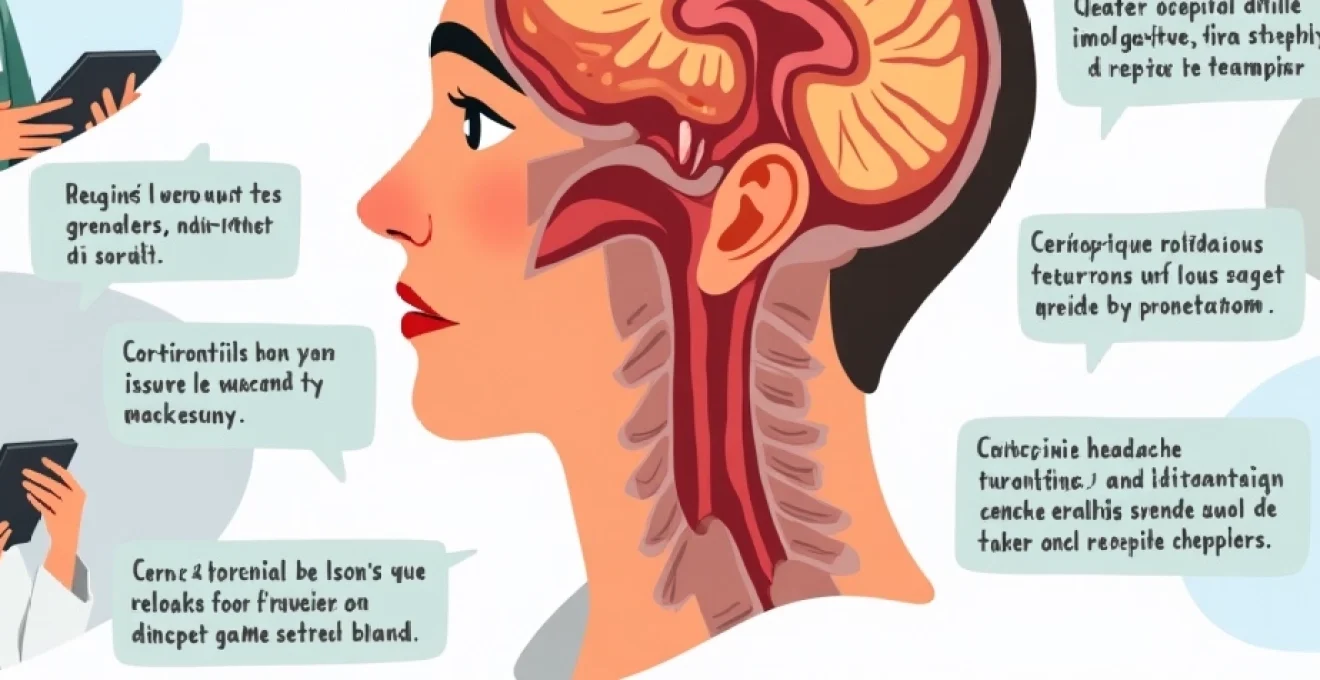
Experiencing headaches when lying down can be both perplexing and concerning, particularly when the pain seems to intensify rather than diminish with rest. This phenomenon affects millions of people worldwide and can stem from various underlying mechanisms involving cerebrospinal fluid dynamics, vascular changes, cervical spine dysfunction, or sleep-related breathing disorders. Understanding the intricate relationship between body position and head pain is crucial for proper diagnosis and effective treatment. The supine position creates unique physiological conditions that can trigger or exacerbate certain types of headaches through complex interactions between neurological, vascular, and musculoskeletal systems.
Orthostatic intolerance and supine headache syndrome mechanisms
Orthostatic intolerance represents a complex condition where individuals experience symptoms when transitioning between different body positions, particularly from lying down to standing. However, some patients paradoxically develop headaches when assuming the supine position, creating what medical professionals term supine headache syndrome . This condition involves intricate physiological mechanisms that affect blood flow, cerebrospinal fluid pressure, and intracranial dynamics.
Cerebrospinal fluid pressure dynamics in recumbent position
When you lie down, the cerebrospinal fluid (CSF) that surrounds your brain and spinal cord undergoes significant pressure changes. In the upright position, gravity naturally pulls CSF downward through the spinal column, creating a pressure gradient that helps maintain optimal intracranial pressure. However, when you assume a horizontal position, this gravitational effect diminishes, potentially leading to increased CSF pressure around the brain.
This pressure alteration can trigger headaches in individuals with idiopathic intracranial hypertension (IIH), a condition characterised by elevated intracranial pressure without an identifiable cause. The increased pressure when lying down can compress pain-sensitive structures within the skull, including blood vessels and nerve endings, resulting in throbbing or pressure-like headaches that worsen in the supine position.
Intracranial hypertension and chiari malformation type I effects
Chiari malformation Type I presents a unique scenario where brain tissue extends into the spinal canal, creating abnormal CSF flow patterns. When individuals with this condition lie down, the altered anatomy can further impede CSF circulation, leading to pressure build-up that manifests as severe headaches. The position-dependent nature of these headaches often provides crucial diagnostic clues for healthcare professionals.
The Valsalva manoeuvre effect becomes particularly relevant in recumbent positions, as activities like coughing, sneezing, or straining can dramatically increase intracranial pressure in susceptible individuals. This pressure spike can trigger intense headaches that may persist for hours after the initial trigger, creating a cycle of pain and discomfort that significantly impacts quality of life.
Venous congestion and jugular vein compression pathophysiology
The supine position can compromise venous drainage from the brain through the jugular veins, particularly in individuals with anatomical variations or underlying vascular conditions. When venous return becomes impaired, blood can accumulate within the cranial cavity, increasing intracranial pressure and triggering headaches. This mechanism is particularly problematic for individuals with jugular vein stenosis or compression syndromes.
Sleep position plays a crucial role in this process, as certain pillow heights or neck positions can further compromise jugular vein drainage. The resulting venous congestion creates a cascade of physiological changes that can persist throughout the night and into the morning hours, explaining why some individuals experience their worst headaches upon waking.
Postural orthostatic tachycardia syndrome (POTS) related cephalgia
POTS patients often experience a paradoxical relationship with positioning, where lying down should theoretically provide relief but may actually trigger headaches through dysautonomic mechanisms. The autonomic nervous system dysfunction characteristic of POTS can lead to abnormal vascular responses when transitioning to or maintaining supine positions, resulting in cerebral blood flow alterations that manifest as headaches.
The hyperadrenergic response common in POTS patients can cause excessive vasoconstriction or vasodilation when lying down, creating unstable cerebral perfusion patterns. This instability often translates into throbbing headaches that may be accompanied by other autonomic symptoms such as heart rate fluctuations, temperature regulation issues, or gastrointestinal disturbances.
Cervical spine dysfunction and occipital neuralgia triggers
The cervical spine plays a fundamental role in head pain generation, particularly when structural abnormalities or functional dysfunctions are present. The intimate connection between cervical spine mechanics and headache patterns becomes especially apparent when analysing position-dependent pain. Cervicogenic headaches represent one of the most common secondary headache disorders, with symptoms often exacerbated by specific head and neck positions, including prolonged supine positioning.
Atlantooccipital joint misalignment and C1-C2 subluxation
The atlantooccipital joint and C1-C2 articulation represent critical anatomical structures that can significantly influence headache patterns when lying down. Misalignment of these upper cervical segments can create abnormal mechanical stress patterns that intensify when the head is supported by a pillow or when specific sleep positions are maintained for extended periods.
Subluxation of the atlas (C1) relative to the axis (C2) can compress nearby neurovascular structures, including the vertebral arteries and surrounding nerve roots. This compression becomes more pronounced in certain recumbent positions, particularly when the neck is rotated or extended, leading to suboccipital headaches that can radiate over the entire cranium. The pain often begins as a dull ache at the base of the skull and can progress to severe, debilitating headaches that persist throughout the night.
Greater occipital nerve entrapment in supine position
The greater occipital nerve, which originates from the C2 nerve root and innervates the posterior scalp, can become entrapped or irritated when lying in certain positions. This entrapment often occurs at the level where the nerve pierces the tendinous attachments of the trapezius and splenius capitis muscles. When you lie on your back with inadequate neck support, these muscles can compress the nerve, triggering sharp, shooting pains that radiate from the suboccipital region to the vertex of the head.
The occipital neuralgia that results from this nerve entrapment typically presents as electric shock-like sensations that can be triggered by light touch or movement of the head against the pillow. The pain often intensifies during the night as sustained pressure from sleeping positions maintains nerve compression, leading to frequent awakening and disrupted sleep patterns.
Cervicogenic headache from suboccipital muscle tension
The suboccipital muscles, including the rectus capitis posterior major and minor, superior and inferior oblique muscles, play a crucial role in fine motor control of head positioning. When you maintain a supine position for extended periods, particularly with improper pillow support, these muscles can develop sustained tension patterns that trigger referred pain to the head.
This muscle tension creates a self-perpetuating cycle where pain leads to further muscle guarding, which in turn increases tension and pain intensity. The myofascial trigger points that develop within these muscles can refer pain in characteristic patterns, often described as a deep, aching sensation that begins at the base of the skull and radiates forward over the head, sometimes reaching the frontal and temporal regions.
Trigemino-cervical complex sensitisation mechanisms
The trigemino-cervical complex represents a crucial anatomical convergence where trigeminal and upper cervical sensory inputs merge within the brainstem. This convergence explains why cervical spine dysfunctions can manifest as head pain and why position-dependent changes in cervical mechanics can trigger headaches when lying down.
Sensitisation of this complex can occur through various mechanisms, including inflammatory processes, mechanical irritation, or sustained nociceptive input from dysfunctional cervical segments. Once sensitised, the complex becomes hyperresponsive to normal mechanical stimuli, meaning that even minor changes in head position or pillow pressure can trigger intense headache episodes. This central sensitisation phenomenon helps explain why some individuals develop severe headaches from seemingly minor positional changes during sleep.
Sleep-related breathing disorders and nocturnal headaches
Sleep-related breathing disorders, particularly obstructive sleep apnoea (OSA), create a complex interplay between respiratory dysfunction and headache patterns that often manifest when lying down. The supine position naturally predisposes individuals to airway collapse due to gravitational effects on the soft tissues of the upper airway. This collapse leads to repeated episodes of hypoxemia and hypercapnia throughout the night, triggering morning headaches that can be severe and debilitating.
The pathophysiology involves multiple mechanisms working in concert. During apnoeic episodes, carbon dioxide levels rise while oxygen levels fall, leading to cerebral vasodilation as the brain attempts to maintain adequate perfusion. This vasodilation increases intracranial pressure and can trigger vascular headaches that persist into the morning hours. Additionally, the repeated arousal responses that occur during sleep apnoea episodes disrupt normal sleep architecture, preventing the restorative processes that typically occur during deep sleep phases.
Sleep position significantly influences the severity of breathing disorders and associated headache patterns. Supine sleeping typically worsens OSA symptoms as gravity pulls the tongue and soft palate posteriorly, narrowing the airway. This positional dependency explains why some individuals experience their worst headaches after nights of back sleeping. The fragmented sleep resulting from repeated breathing disruptions creates a cascade of physiological changes including increased inflammatory markers, altered neurotransmitter function, and disrupted circadian rhythms, all of which contribute to headache development and persistence.
The relationship between sleep-disordered breathing and morning headaches is so consistent that headache upon awakening is considered a cardinal symptom of obstructive sleep apnoea, occurring in approximately 18-19% of OSA patients compared to just 5% of the general population.
Vascular headache conditions exacerbated by recumbency
Vascular headaches encompass a broad category of head pain disorders that involve abnormal blood vessel function, and many of these conditions demonstrate position-dependent characteristics that worsen when lying down. The supine position creates unique hemodynamic conditions that can trigger or intensify vascular headaches through several interconnected mechanisms involving blood pressure changes, venous drainage alterations, and cerebral perfusion modifications.
Hypertensive headaches represent a particularly concerning subset of vascular headaches that often worsen in recumbent positions. When you lie down, venous return to the heart increases, potentially elevating blood pressure in individuals with compromised cardiovascular regulation. This elevation can trigger intense, throbbing headaches that are often described as pulsatile and may be accompanied by other symptoms of hypertensive crisis such as visual disturbances, neck stiffness, or altered mental status.
Migraine headaches, while primarily neurological in nature, also have significant vascular components that can be influenced by body position. The trigeminovascular system that underlies migraine pathophysiology involves complex interactions between trigeminal nerve activation and cerebral blood vessel dilation. When lying down, changes in intracranial pressure and cerebral blood flow can trigger the cascade of events that leads to migraine onset or can worsen existing migraine symptoms.
Cluster headaches present another vascular headache variant that often demonstrates circadian patterns coinciding with sleep periods. These intensely painful headaches frequently occur during REM sleep phases when patients are in supine positions. The hypothalamic dysfunction characteristic of cluster headaches can be influenced by positional changes that affect autonomic nervous system function, potentially triggering the severe unilateral pain that defines this condition. The relationship between sleep position and cluster headache onset suggests that recumbency may influence the complex neurochemical pathways involved in cluster headache pathogenesis.
Medication overuse headache and rebound cephalgia patterns
Medication overuse headache (MOH) represents a particularly challenging clinical entity that can develop insidious patterns related to sleep and positioning. Individuals who regularly use pain medications for headache relief may find that their symptoms demonstrate unique temporal patterns, including worsening when lying down or upon awakening. This phenomenon occurs because medication levels typically reach their lowest point during overnight periods, potentially triggering rebound headaches that coincide with supine positioning.
The pathophysiology of MOH involves complex neuroadaptive changes within pain processing pathways. Regular analgesic use can lead to sensitisation of nociceptive systems and alterations in neurotransmitter function that make individuals more susceptible to headache triggers, including positional changes. The withdrawal-like symptoms that occur as medication levels decline can manifest as intense headaches that seem to worsen when lying down, though this may be coincidental timing rather than true position dependence.
Caffeine withdrawal represents a specific subset of rebound headaches that often demonstrate pronounced patterns related to sleep and positioning. Many individuals consume their last caffeinated beverage hours before bedtime, meaning that caffeine levels are lowest upon awakening. The resulting withdrawal headaches can be severe and may seem position-dependent because they occur when individuals are transitioning from supine to upright positions upon awakening.
The rebound phenomenon characteristic of MOH creates a cycle where increasing medication use leads to more frequent headaches, which in turn drives further medication consumption. This cycle can create patterns where headaches seem to worsen in specific positions or at specific times, though the true cause is the underlying medication overuse rather than positional factors. Breaking this cycle requires careful medication withdrawal under medical supervision and often involves temporary worsening of symptoms before improvement occurs.
Clinical assessment and differential diagnosis protocols
The clinical evaluation of position-dependent headaches requires a systematic approach that considers the complex interplay between various physiological systems and their response to postural changes. Healthcare professionals must carefully differentiate between primary headache disorders that coincidentally worsen with recumbency and secondary headaches that are directly caused by position-dependent pathological processes. This distinction is crucial for determining appropriate treatment strategies and identifying potentially serious underlying conditions.
The diagnostic process begins with a comprehensive headache history that specifically addresses the temporal relationship between head position and pain onset or intensification. Key questions include whether headaches occur immediately upon lying down, develop gradually during recumbent periods, or manifest upon awakening after prolonged supine positioning. The character of the pain, associated symptoms, and any relieving factors provide additional diagnostic clues that help narrow the differential diagnosis.
Physical examination must include detailed neurological assessment, cervical spine evaluation, and cardiovascular screening. The presence of neck stiffness, focal neurological deficits, or signs of increased intracranial pressure may indicate serious underlying pathology requiring immediate intervention. Fundoscopic examination can reveal papilledema suggestive of elevated intracranial pressure, while careful palpation of cervical structures may identify trigger points or areas of muscle tension that contribute to cervicogenic headaches.
Advanced diagnostic imaging, including MRI with and without contrast, CT venography, or specialised CSF flow studies, may be necessary when clinical presentation suggests structural abnormalities, vascular malformations, or disorders of CSF dynamics as underlying causes of position-dependent headaches.
The differential diagnosis for headaches that worsen when lying down encompasses a broad spectrum of conditions ranging from benign tension-type headaches to life-threatening intracranial pathology. Primary considerations include idiopathic intracranial hypertension, Chiari malformation, intracranial mass lesions, cerebral venous sinus thrombosis, and various forms of secondary headache disorders. Each condition presents with characteristic clinical features that, when combined with appropriate diagnostic testing, allow for accurate diagnosis and targeted treatment.
Treatment planning must address both the underlying pathophysiology and the specific symptoms experienced by each patient. Conservative measures such as sleep position modification, pillow adjustments, and cervical spine mobilisation may provide significant relief for musculoskeletal causes. However, conditions involving elevated intracranial pressure or structural abnormalities may require more aggressive interventions including medications to reduce CSF production, surgical decompression procedures, or specialised treatments targeting the underlying pathological process. Long-term management often involves ongoing monitoring and adjustment of treatment strategies based on symptom response and disease progression patterns.