Pathologies and treatments
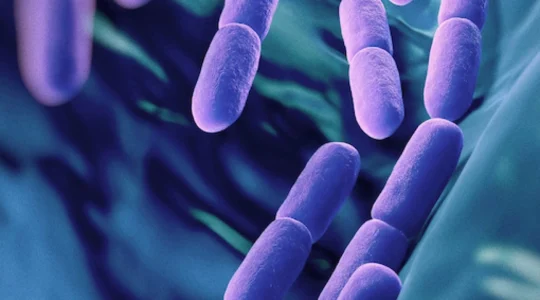
Rebalance your immunity with the power of probiotics
The intricate dance between our immune system and the trillions of microorganisms residing in our gut has become a focal point of modern health research. As we uncover the profound impact of the gut microbiome on our overall well-being, probiotics…
Lire la suite
From Lab to Clinic: Advancing Aptamer-Based Therapeutics
Unraveling the mysteries of medical science often feels like an arduous journey from a concept’s inception in a laboratory to its eventual implementation in a clinical setting. This journey is especially true for the field of aptamer-based therapeutics, an area…
Lire la suiteHomeopathy: a therapeutic alternative to explore
More and more people are now using unconventional medicines to treat themselves. Homeopathy is one of these alternative therapeutic procedures to which suffering people can turn. In fact, it is very popular all over the world. Homeopathy: what exactly does…
Lire la suiteHow can shoulder pain be reduced after laparoscopy?
Laparoscopy, also called laparoscopy, is a closed-belly surgery in which a surgeon uses a camera, such as a laparoscope, to examine the inside of the abdomen. The surgeon may also use specific instruments to test or treat certain gynaecological conditions….
Lire la suiteNatural Treatments for Guttate Psoriasis
Psoriasis affects more than 100,000 French people a year. It is a chronic skin disease characterized by the appearance of inflammation in various parts of the body. Gout psoriasis manifests itself as circular red spots on the arms, legs, torso,…
Lire la suiteWhat are the symptoms of Crohn’s disease?
The human digestive tract can be affected by a variety of diseases. Some are benign and some are serious. Crohn’s disease is one of these diseases and it is included in the list of chronic diseases of the digestive tract….
Lire la suiteGinseng: benefits of this root
Red or white, ginseng is a root that has proven itself for millennia. A highly prized product in phytotherapy, this root has many virtues that undeniably make its success. Aphrodisiac, fortifying, relaxing, improves the immune system, boosts physical and intellectual…
Lire la suite